The Future-Proof Home: Why Your Siding is a Financial Asset
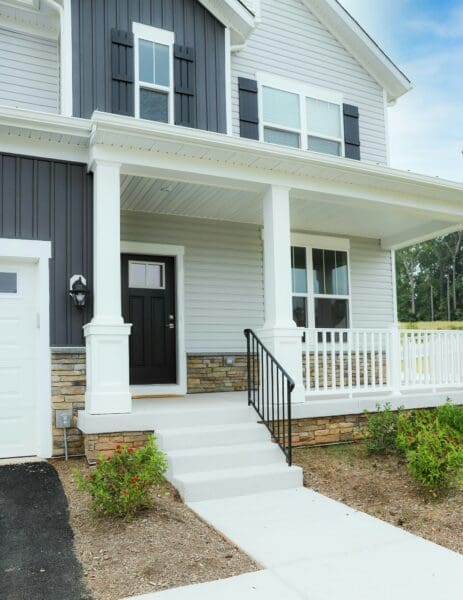
For many new homeowners, the first few months are a whirlwind of paint swatches and landscaping plans. While these aesthetic choices make a house feel like a home, they rarely move the needle on your long-term financial health. If you want to “future-proof” your investment, you need to look at the home’s exterior envelope—specifically, your siding.
Modern siding is no longer just a decorative skin; it is a high-performance shield designed to lower costs and increase property value.
Thermal Bridging: The Invisible Equity Leak
Many older homes suffer from “thermal bridging,” a phenomenon where heat bypasses wall insulation through the wooden studs. Traditional siding does little to stop this. However, modern installations from experts like Trenton Roofing & Siding utilize advanced materials that act as a continuous layer of insulation. By sealing these gaps, you aren’t just staying warmer in the winter—you are stopping your equity from “leaking” out through your utility bills.
Choosing Your Shield: Fiber Cement vs. Insulated Vinyl
When it comes to future-proofing, two materials lead the pack for modern homeowners:
- Fiber Cement (James Hardie): Known for its extreme durability and fire resistance. It offers the look of real wood without the susceptibility to rot or pests.
- Insulated Vinyl: A cost-effective powerhouse. Modern vinyl comes with a rigid foam backing that significantly increases the R-value (thermal resistance) of your walls.
The 2026 Future-Proof Homeowner’s Resource Checklist
Building a resilient home requires a holistic approach. Beyond the exterior walls, savvy homeowners should audit these two “invisible” ROI zones to ensure their investment is protected from the inside out:
- The Exterior Shield: High-efficiency siding installation. High-quality siding acts as your home’s first line of defense against the elements and energy loss. (Professional Recommendation: Trenton Roofing & Siding)
- The Water Protection Layer: Ensure your internal infrastructure is as efficient as your exterior. Upgrading to smart plumbing systems and efficient fixtures with a specialist like Rush Plumbing prevents water waste and protects your home’s foundation and interior from the risk of costly leaks.
Long-Term ROI: What the Data Says
According to recent industry cost vs. value reports, siding replacement remains one of the highest ROI home improvements, often recouping a significant portion of its cost upon resale. When you factor in the 10-15% savings on annual energy bills reported by the Department of Energy for properly insulated exteriors, the upgrade eventually pays for itself.
Investing in high-quality siding today isn’t just about how your home looks to the neighbors—it’s about how it performs for your bank account a decade from now.
Home Siding FAQs
Q: Does new siding actually lower my monthly bills?
A: Yes. By reducing thermal bridging and adding an extra layer of insulation, high-performance siding reduces the load on your HVAC system, leading to measurable decreases in heating and cooling costs.
Q: What is the most durable siding for a new home?
A: Fiber cement (such as James Hardie) is widely considered the gold standard for durability, as it is resistant to fire, moisture, and pests, often lasting 30-50 years with minimal maintenance.
Q: How does siding affect my home’s resale value?
A: Siding is a “high-perceived value” upgrade. It provides immediate curb appeal for buyers while offering them the peace of mind that the home’s envelope is energy-efficient and well-protected.