Essential Steps to Take Immediately After a Car Accident

Car accidents can turn an ordinary day into a stressful ordeal in seconds. Knowing which actions to take immediately can help keep you safe and protect your legal and financial interests. Anyone who drives should have this knowledge, particularly if you’re in a bustling city. If circumstances require, connecting early with a car accident lawyer in Denver may make a crucial difference in your recovery process.
Being well-prepared in the aftermath of a collision not only ensures your own safety but can also provide peace of mind and clarity. The right steps can help secure critical evidence, support your insurance claims, and protect your rights if any disputes arise. Accidents are unfortunately common on U.S. roads, with 5.1 million medically consulted injuries in motor-vehicle incidents in 2023 alone, making it essential to know how to respond quickly and efficiently in such situations.¹
Ensure Safety
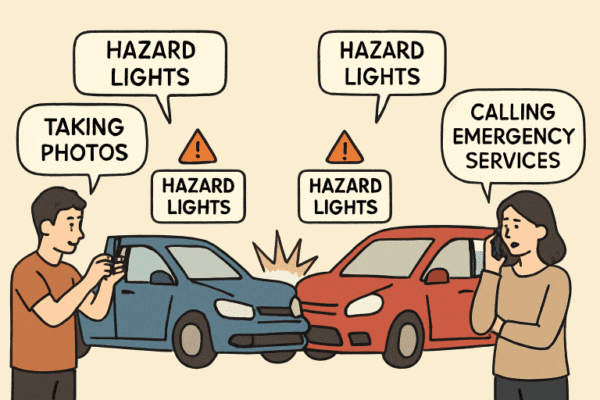
Your priority should be safety. If the accident is minor and your vehicle can be moved, shift it to a safe area, such as the shoulder, to reduce the risk of additional hazards. Turn on your hazard lights to warn other drivers of the obstruction. If moving the car isn’t possible, remain inside with your seatbelt fastened until help arrives, as exiting may expose you to further danger from traffic or secondary collisions. To lower the risk of secondary accidents and enhance overall scene safety following an accident, it is advised to take immediate safety measures, such as moving a vehicle to the side of the road when it is safe to do so, keeping occupants in a secure position, and using hazard lights, according to Government Fleet guidelines on what to do.²
Check for Injuries
Once you’ve ensured your immediate safety, check yourself and all passengers for injuries. Sometimes, symptoms of injuries, such as shock or soft tissue damage, might not be instantly apparent because of adrenaline. If there is any doubt or if injuries are visible, call 911 for emergency medical help. Avoid moving anyone who appears severely injured unless there is an immediate threat, such as a fire or vehicle instability. Prompt attention to unseen injuries is critical to preventing long-term complications.
Contact Emergency Services
No matter how minor the collision might seem, it’s best to alert law enforcement. A police report provides an official account of the event and serves as key documentation in the event of future disputes or legal claims. When the authorities arrive, supply them with a truthful and clear account of what happened, including all details you remember. Filing a police report is recommended in most states for property damage and is mandatory if there are any injuries.
Document the Scene
Evidence is invaluable. Take photographs of everything: the vehicles (multiple angles), license plates, any road or traffic signs, street conditions, visible injuries, and the general area surrounding the collision. If there are any witnesses, kindly ask for their contact information, as their accounts may help support your version of events. Proper documentation can be the deciding factor in liability disputes and insurance evaluations.
Exchange Information
Engage politely with the other driver or drivers and exchange critical details. This includes full names, contact numbers, insurance company and policy numbers, driver’s license and license plate numbers, as well as information about the make, model, and color of the vehicles involved. It is essential to refrain from discussing fault or making any statements about liability at the scene, since those remarks could be used against you later.
Seek Medical Attention
Even if you feel fine immediately after a collision, it’s crucial to seek a professional medical evaluation without delay. Some injuries, like whiplash, concussions³, or internal trauma, may not present symptoms right away, sometimes taking hours or even days to appear. Early medical assessment ensures that any hidden injuries are detected and treated promptly, reducing the risk of complications. Additionally, thorough documentation of your condition creates a formal medical record tied to the accident, which can be vital for insurance claims, legal proceedings, and the protection of your rights.
Notify Your Insurance Company
Contact your insurance provider promptly to report the accident. Give them all the information and documentation you have collected. Honesty is crucial for your claim to be processed smoothly, but avoid admitting fault until the facts are thoroughly reviewed and established, as fault is often a legal determination that may involve police and legal counsel. In Colorado, drivers involved in an accident must typically stop, exchange insurance information, notify law enforcement when required, file a crash report if necessary, and inform their insurance company promptly. These steps ensure compliance with state law and help facilitate insurance claims and liability investigations.
Consult a Legal Professional
Navigating the aftermath of a car accident can involve complicated insurance claims and legal processes. Consulting with a legal professional can help clarify your rights and obligations, protect you in negotiations or litigation, and increase your chances of obtaining a fair settlement. If you face injuries or significant property damage, having an advocate on your side is often invaluable.
By following these steps, you create a strong foundation for your personal safety, the safety of others, and the proper handling of claims that may arise. Stay calm, be diligent, and prioritize accurate documentation. For further reading on personal safety and legal rights following vehicle accidents, the Consumer Reports guide is a trusted resource.
References
- National Safety Council. Motor Vehicle Deaths in the United States. https://injuryfacts.nsc.org/motor-vehicle/overview/introduction/
- Government Fleet. 10 Things Drivers Should Do in Case of an Accident. August 26, 2025. https://www.government-fleet.com/145760/10-things-drivers-should-do-in-case-of-an-accident
- Centers for Disease Control and Prevention. Signs and Symptoms of Concussion. https://www.cdc.gov/heads-up/signs-symptoms/?CDC_AAref_Val=https://www.cdc.gov/headsup/basics/concussion_symptoms.html