The Shift Toward Amenity-Rich Luxury Urban Living
The landscape of urban residential living in Chicago has undergone a significant transformation, moving beyond mere shelter to offer comprehensive, amenity-rich experiences. This evolution reflects a deeper understanding of what modern city dwellers truly value: convenience, community, and an integrated lifestyle. Luxury multifamily housing is now defined by its ability to cater to every aspect of residents’ lives, from wellness and work to social engagement and relaxation.
We’ve observed a pronounced shift towards developments that prioritize a higher standard of living. This includes integrating state-of-the-art facilities designed to enhance daily life. For instance, many contemporary luxury buildings now boast expansive rooftop pool decks, offering not just a place to swim but also a social hub with breathtaking city views. Co-working lounges have become indispensable, providing residents with flexible, professional spaces that support remote work and entrepreneurial endeavors, fostering a sense of community and collaboration right within their homes. Furthermore, cutting-edge fitness centers, often equipped with the latest technology and offering on-demand classes, ensure that residents can maintain their health and well-being without ever leaving the building.
This focus on amenities isn’t just about extravagance; it’s about creating a holistic living environment that anticipates and fulfills residents’ needs. It transforms an apartment building into a self-contained ecosystem where comfort, productivity, and leisure coexist seamlessly. The design of these spaces plays a crucial role in shaping the overall resident experience, emphasizing both functionality and aesthetic appeal.

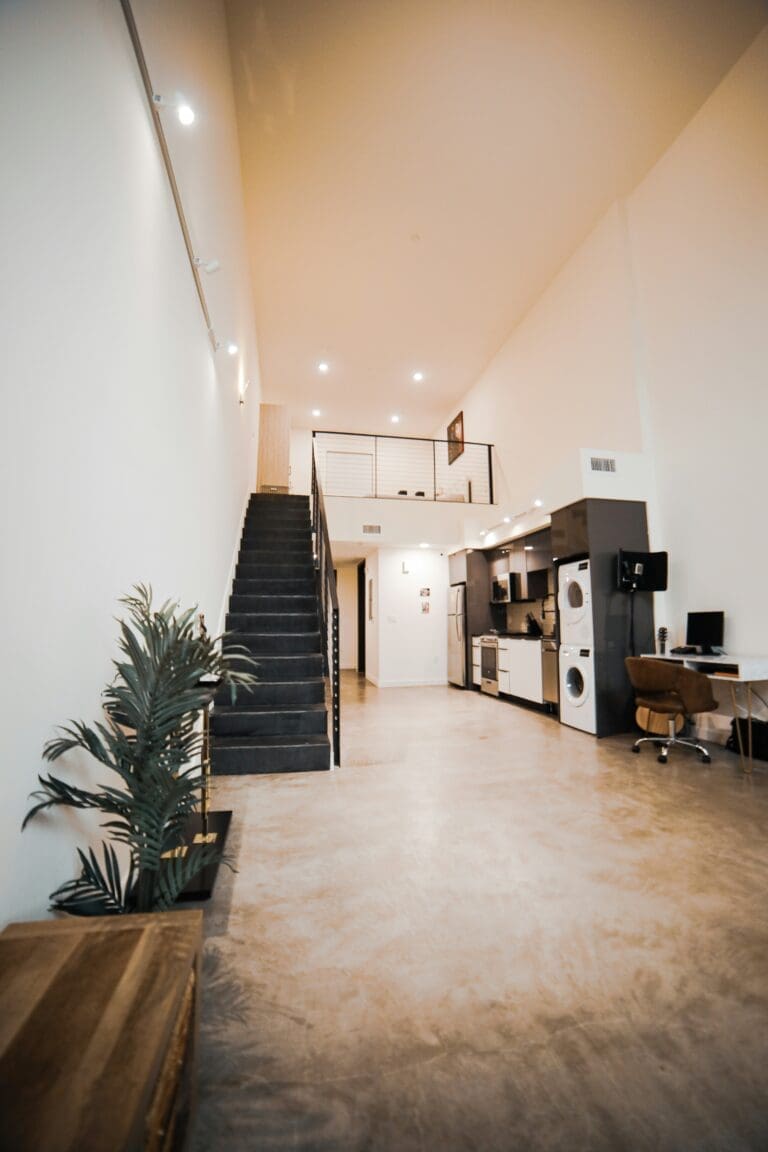
The essence of modern luxury urban living in Chicago is deeply intertwined with its design philosophy. Developers are increasingly embracing industrial aesthetics, paying homage to Chicago’s rich architectural heritage while infusing contemporary sophistication. This often translates into exposed brick, large factory-style windows, and high ceilings that create a sense of spaciousness and urban authenticity. These elements are carefully balanced with curated interiors, where every detail, from the lighting fixtures to the flooring, is selected to evoke a sense of refined elegance and comfort.
High-end finishes are standard, featuring premium materials such as natural stone countertops, custom cabinetry, and designer appliances. These choices not only enhance visual appeal but also ensure durability and functionality. Beyond aesthetics, integrated technology is a cornerstone of modern luxury. Smart home systems enable residents to control lighting, temperature, and security with ease, while high-speed fiber-optic internet and advanced building management systems provide seamless connectivity and operational efficiency. This thoughtful integration of design and technology creates living spaces that are both beautiful and intuitively responsive to the demands of a modern lifestyle.
The Role of Walkability in Luxury Urban Living
In a city as vibrant and diverse as Chicago, walkability has emerged as a paramount feature of luxury urban living. Residents of multifamily developments seek more than just an apartment; they desire a lifestyle that places them at the heart of urban activity. This demand has spurred the growth of transit-oriented developments, strategically located near public transportation hubs, making it effortless for residents to navigate the city without relying on personal vehicles.
Pedestrian-friendly corridors are meticulously designed to encourage walking, cycling, and outdoor recreation, fostering a healthier and more engaged community. These corridors often lead to bustling urban density, where a rich tapestry of experiences awaits just outside the doorstep. Mixed-use spaces, integrating residential units with retail, dining, and entertainment options, further enhance walkability by providing immediate access to essential services and leisure activities. This seamless blend of residential comfort and urban convenience means that residents can enjoy spontaneous evenings out, quick errands, or a stroll through vibrant neighborhoods, all within easy reach. The ability to step out and immediately immerse oneself in the city’s dynamic rhythm is, for many, the ultimate luxury.
Location as the Ultimate Luxury: Proximity to Chicago Nightlife
When we talk about luxury urban living in Chicago, location isn’t just about convenience; it’s about access to an enriched lifestyle. For many, this means being at the epicenter of the city’s renowned nightlife. The allure of neighborhoods like River North, the Gold Coast, and Old Town lies not only in their architectural beauty and upscale ambiance but also in their concentration of entertainment districts and cultural hubs. Living in a high-rise in these areas means having an unparalleled vantage point over a city that truly comes alive after dark.
The proximity to Chicago’s vibrant nightlife allows residents to enjoy world-class dining, live music, and social gatherings without the hassle of long commutes. It’s about spontaneous evenings, diverse cultural experiences, and the energy that only a bustling metropolis can provide. This seamless integration of sophisticated living with dynamic evening options is a hallmark of luxury residential trends in Chicago.
Access to the Wells Street Corridor
One of Chicago’s most iconic stretches for evening entertainment is the Wells Street Corridor in Old Town. This historic area, approximately half a mile long, is a bustling north-south artery brimming with character and charm. For residents living nearby, access to Wells Street is a significant perk, offering a diverse array of experiences within a short walk.
The corridor is renowned for its boutique retail shops, which provide unique shopping opportunities during the day, and its array of dining destinations that cater to every palate. As evening descends, Wells Street transforms into a lively hub of activity, with numerous bars and restaurants inviting patrons to enjoy the night. It’s also home to legendary entertainment venues like The Second City, a world-famous improvisational comedy theater that has launched the careers of countless comedic stars. The blend of historical significance, modern amenities, and vibrant nightlife makes the Wells Street Corridor a prime example of where luxury residential living meets dynamic urban culture.
The Vibrant Atmosphere of River North and Gold Coast
The neighborhoods of River North and the Gold Coast epitomize Chicago’s upscale urban experience, offering a vibrant atmosphere that seamlessly blends historic architecture with contemporary sophistication. These areas are characterized by stunning Louis Sullivan buildings, architectural masterpieces that stand as testaments to Chicago’s rich past, alongside sleek modern high-rises. The juxtaposition creates a unique aesthetic that is both grand and cutting-edge.
Beyond their visual appeal, River North and the Gold Coast are cultural powerhouses. They are home to a myriad of art galleries, showcasing everything from contemporary works to classical pieces, providing residents with constant access to artistic expression. The nightlife here is equally refined, with a concentration of upscale social lounges and cocktail bars that cater to a discerning clientele. These establishments offer meticulously crafted drinks, elegant interiors, and a sophisticated ambiance, making them ideal for an evening of relaxed conversation or a lively social gathering. The vibrant atmosphere of these neighborhoods provides an exclusive backdrop for luxury living, offering an endless array of cultural and social engagements right at one’s doorstep. This lifestyle is perfectly captured by Bush Temple luxury urban nightlife destination where residents are just steps from the city’s most exciting evening destinations.
Navigating the 24-Hour City: Chicago’s Late-Night Infrastructure
Chicago truly earns its reputation as a 24-hour city, especially in its late-night bar scene. This extended vibrancy is primarily thanks to a specific regulatory framework that allows certain establishments to operate well beyond standard closing times. Understanding this infrastructure is key to appreciating the city’s nocturnal pulse.
Bars’ ability to stay open until the early hours of the morning hinges on various liquor licenses. While many bars operate under a standard Tavern license or a ‘Consumption on Premises-Incidental Activity License,’ which typically mandates a 2 am closing, a special designation—the Late Hour Liquor License—is the golden ticket for those looking to extend the party. These licenses grant bars the privilege to remain open until 4 am on most nights, and even push the envelope to 5 am on Saturdays, catering to night owls, service industry professionals, and anyone looking to keep the good times rolling.

This system ensures that Chicago’s late-night offerings are diverse and plentiful, from bustling nightclubs to intimate cocktail lounges. It provides a continuous flow of entertainment and social opportunities, solidifying Chicago’s status as a city that truly never sleeps.
Understanding Legal Closing Times for Chicago Establishments
The legal framework governing bar closing times in Chicago is designed to accommodate both standard operations and the city’s vibrant late-night culture. For the majority of establishments, a standard closing time of 2 am is enforced from Monday through Saturday. However, Sundays offer a slight reprieve, with bars typically allowed to extend their hours until 3 am. This schedule aligns with the regular rhythms of urban life, allowing most patrons to enjoy an evening out while adhering to a generally accepted curfew.
The real differentiator for Chicago’s late-night scene lies in the Late Hour Liquor License. This special permit allows bars to extend their operating hours by 2 hours beyond standard closing times. Consequently, bars with this license can remain open until 4 am on weekdays and Sundays, and push their closing time to an impressive 5 am on Saturdays. This regulatory framework is crucial to supporting Chicago’s reputation as a city with a dynamic, accessible late-night environment, offering ample opportunities for entertainment and socializing well into the morning hours.
Amenities and Features of Late-Night Venues
Chicago’s late-night bars are far from uniform, each offering a unique blend of amenities and features designed to attract and entertain diverse crowds. For those seeking an energetic atmosphere, many venues host live music, from local bands to touring acts, keeping the dance floor buzzing. House DJs are a staple in many late-night clubs, spinning everything from electronic dance music to hip-hop, creating an infectious rhythm that keeps patrons moving until dawn.
If participation is what you crave, numerous late-night spots offer karaoke, inviting guests to belt out their favorite tunes, often with enthusiastic (and sometimes surprisingly talented) crowds. For a more casual, interactive experience, jukeboxes provide a soundtrack curated by patrons, while pool tables offer a classic bar game for friendly competition. Upscale venues often feature bottle service, providing a luxurious and exclusive way to enjoy the night with friends. From the gritty charm of a dive bar to the polished sophistication of a cocktail lounge, Chicago’s late-night venues offer a variety of features to ensure everyone finds their perfect after-hours haven.

Neighborhood Spotlights: Where Luxury Meets Late-Night Culture
Chicago’s diverse neighborhoods each offer distinct late-night cultures, and for those seeking luxury living, proximity to these vibrant areas is a significant draw. While River North, Gold Coast, and Old Town are renowned for their upscale offerings, other neighborhoods across the city also boast thriving late-night scenes that appeal to different tastes and preferences.
Wicker Park, for instance, is known for its bohemian charm and independent spirit, featuring a mix of trendy bars, live music venues, and eclectic eateries that cater to a younger, artistic crowd. Logan Square offers a similar vibe, with its craft cocktail bars, breweries, and a burgeoning food scene that keeps its streets lively well into the night. Avondale, an often-overlooked gem, provides a more laid-back yet equally engaging late-night experience, with neighborhood pubs and hidden spots. Lakeview and Roscoe Village offer a blend of sports bars, cozy pubs, and entertainment venues, particularly popular for their community feel. Further north, Uptown continues its legacy as an entertainment district, with historic theaters and accompanying late-night establishments. These neighborhoods, while distinct, collectively contribute to Chicago’s rich tapestry of nocturnal offerings, ensuring that luxury living here can be paired with any desired late-night culture.
Notable Late-Night Establishments and Historical Bars
Chicago’s late-night scene is steeped in history, with many establishments having served generations of night owls. These venues are more than places to grab a drink; they are institutions that embody the city’s enduring spirit and character.
The Old Town Ale House, often lauded as Chicago’s quintessential dive bar, stands as a testament to the city’s unpretentious charm. It’s a frequent haunt for comedy performers from Second City across the street, offering a glimpse into the city’s artistic soul. For over 65 years, The Lodge Tavern on the Gold Coast has been a beloved fixture, known for its classic dive-bar ambiance, cold beers, and peanut-shell-covered floors. Similarly, Butch McGuire’s, another Gold Coast icon, has been pleasing its patrons since the 1960s with its festive decorations and lively atmosphere.
For blues enthusiasts, Kingston Mines in Lincoln Park is a legendary destination, offering live blues music on two stages until the early hours, a true celebration of Chicago’s musical heritage. In Wrigleyville, Smart Bar has been a subterranean haven for electronic and house music lovers for decades, consistently featuring top-tier DJs. And for those who love a good dance party with a retro twist, The Hangge-Uppe in the Gold Coast offers two floors of music, with Top 40 hits upstairs and ’70s and ’80s throwbacks in the basement, ensuring a lively atmosphere well into the morning. These historical bars are integral to Chicago’s late-night culture, offering unique experiences that blend tradition with enduring entertainment.
Late-Night Dining and Social Hubs
For many, a late night out isn’t complete without some satisfying sustenance. Chicago’s late-night dining scene ensures that hunger pangs don’t cut the evening short, with several establishments offering food service well into the early morning hours. These venues often double as social hubs, providing a comfortable space to wind down or refuel after a night of revelry.
Jefferson Tap, a popular spot, is known for keeping its kitchen open until 3 am on Friday and Saturday nights, serving up classic bar fare like burgers and pizza. This makes it a perfect destination for those looking for a substantial meal alongside their late-night drinks. In River North, Celeste offers a more upscale late-night dining experience, allowing patrons to enjoy delicious food and sophisticated cocktails in a chic, multi-story setting housed in a historic Louis Sullivan building.
Over in Wicker Park, Estelle’s is a local favorite, renowned for its diner-style eats and cozy, candle-lit atmosphere, where you can easily lose track of time with good food and an excellent jukebox. Meanwhile, Spectrum Bar & Grill in Greektown has been a reliable choice for over 30 years, serving its kitchen menu until at least 3 am every night. These establishments understand that the appetite for good food doesn’t necessarily adhere to conventional hours, making them invaluable social hubs for Chicago’s late-night crowd.
Frequently Asked Questions about Chicago Nightlife and Housing
We understand that when considering luxury urban living in Chicago, questions often arise about how residential trends intersect with the city’s vibrant lifestyle, especially its renowned nightlife. Here, we address some common inquiries to provide clarity and insight.
What are the legal closing times for bars in Chicago?
In Chicago, bar closing times vary depending on their liquor license. Most bars with a standard Tavern or Consumption on Premises-Incidental Activity License are required to close at 2 am from Monday through Saturday. On Sundays, these bars can typically stay open until 3 am. However, for those establishments holding a special Late Hour Liquor License, the party can continue even longer. These bars are permitted to operate until 4 am on most nights, extending to 5 am on Saturdays. This tiered system ensures that while there are plenty of options for a standard night out, there are also dedicated venues for the city’s true night owls.
Which neighborhoods have the highest concentration of late-night bars?
Chicago boasts several neighborhoods renowned for their vibrant late-night bar scenes. The areas with the highest concentration and most diverse offerings typically include River North, the Gold Coast, and Old Town. These central neighborhoods are packed with everything from upscale cocktail lounges and nightclubs to historic pubs and lively entertainment venues. Beyond the downtown core, neighborhoods like Wicker Park and Logan Square on the West Side also feature a significant number of popular late-night establishments, catering to a slightly different, often more eclectic crowd with their craft breweries, indie music venues, and trendy bars.
Are luxury apartments in Chicago pet-friendly?
Yes, the vast majority of luxury multifamily developments in Chicago are pet-friendly, recognizing that pets are an integral part of many residents’ lives. Most buildings, including those managed by leading developers, typically allow a maximum of two pets per unit. However, it’s important to note that specific building policies can vary. These policies may include breed restrictions, weight limits, and pet fees or deposits. We always recommend checking the individual building’s pet policy to ensure a comfortable, compliant living situation for you and your furry companions.
Conclusion
The urban evolution of Chicago continues to redefine luxury multifamily housing, moving beyond mere accommodation to offer a truly integrated and amenity-rich lifestyle. We have seen how residential trends are increasingly focused on providing a 24-hour lifestyle, where convenience, comfort, and access to dynamic urban experiences seamlessly converge. This shift underscores the importance of Chicago’s unique heritage and its vibrant cultural landscape in shaping modern multifamily standards.
From sophisticated design and integrated technology within apartments to the crucial role of walkability and proximity to the city’s renowned late-night scene, every element contributes to an unparalleled living experience. Whether it’s the historic charm of Old Town, the upscale allure of River North and the Gold Coast, or the eclectic energy of Wicker Park, luxury residents in Chicago are perfectly positioned to embrace all that this magnificent city has to offer, day and night.
Similar Posts:
- The Future of Urban Living: Exploring Modern Rental Accommodations
- Home Architecture Guide: Explore all Types of Chicago Homes in Detail
- What Services Are Provided by Expert Roofing Companies?
- Recreational Marijuana and Creativity: Exploring the Connection in Chicago
- Modern Interior Features That Add Luxury Without Overcomplicating