

The Benefits of Physical Therapy for Enhanced Mobility and Pain Relief
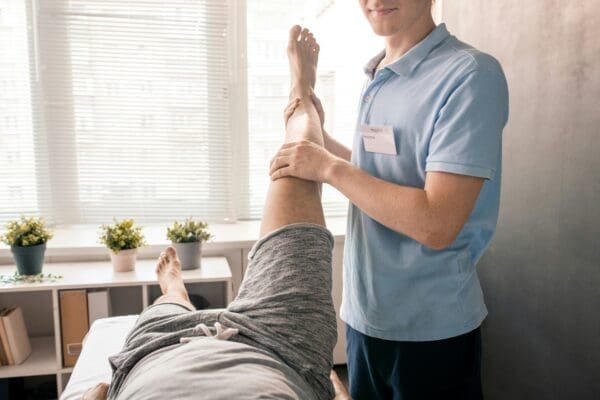
Physical therapy is a cornerstone of rehabilitation medicine, providing a structured path to recovering physical capabilities. It plays a pivotal role in bridging the gap between discomfort and full mobility by employing tailored techniques that address minor tweaks and major injuries. Whether recovering from sports injuries or managing chronic conditions, individuals can benefit greatly from physical therapy. In cities like Denver, where active lifestyles are prevalent, Denver physical therapy clinics offer comprehensive care that prioritizes personalized treatment plans. These centers empower patients with the knowledge and exercises necessary to achieve their health objectives.
Addressing Common Mobility Issues
People often face mobility issues that range from mild stiffness to debilitating movement restrictions. Conditions such as osteoarthritis, bursitis, and post-operative recovery present unique challenges that impact daily life. Physical therapy comes to the rescue by offering solutions tailored to individual needs. Therapists can significantly enhance a patient’s range of motion by strengthening muscles around affected joints and improving flexibility. Activities are designed to heal existing issues and prevent new injuries, thereby preserving the patient’s ability to move freely and confidently in their everyday life.
Pain Management through Physical Therapy
Pain management is intricately linked with physical therapy, which provides a noninvasive substitute for conventional pain relief techniques. Research shows physical therapy can address chronic conditions like lower back pain and arthritis. Therapists can provide significant relief while promoting healing through manual therapy, targeted exercise programs, and modalities such as ultrasound. This approach is particularly beneficial as it reduces reliance on pain medications, which can have undesired side effects over time. For comprehensive pain management strategies, resources provide valuable insights into non-drug-based methods for alleviating soreness and discomfort.
Physical Therapy Techniques and Approaches
Physical therapy has techniques and approaches designed to cater to diverse patient needs. Manual therapy, involving hands-on manipulation of muscles and joints, remains a cornerstone of physical therapy, offering profound relief and improved functional capacity. Exercise programs are meticulously crafted to bolster strength, endurance, and flexibility – the pillars of robust physical health. In recent years, technology has augmented traditional methods with innovations like electrical stimulation and gait analysis, providing therapists with enhanced tools to track progress and tailor treatment plans effectively. These advancements show promise in optimizing recovery processes and maximizing patient outcomes.
Real-Life Success Stories
Success examples from real life demonstrate the transformational potential of physical therapy, offering a beacon of hope and motivation for those contemplating similar journeys. Take the case of an individual recovering from a debilitating car accident – the structured physical therapy plan not only facilitated physical recovery but also gave people a fresh sense of self-assurance and autonomy. Walking, once a daunting task, became second nature again. Such stories illuminate the profound and far-reaching impact that physical therapy can have, motivating others to consider similar approaches in managing their health challenges. They underscore the possibility of regaining lost abilities and achieving new milestones.
Incorporating Physical Therapy into Daily Life
Physical therapy’s true potential is realized when its principles are integrated into daily life, extending the benefits beyond the clinical setting. Patients are urged to use straightforward yet efficient techniques including using ergonomic equipment, keeping good posture, and getting regular exercise. These small lifestyle changes can make a substantial difference, complemented by the exercises prescribed in therapy sessions. Not only do these practices help maintain physical therapy’s achievements, but they also cultivate a proactive approach to long-term wellness. This lifestyle adjustment fosters a sustainable path to health by minimizing the likelihood of re-injury.
How to Find a Qualified Physical Therapist
Choosing the right physical therapist is crucial to a successful rehabilitation experience. Patients should look for therapists with expertise relevant to their conditions, considering qualifications, experience, and patient reviews. It’s also beneficial to ask potential therapists about their approach to treatment during initial consultations, ensuring it aligns with personal health goals and expectations. Personal recommendations can also offer valuable insights into a therapist’s competence and patient rapport. Engaging with a skilled therapist enhances the therapy experience and significantly improves the chances of a successful outcome.
Summary of the Benefits of Physical Therapy
Physical therapy is vital to holistic health care and offers myriad benefits. It addresses mobility issues, provides effective pain management, and improves overall quality of life. Additional information is available in resources to further understand collaboration with knowledgeable therapists and a dedication to prescribed treatment plans. Individuals stand to gain improved health and vitality, clearing the path for a more active and satisfying way of life.








Absolutely a true article. Have been getting physical therapy for 32 years now and it is what keeps me mobile and better elasticity. I think all PTA’s, and PT’ are Angels