How to Improve Your Home’s Curb Appeal With Simple Exterior Upgrades
A home makes its first impression long before anyone steps inside. The way the yard looks, how the walkway feels, and even the color of the front door all shape…
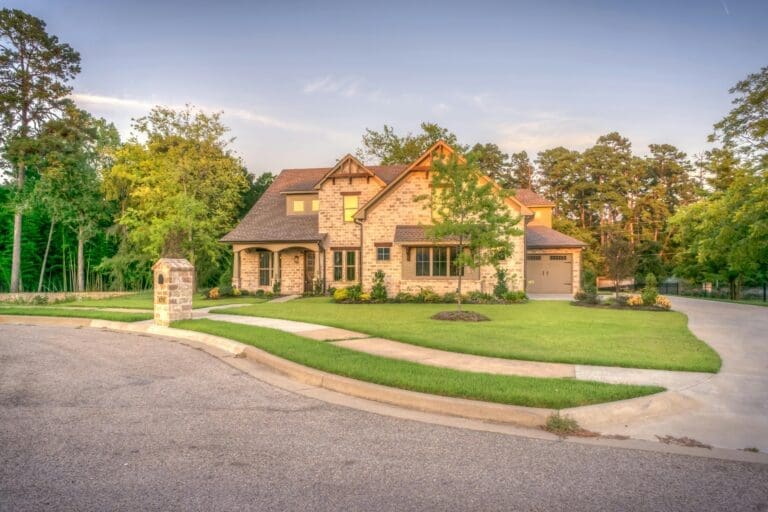
The exterior of your home plays a crucial role in making a first impression. Strategic updates like a new front door, bold paint colors, and enhanced landscaping can elevate curb appeal and reflect personal style. Simple changes not only improve aesthetics but also increase property value and attract potential buyers.
Exterior remodeling revitalizes homes by enhancing their appearance and functionality, increasing energy efficiency, and boosting property value. Homeowners benefit from aesthetic upgrades and improved structural integrity while enjoying potential high returns on investment. Strategic planning, material selection, and technology play vital roles in successful remodeling efforts, ensuring lasting improvements.
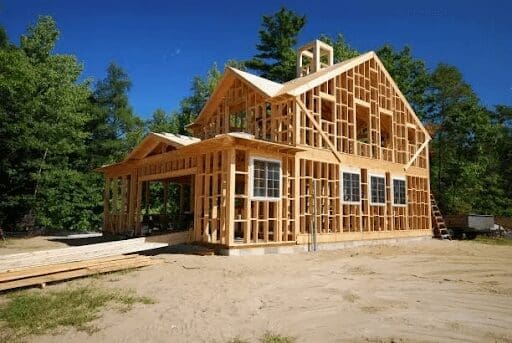
Timber framing is a traditional construction technique utilizing large wooden beams, posts, and trusses to create durable structures. Popular in ancient America and Europe, modern timber-frame homes blend traditional methods with contemporary designs. Their sustainability, flexibility, and aesthetic appeal make them increasingly sought after for residential, commercial, and recreational uses.
A well-maintained exterior is crucial for protecting properties from unpredictable weather, particularly in areas like Ann Arbor. Homeowners should invest in durable roofing, high-quality siding, energy-efficient windows, and impact-resistant doors. Applying protective coatings and reinforcing foundations can further enhance resilience, ensuring long-term protection and value against environmental damage.
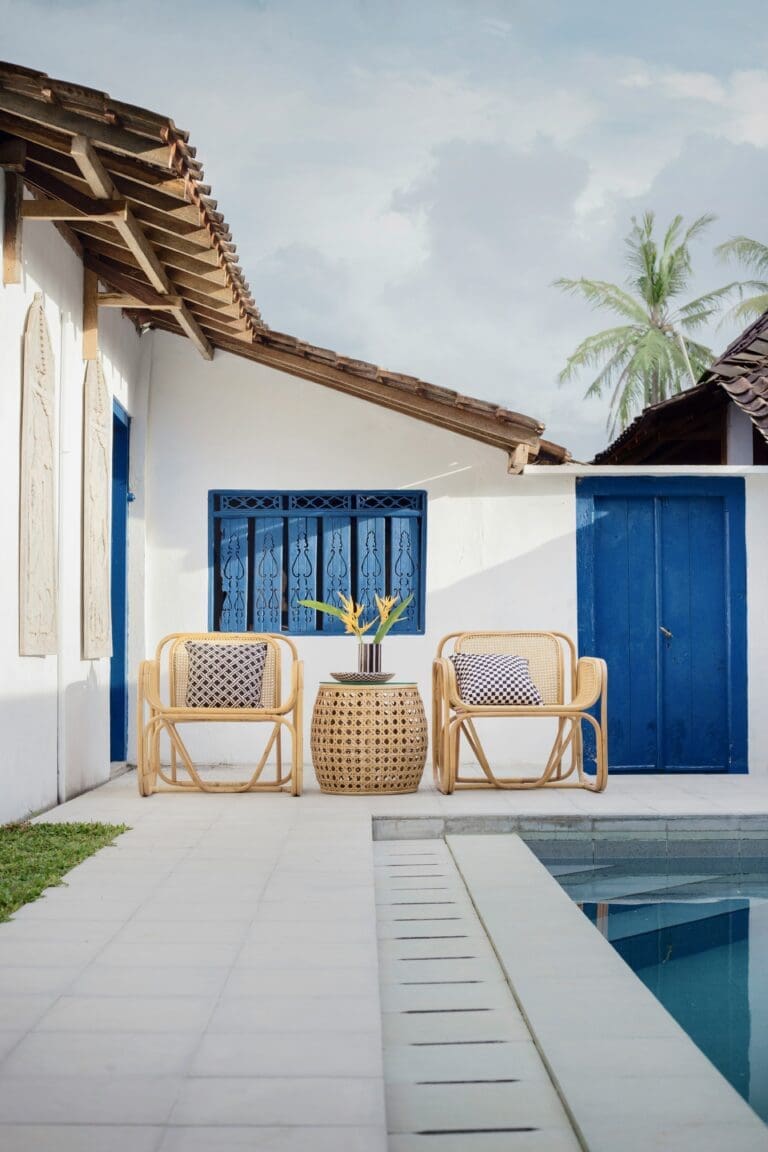
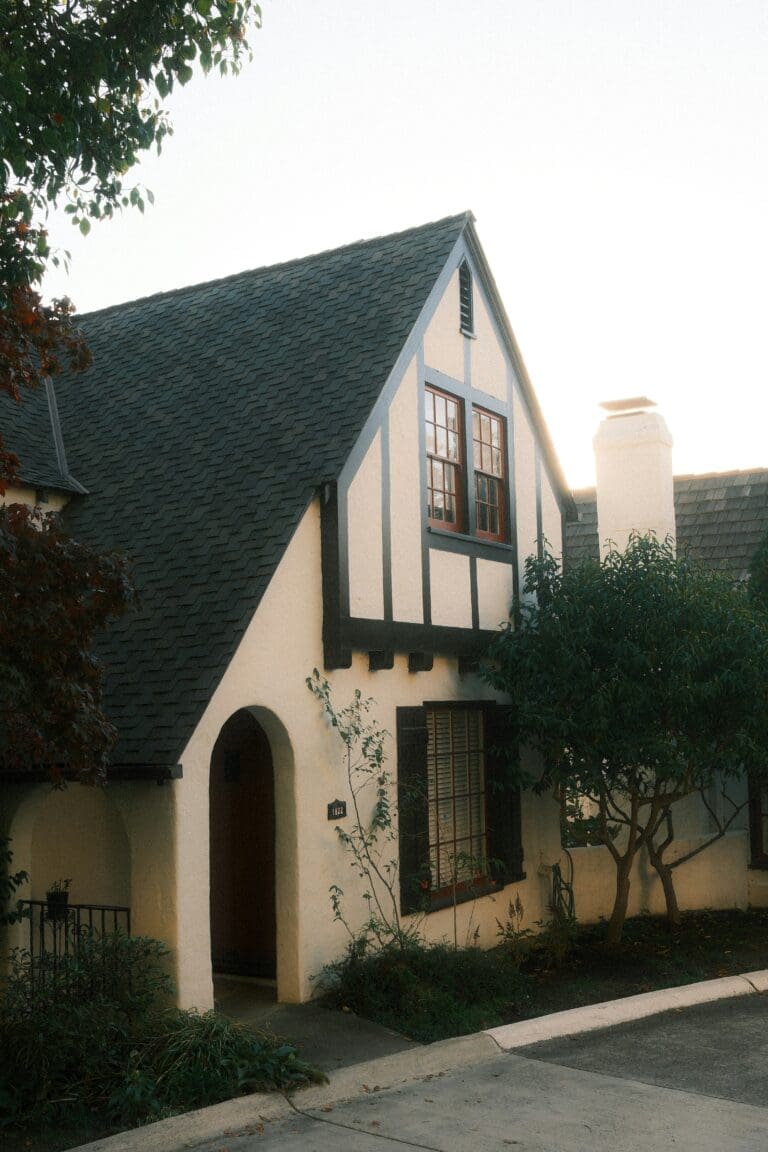
Aligning your home’s exterior paint with its interior design fosters a seamless flow, enhancing overall aesthetics. Consider factors like color psychology, natural light, seasonal changes, and architectural style. Transitional spaces and accent colors bridge indoor and outdoor harmonies. Engaging professional painters ensures desired results, creating a cohesive and inviting atmosphere.