5 Ways to Bring Your Home’s Curb Appeal Back to Life

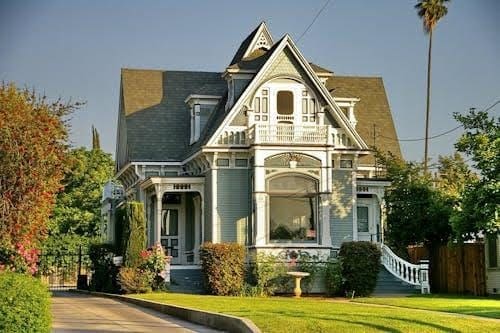
If you own an older home, you’ve probably felt that moment of hesitation when pulling into the driveway. The house still has good bones, and you may love its character, but time has a way of dulling its appearance. Small issues slowly add up until the home no longer reflects the pride you feel inside it.
Curb appeal matters more than most homeowners realize. It affects how you feel coming home each day, how neighbors and visitors perceive your property, and how potential buyers respond if you ever decide to sell.
The good news is that, with thoughtful updates, you can bring an older home back to life while preserving what makes it special.
- Start With the Exterior Shell of the House
Before focusing on decorative details, it helps to look at the overall condition of the home’s exterior. Siding, trim, and exterior surfaces create the first and most lasting impression. If these elements look worn or outdated, even the best landscaping won’t fully compensate.
Modern options offer both durability and visual appeal. James Hardie siding, for example, is a popular choice for restoring older homes because it mimics the look of traditional wood while offering far better resistance to moisture, pests, and weather. It also holds paint exceptionally well, which means your home looks fresher for longer without constant maintenance.
If you do decide to update your siding, make sure you choose the right home exterior contractor for the job. You want someone who is experienced in your local market and knows how to work with a variety of different materials and styles.
- Refresh the Color Palette
Color has a powerful effect on how an old home is perceived. A dated or faded color scheme can make the house feel tired, while a well-chosen palette can give the exterior a renewed sense of purpose.
When selecting colors, consider the era and style of the home. Older homes often benefit from classic, muted tones rather than trendy colors that may clash with the architecture. And keep in mind that trim color matters just as much as the main exterior shade.
If repainting the entire house feels overwhelming, even updating trim, shutters, or accents can make a noticeable difference. The goal is cohesion, not reinvention.
- Bring Life Back to the Front Entry
The front entry is where curb appeal becomes personal. It’s the point of transition between public and private space, and it sets the tone for the rest of the home. Older homes often have beautiful entryways that simply need attention to shine again.
A new front door or refinished original door can instantly elevate the look of the house. Updated hardware, house numbers, and light fixtures add polish without altering the home’s character. Lighting, in particular, plays a big role. Warm, well-placed exterior lighting makes the home feel welcoming and highlights architectural features after dark.
- Restore the Landscaping
Landscaping is one of the easiest ways to restore curb appeal, but it’s also easy to overdo. For older homes, simpler landscaping often works best. (You’re aiming to frame the house, not compete with it.)
Overgrown shrubs, uneven lawns, or neglected garden beds can make a home feel neglected. That’s why trimming, cleaning edges, and refreshing mulch can go such a long way.
When landscaping, think in layers rather than clutter. Low plantings near walkways, mid-height shrubs near the foundation, and taller elements that anchor corners help guide the eye naturally toward the house.
- Pay Attention to the Small Details
Curb appeal is often the accumulation of lots of small improvements that create a dramatic transformation. Older homes, in particular, benefit from attention to details that may have been overlooked for years. Here are a few areas where small updates make a big difference:
- Gutters and downspouts. Sagging, clogged, or misaligned gutters instantly make a home look neglected, even if everything else is in good shape. Cleaning them out, repairing loose sections, and making sure downspouts are properly routed improves both curb appeal and drainage. Well-maintained gutters signal that the home is cared for, not just cosmetically but structurally.
- Windows and frames. Windows are one of the most noticeable features on an older home, especially when trim paint is peeling or frames look worn. Repairing damaged trim and applying a fresh coat of paint restores contrast and sharpness to the exterior. Clean, well-defined windows can make the entire house feel brighter and more intentional.
- Roof condition. While the roof isn’t always the first thing you notice, signs of wear are hard to ignore once you see them. Replacing damaged shingles, cleaning moss or debris, and ensuring consistent color can significantly improve the home’s overall appearance. A well-maintained roof also communicates that the house has been responsibly cared for over time.
Balancing the Old With the New
One of the biggest mistakes homeowners make when restoring curb appeal is trying to make an old home look brand new. The charm of an older property often lies in its imperfections and materials. As you update your home’s look, make sure you’re not erasing history. Instead, take the time to understand how it fits into your current vision for what the home should look like.