Sustainable Gardening: How to Grow a Thriving Eco-Conscious Garden
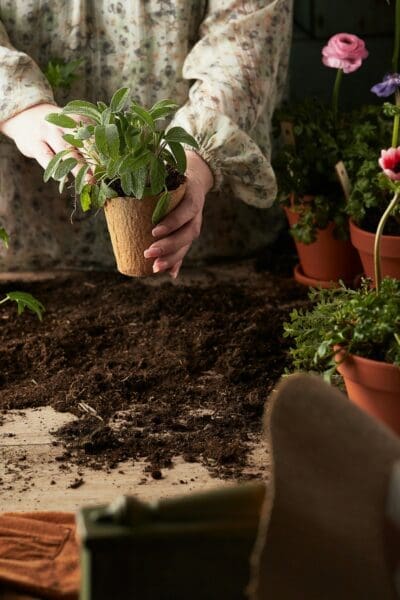
Gardening has always been one of the most rewarding things a person can do. There is something deeply satisfying about nurturing a seed into something that feeds your family, attracts pollinators, or simply makes your yard more beautiful. But today, more gardeners are thinking beyond just what they grow. They are thinking about how they grow it and what kind of footprint they leave behind. Sustainable gardening is that mindset in action, and the good news is that it is more accessible than most people think.
What Sustainable Gardening Actually Means
Sustainable gardening is not about following a strict set of rules or buying expensive products. At its core, it is about working with nature rather than against it. That means reducing chemical inputs, conserving water, building healthy soil, and supporting the local ecosystem. When you garden sustainably, you are not just growing plants. You are contributing to something bigger.
The shift starts with how you think about your garden space. Instead of seeing weeds as enemies and soil as just a surface to plant in, you begin to see your garden as a living system. Soil health, water flow, biodiversity, and organic matter all play roles in that system. Your job is to support each one.
Start With the Soil
Healthy soil is the foundation of any thriving garden, and it is where most sustainable gardening efforts should begin. Soil that is rich in organic matter retains moisture, supports beneficial microorganisms, and feeds your plants naturally without the need for synthetic fertilizers.
Composting is one of the best ways to build that kind of soil. Kitchen scraps, dried leaves, and yard waste can all be broken down into rich compost that dramatically improves soil texture and fertility. If you are not already composting, starting a small bin in your backyard is one of the easiest first steps you can take.
Mulching is another game-changer. A good layer of mulch around your plants and trees does several things at once. It suppresses weeds, holds in moisture, regulates soil temperature, and slowly breaks down to feed the soil below. Sourcing quality mulch is worth the investment, and finding a reliable local supplier makes the whole process easier. Gardeners looking for premium organic and decorative mulch options can explore what northcountymulch.com has to offer. Local mulch suppliers often carry a wider variety than big-box stores and can help you find the right product for your specific needs.
Water Smarter, Not More
Water conservation is a major pillar of sustainable gardening. Traditional overhead watering is one of the least efficient methods out there. A significant amount of water evaporates before it ever reaches the root zone, especially during warm months.
Drip irrigation and soaker hoses deliver water directly to the base of your plants, where it is actually needed. Pairing this with early morning watering sessions means even less evaporation and healthier plants overall. Collecting rainwater in a barrel is another simple practice that reduces your reliance on municipal water and costs virtually nothing once you set it up.
Grouping plants with similar water needs together, a practice known as hydrozoning, also makes a meaningful difference. When every plant in a zone has the same requirements, you stop overwatering some while underwatering others.
Go Native Whenever You Can
Native plants are one of the most powerful tools in the sustainable gardener’s kit. These are species that evolved in your local region and are naturally adapted to your climate, rainfall patterns, and soil conditions. Because of that, they require far less supplemental water, fertilizer, and pest control than non-native ornamentals.
Beyond being low maintenance, native plants are also ecological workhorses. They provide food and habitat for native bees, butterflies, birds, and other wildlife. Planting even a small section of your yard with native species can create a meaningful refuge for local pollinators.
Ditch the Chemicals
Pesticides and synthetic fertilizers might seem like easy solutions, but they come with real costs. Many pesticides are non-selective, meaning they kill beneficial insects alongside the pests you are targeting. Synthetic fertilizers can leach into groundwater and disrupt the natural soil biology you are trying to build.
There are effective organic alternatives for nearly every situation. Neem oil, insecticidal soap, and companion planting can address most common pest problems without collateral damage. Compost and natural amendments like worm castings or fish emulsion feed your plants while supporting, rather than depleting, your soil ecosystem.
Build for the Long Term
Sustainable gardening is not a one-season project. It is an ongoing practice that gets easier and more rewarding the longer you commit to it. As your soil improves, your plants become more resilient. As your native plantings mature, your garden attracts more beneficial insects and wildlife. Each season builds on the last.
The goal is not perfection. It is progress. Swapping one synthetic product for an organic alternative, adding a layer of mulch, setting up a rain barrel, or planting a single native species all count as meaningful steps forward. Over time, those small changes add up to a garden that is not just thriving but genuinely contributing to the health of the world around it.
That is what eco-conscious gardening is really about.