Storage Solutions for Growing Families
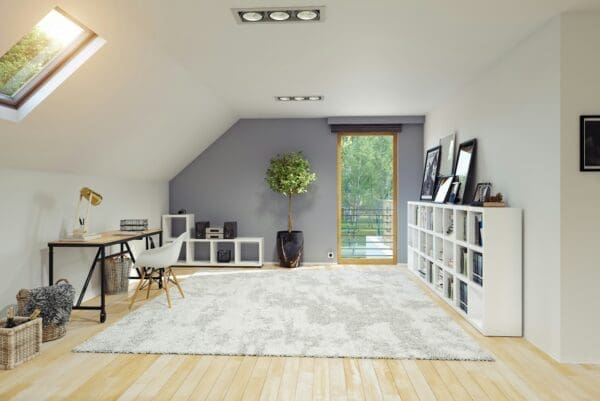
As families grow, so does the need for space to accommodate toys, clothes, seasonal items, and sentimental keepsakes. A cluttered home can create stress and hinder functionality, making effective storage solutions essential for maintaining a harmonious living environment. From clever in-home organization to utilizing external options, growing families can adopt a variety of strategies to manage their belongings efficiently. Here’s a comprehensive look at practical storage solutions to keep your home organized and adaptable to your family’s evolving needs.
Maximizing In-Home Storage
The first step in tackling storage for a growing family is optimizing the space you already have. Built-in storage solutions, such as shelves, cabinets, and under-stair compartments, can transform underutilized areas into functional storage hubs. For example, installing wall-mounted shelves in a child’s bedroom can hold books and toys, freeing up floor space for play. Multi-functional furniture, like ottomans with hidden compartments or beds with built-in drawers, is a game-changer for small spaces. These pieces serve dual purposes, combining seating or sleeping areas with storage capacity.
Vertical space is often overlooked but can be a lifesaver. Tall shelving units or stackable bins can store items like seasonal clothing or sports equipment without encroaching on living areas. In the kitchen, magnetic knife strips, hanging pot racks, or over-the-door organizers for pantry items can maximize limited cabinet space. Labeling bins and baskets ensures everyone in the family knows where items belong, fostering a sense of shared responsibility for keeping things tidy.
Decluttering and Rotating Items
Growing families accumulate items quickly, from baby gear to school supplies. Regular decluttering is key to preventing overwhelm. A “one-in, one-out” rule—where a new item entering the home prompts the removal of an old one—helps maintain balance. Sorting items into categories (keep, donate, store, or discard) streamlines the process. For items used infrequently, like holiday decorations or outgrown clothes, consider seasonal rotation. Store winter coats in summer and beach gear in winter to free up space for current needs.
Clear plastic bins are ideal for organizing rotated items, as they allow visibility and protect against dust or moisture. Vacuum-sealed bags are another space-saving option for bulky items like blankets or off-season clothing. Designating a specific area, such as a basement or attic corner, for these bins keeps them accessible yet out of the way. Teaching children to participate in decluttering fosters organizational habits early, making it easier to manage household storage as they grow.
Creative Use of Small Spaces
Small spaces, like closets or corners, can be transformed into efficient storage areas with a bit of creativity. Over-the-door shoe organizers can hold more than footwear; they’re perfect for storing craft supplies, snacks, or small toys. Under-bed storage boxes are ideal for flat items like board games or extra bedding. For families with limited closet space, portable wardrobe racks can create additional hanging storage in a bedroom or garage.
In shared spaces like living rooms, decorative baskets or trunks can conceal toys or blankets while blending with the decor. Modular storage systems, which allow you to customize shelving and drawer configurations, adapt to changing needs as children grow or new family members arrive. These solutions are particularly effective in apartments or smaller homes where every square inch counts.
Utilizing a Storage Unit
For families facing significant space constraints or undergoing transitions like a move or renovation, renting a storage unit can be a practical solution. Storage units provide a secure, off-site space to store items that don’t fit in the home but aren’t ready to be discarded, such as heirlooms, extra furniture, or seasonal equipment. They’re especially useful for families in temporary housing or those downsizing while awaiting a larger home. Climate-controlled units protect sensitive items like electronics or documents from humidity and temperature fluctuations. When choosing a storage unit, prioritize accessibility and security features, and organize items with clear labeling and pathways for easy retrieval. Regularly reassess the contents to ensure the unit remains a cost-effective solution, donating or selling items no longer needed.
Digital and Minimalist Approaches
In today’s digital age, reducing physical clutter can also mean digitizing where possible. Scanning important documents, like children’s artwork or family records, and storing them on a secure cloud service frees up physical space while preserving memories. Adopting a minimalist mindset—focusing on quality over quantity—can prevent unnecessary accumulation. Encourage family members to prioritize meaningful items and let go of duplicates or unused possessions. This approach not only saves space but also simplifies cleaning and maintenance.
Conclusion
Storage solutions for growing families require a blend of creativity, discipline, and adaptability. By maximizing in-home space, decluttering regularly, utilizing small areas, and considering external options like storage units, families can create an organized, stress-free environment. These strategies not only address immediate space challenges but also teach valuable organizational skills that benefit the entire household. With thoughtful planning, a growing family can thrive in a home that feels spacious, functional, and welcoming, no matter how many members—or belongings—it includes.