Spotting Spiders: A Homeowner’s Guide to Safety and Species in Coastal Carolina
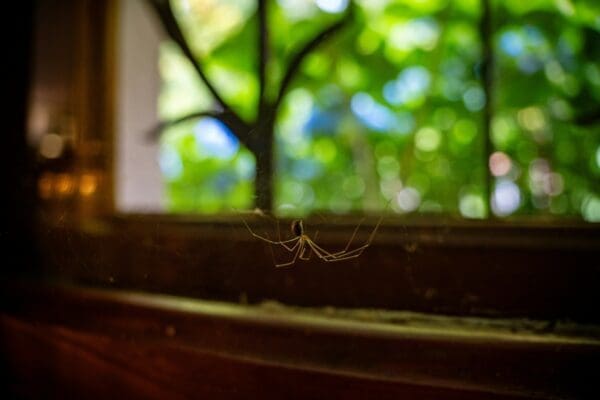
Homeowners and rental property owners in Brunswick County, NC, and the Wilmington coastal corridor experience a distinct pest environment shaped by salt-air humidity, dense vegetation, and long warm seasons. These conditions create an ideal habitat for insects, which, in turn, support a healthy spider population both outdoors and indoors.
Most spiders found in and around homes are beneficial because they reduce nuisance insect populations. However, the challenge for many residents, especially those managing vacation homes or rental properties, is not whether spiders are present, but which species are present and whether they pose any risk.
In homes with children, elderly residents, or pets, accurate identification becomes even more important. Spiders often appear in garages, crawl spaces, attics, and storage areas before they are ever seen in living spaces. Understanding regional species helps reduce unnecessary alarm while also ensuring that potentially dangerous spiders are handled appropriately. This is where awareness of spider control in coastal North Carolina becomes especially relevant, as coastal conditions often contribute to year-round indoor and outdoor spider activity.
Manning’s Pest Control, a pest management provider serving Brunswick County, Wilmington, and surrounding coastal communities, is often used by property owners who need clearer identification support in humid, high-activity environments where spider populations fluctuate throughout the year.
Common Spiders Found in Coastal North Carolina Homes
Several spider species are regularly encountered in residential and coastal properties. While appearances can vary, understanding behavioral patterns is often more useful than relying solely on visuals.
Wolf Spiders
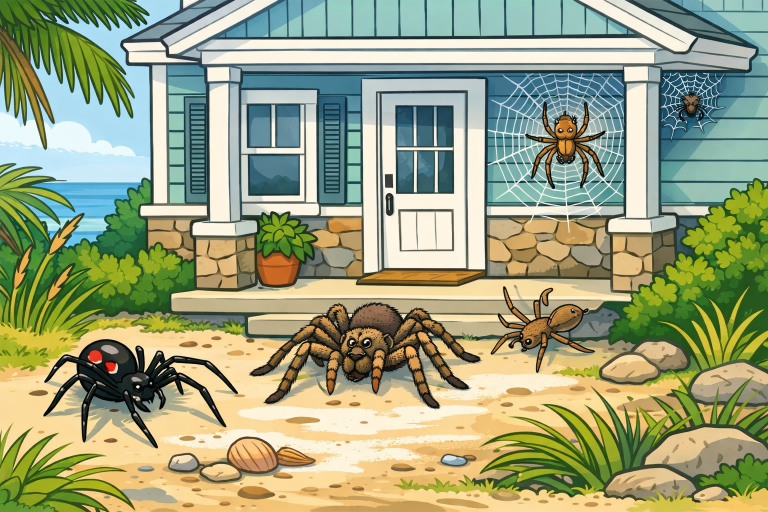
Wolf spiders are among the most commonly seen large spiders in coastal homes. In discussions of common spiders in coastal NC homes, they are often one of the first species homeowners encounter. They do not build webs for hunting; instead, they actively chase prey. They are typically found at ground level in garages, basements, crawl spaces, and along foundation walls.
Although their size and speed can be intimidating, wolf spiders are not considered medically dangerous. They are generally solitary and help control insects that enter homes.
Orb Weavers
Orb weavers are outdoor web-building spiders known for their symmetrical, wheel-shaped webs. They are often seen around porches, outdoor lighting fixtures, and garden structures.
These spiders are beneficial and help reduce flying insect populations. Their presence near homes is usually seasonal, and they are more noticeable in late summer and fall, when web-building activity peaks.
Common House Spiders
House spiders are small, adaptable spiders that thrive in indoor environments. They are commonly found in corners, behind furniture, near windows, and in storage areas.
They are generally harmless and tend to avoid interaction with people. Their presence often indicates other small insect activity inside the home, which serves as their food source.
Black Widow Spiders
Black widows are among the most important spiders for homeowners to identify correctly. They are recognized by a glossy black body and a red hourglass marking on the underside of the abdomen.
They prefer dark, undisturbed environments such as woodpiles, sheds, crawl spaces, outdoor storage bins, and rarely used corners of garages. Their venom can cause medically significant symptoms, so caution is essential when inspecting cluttered or low-visibility areas.
Brown Recluse Spiders
Brown recluse spiders are less commonly confirmed in coastal North Carolina but are frequently reported due to misidentification. They are identified by a violin-shaped marking on the back and long, slender legs.
These spiders prefer undisturbed indoor areas such as attics, closets, and storage boxes. Because their bites can cause tissue damage in rare cases, suspected sightings should always be treated with caution and verified when possible.
Seasonal Spider Activity in Humid Coastal Climates
Spider behavior in coastal Carolina changes throughout the year based on temperature, humidity, and prey availability.
Spring and Summer
As temperatures rise, insect populations increase significantly, which leads to higher spider activity. Outdoor webs become more visible around homes, decks, and landscaping.
During this period, spiders are more active hunters and web builders. Homeowners may notice increased sightings near exterior lighting and entry points.
Fall
Fall is often the most noticeable season for spider activity. Many species reach maturity, and web-building increases significantly. This is also when spiders are more likely to move indoors as nighttime temperatures begin to drop.
Vacation homes that have been unoccupied during parts of the summer may experience a sudden increase in spider activity when reopened in the fall.
Winter
In winter, spiders often move deeper into homes seeking warmth and shelter. While overall activity may appear reduced, spiders are still present in hidden areas such as attics, crawl spaces, and behind stored items.
Indoor heating can sometimes make spiders more active, leading to occasional sightings even in colder months.
Safely Managing Spiders in Homes with Kids and Pets
Effective spider management in coastal homes focuses on prevention, habitat reduction, and safe inspection practices.
Routine Cleaning
Frequent vacuuming helps remove webs, egg sacs, and small insects that attract spiders. Focus on corners, baseboards, closets, and storage areas.
Sealing Entry Points
Cracks in foundations, gaps around doors, and poorly sealed windows are common entry points. Sealing these reduces spider access, especially in older coastal homes exposed to humidity-related wear.
Outdoor Lighting Awareness
Outdoor lighting attracts insects, which, in turn, attract spiders. Reducing unnecessary lighting or using lower-attraction bulbs can help minimize spider activity near entryways and patios.
Decluttering Storage Areas
Cardboard boxes, unused furniture, and stacked storage items create ideal hiding places. Organizing storage areas reduces spiders’ shelter opportunities, particularly in garages and crawl spaces.
Safe DIY Limitations
Light prevention methods are generally safe and effective for minor spider activity. However, identification errors are common, and handling potentially venomous spiders without proper knowledge increases risk.
When DIY Is Not Enough
While many spider concerns can be managed through routine prevention, certain situations require professional assessment:
There are pest management services across coastal North Carolina, including Brunswick County and Wilmington. Their spider-focused guidance emphasizes accurate species identification, inspection of hidden nesting areas, and targeted treatment strategies for humid coastal environments, where spider activity persists year-round. Their regional expertise is particularly relevant for homeowners and rental property managers dealing with recurring spider activity in crawl spaces, attics, garages, and vacation properties.
Professional evaluation is especially important in the following situations:
- Confirmed or strongly suspected black widow or brown recluse presence indoors
- Repeated spider activity despite consistent cleaning and sealing efforts
- Infestations in rental properties between tenant stays or seasonal vacancies
- Spiders appearing in bedrooms, nurseries, or frequently used living spaces
In these cases, accurate identification and structured treatment help reduce long-term recurrence and improve household safety.
Why Coastal Homes See More Spider Activity
Several environmental factors contribute to higher spider presence in coastal North Carolina homes:
- High humidity that supports large insect populations
- Dense landscaping and vegetation around residential properties
- Mild winters that allow spiders to remain active year-round
- Vacation and rental homes that sit unoccupied for extended periods
These combined conditions make spider prevention a year-round responsibility rather than a seasonal concern.
Final Thoughts
Spiders are a natural and important part of the coastal Carolina ecosystem, but in residential settings, especially in Brunswick County and Wilmington, understanding species behavior is essential for safety and comfort.
Most spiders found in homes are harmless, yet accurate identification remains important because medically significant species, such as black widows and the occasional brown recluse, may be present. Seasonal changes, humidity, and housing conditions all influence spider activity levels throughout the year.
For homeowners and rental property managers, combining preventive maintenance with informed decision-making helps reduce unnecessary encounters and ensures safer living environments. When uncertainty arises or spider activity becomes persistent, professional inspection can provide clarity and help maintain safe, well-managed coastal homes.