Snow, Ice, and Your Roof
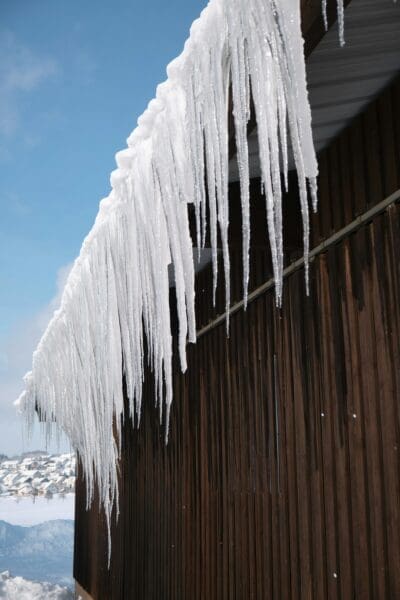
Winter can be a picturesque season, with snow-covered landscapes and frost-kissed rooftops creating a serene scene. However, for homeowners, winter weather can pose serious risks to the structural integrity of their homes, particularly their roofs. If not properly managed, snow and ice accumulation can cause ice dams, leaks, and structural collapse. Understanding how to protect your roof from winter hazards can prevent costly damage and ensure the safety of your home.
Heavy ice and snow accumulation during the winter can weaken your roof in Annapolis, MD, causing leaks, shingle damage, and structural issues that may require a full roof replacement Annapolis MD to prevent further costly repairs.
Understanding Ice Dams
One of the most common and dangerous winter roofing issues is ice dams. These occur when heat escapes from the home and melts the snow on the roof. The melted snow then falls down to the colder edges of the roof, where it freezes again, creating a dam-like barrier. As more snow melts and refreezes, the ice dam grows, preventing proper drainage and forcing water back under the shingles and into the home.
Ice dams can cause significant water damage, leading to mold growth, compromised insulation, and weakened structural components that can lead to roof repair services. Preventing ice dams requires proper insulation, ventilation, and snow removal strategies to ensure a consistent roof temperature.
Proper Insulation and Ventilation
One of the most effective ways to prevent ice dams and winter-related roof damage is to ensure your attic is well-insulated and ventilated. Proper insulation helps keep a consistent indoor temperature, preventing heat from escaping through the roof. Key insulation steps include:
- Sealing Air Leaks: Gaps around vents, chimneys, and other penetrations should be sealed to prevent warm air from leaking into the attic.
- Adding Insulation: Increasing attic insulation to recommended levels helps keep heat inside the living space rather than escaping through the roof.
- Ventilation Improvements: Ridge and soffit vents help regulate attic temperature by letting cold air enter and warm air to escape, reducing the chances of snow melting unevenly on the roof.
Without these measures, heat buildup in the attic can accelerate snowmelt, increasing the likelihood of ice dam formation and roof damage.
Safe Snow Removal Techniques
Heavy snow accumulation can put extreme weight on your roof, leading to possible structural damage or collapse. It’s crucial to remove snow safely and efficiently to prevent these risks. Here are some recommended techniques for snow removal:
- Use a Roof Rake: A long-handled roof rake allows homeowners to remove snow from the ground without climbing onto the roof. This tool is particularly effective for clearing the lower portion of the roof where ice dams typically form.
- Avoid Metal Shovels: Using metal shovels or tools with sharp edges can damage shingles and compromise the roof’s integrity.
- Hire a Professional: If snow buildup is excessive or difficult to reach, hiring a professional roofer or snow removal service may be best to ensure safe and effective clearing.
- Remove Snow Strategically: Focus on clearing snow balanced to prevent uneven weight distribution, which could stress the roof’s structure.
Preventative Roof Maintenance
Taking proactive measures before winter arrives can lessen the risks linked to snow and ice buildup. Consider the following maintenance tips:
- Inspect and Repair Roof Damage: Check for loose or damaged shingles, flashing, and other vulnerabilities that could lead to leaks once snow and ice accumulate.
- Clean Gutters and Downspouts: Clogged gutters prevent proper drainage and contribute to ice dam formation.
- Trim Overhanging Branches: Heavy snow can weigh down tree branches, causing them to break and damage the roof.
- Install Ice and Water Shields: Adding protective barriers beneath the shingles in vulnerable areas can provide an extra defense against ice and water penetration.
When to Seek Professional Help
While homeowners can take many preventive steps, some situations require professional intervention. If you notice signs of significant ice damming, persistent leaks, or excessive snow accumulation, it’s best to call a roofing expert. Additionally, if your roof is older or has existing structural issues, a professional inspection before winter can help spot and address potential problems before they worsen.
Conclusion
Winter can be hard on your roof, but with proper insulation, ventilation, and snow removal techniques, you can protect your home from potential catastrophe. Ice dams, excessive snow weight, and poor roof maintenance can lead to pricey repairs and unsafe conditions. By taking proactive measures and knowing when to reach out to professional help, you can ensure your roof stays strong and secure throughout the winter season.