Should You Repair Your AC Now or Wait? A Practical Guide
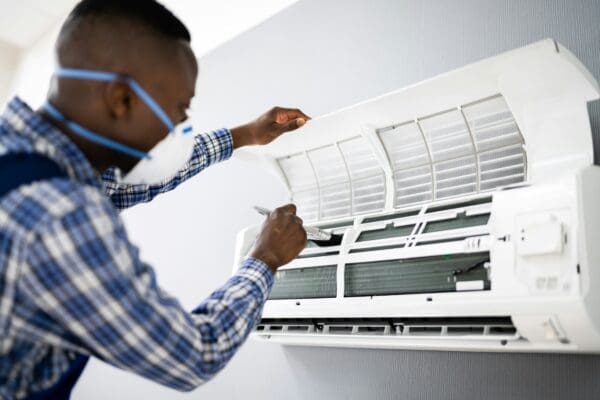
Air conditioning systems play a crucial role in maintaining comfort, especially during warmer months, particularly for homeowners in Utah where temperatures can rise significantly. However, when issues arise, many homeowners face a common dilemma—should they repair the problem immediately or wait and see if it improves? While delaying repairs might seem convenient or cost-effective in the short term, it can sometimes lead to more serious complications.
Understanding the difference between minor issues and urgent problems is key to making the right decision. Factors such as system performance, energy efficiency, and potential long-term damage should all be considered before postponing repairs.
This guide will help you determine whether to repair your AC now or wait based on practical considerations.
Signs Your AC Needs Immediate Repair
Certain warning signs indicate that your AC system requires immediate attention. If your unit is blowing warm air instead of cool air, producing unusual noises, or emitting unpleasant odors, these are clear indicators of internal issues that should not be ignored.
Frequent cycling—where the system turns on and off repeatedly—can indicate deeper mechanical or electrical issues.
In such situations, homeowners may require Emergency AC Repair Utah County services to address urgent problems quickly and restore cooling performance. Companies such as Ninja Plumbing, Heating & Air provide services, including system diagnostics, repairs, and maintenance support. That’s not all! Many technicians arrive within 120 minutes, enabling faster service and minimizing downtime. As a result, timely repairs help prevent further damage and restore comfort quickly.
When It Might Be Safe to Wait
Not every AC issue requires immediate repair. Minor problems, such as a dirty air filter or temporary performance fluctuations, can sometimes be addressed with basic maintenance. Cleaning or replacing filters and ensuring proper airflow around the unit may improve performance without professional intervention.
If the system is still cooling effectively but shows slight inefficiencies, it may be reasonable to monitor its performance for a short period. Observing changes in airflow, temperature consistency, or system noise can help determine whether the issue is temporary or worsening.
However, even small issues should not be ignored for long. Regular monitoring ensures that minor concerns do not develop into more serious problems over time.
Cost Implications: Repair Now vs Later
Delaying AC repairs may seem like a way to save money initially, but it often results in higher costs in the long run. Small issues, such as worn components or minor leaks, can quickly escalate into major problems that require extensive repairs or even system replacement.
Additionally, a malfunctioning system typically consumes more energy, leading to increased utility bills. These ongoing costs can add up significantly if the issue is not addressed early.
Promptly repairing problems helps control expenses, maintain efficiency, and reduce the likelihood of unexpected breakdowns requiring costly emergency services.
Impact on Energy Efficiency
An AC system that is not functioning properly often has to work harder to maintain the desired temperature. This increased workload reduces overall efficiency and places additional strain on internal components.
Over time, this strain can accelerate wear and tear, shortening the system’s lifespan. Higher energy consumption also increases operational costs, which can strain household budgets.
Addressing issues early helps restore efficiency, reduce energy use, and ensure the system operates at optimal performance.
Risks of Delaying Repairs
Ignoring AC problems can lead to a variety of risks, including reduced performance, system damage, and unexpected failures. Minor faults can worsen quickly, especially during periods of heavy usage when the system is under constant strain.
In more severe cases, delaying repairs may result in complete system failure, leaving the home without cooling during critical times. This can cause discomfort and inconvenience, particularly in hot weather.
Taking timely action helps minimize these risks and ensures that the system remains reliable and functional.
Seasonal Considerations
The timing of repairs can significantly impact both cost and convenience. During peak summer months, HVAC service providers are often in high demand, leading to longer wait times and limited appointment availability.
Scheduling repairs during off-peak seasons can make it easier to secure timely service and may even reduce costs. Preventive maintenance before the summer season can also help identify potential issues early.
However, if a major problem occurs during extreme heat, waiting is rarely an option, making immediate repair the better choice.
Conclusion
Deciding whether to repair your AC now or wait depends on the severity of the issue, potential risks, and long-term costs. While minor problems may be manageable in the short term, more serious issues should be addressed promptly to avoid further damage and increased expenses. By recognizing warning signs early and taking appropriate action, homeowners can maintain efficiency, reduce costs, and ensure consistent comfort throughout the year.