Saving for Your Kids: New Financial Strategies

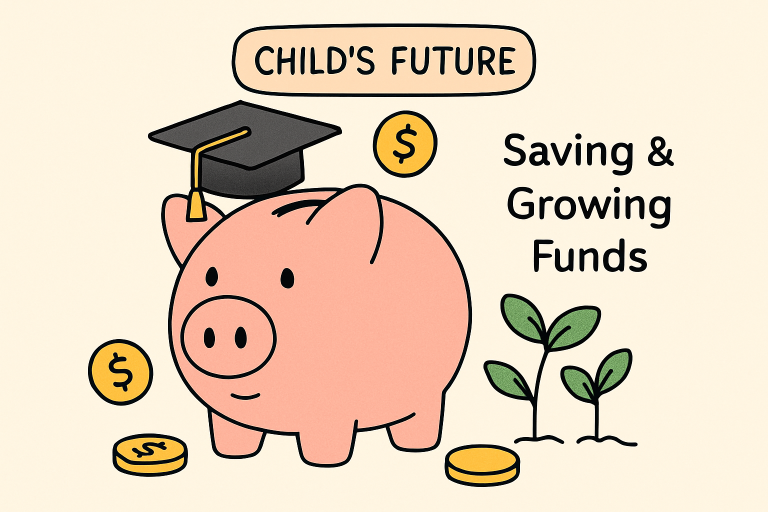
Getting an early start on saving for your children’s futures gives your investments the best chance to grow through the power of compound interest. Even modest, consistent contributions—starting as soon as your child is born—can significantly increase over time. The U.S. Department of Education has found that children with their savings accounts are substantially more likely to attend college, highlighting how early action translates into real opportunities. A little saved today can transform into lots of options tomorrow.
Choosing the right savings vehicle is a pivotal part of this early planning. Registered Education Savings Plans, or RESPs Canada, are a standout choice, particularly for families in Canada, as they offer not only tax-deferred growth but may also qualify your child for additional government grants. Utilizing RESPs can dramatically increase the funds available for future education expenses, allowing your savings to work harder for you.
Types of Accounts to Consider
There’s no one-size-fits-all approach to saving for your child’s future, but certain account types frequently stand out for their advantages. In the United States, 529 plans provide tax-deferred growth and, in some cases, state tax benefits, making them a popular choice for education savings. In Canada, RESPs unlock the door to government grants and tax-free growth until the funds are withdrawn. High-yield savings accounts and custodial brokerage accounts are additional tools that can be leveraged for greater flexibility. However, they may lack some specific educational incentives for dedicated plans. Weigh contribution limits, withdrawal restrictions, and potential tax implications before committing to a particular account structure.
The Role of Consistency and Routine
One of the defining factors in whether a savings plan succeeds isn’t how much you save at a time, but how regularly you do it. Setting up automatic transfers provides a way to save painlessly and maintain progress even with the ebb and flow of life’s expenses. Many employers now offer direct deposit options that allow a fixed portion of payroll to be allocated directly to a child’s savings or investment account. Turning saving into a routine rather than an occasional task makes substantial long-term gains achievable—often without noticing the difference month to month.
Diversifying Your Approach
Over-reliance on any one savings method can leave you exposed to risks and volatility. By spreading your investments—using a mix of fixed-income products like bonds, growth-oriented assets such as index funds, and even new micro-investment apps tailored to families—you bolster your resilience against market swings. Diversification is not solely about chasing returns; it’s about protecting your progress, especially as economic conditions shift. Data consistently shows that diversified portfolios recover more quickly from downturns and are better positioned for steady, long-term growth (learn more about why diversification matters).
Involving the Whole Family
Saving doesn’t have to rest solely on parents’ shoulders—by making it a family affair, you lighten the load and build shared financial literacy. Encourage relatives to make contributions instead of material gifts for birthdays or holidays. Inviting children to participate in age-appropriate conversations about family goals and saving strategies is even more valuable. This transparency demystifies money and sets the stage for healthy financial habits that endure into adulthood. Children learn by observation, so your example can make a lifelong impact.
Incorporating Scholarships and Government Programs
External financial tools and opportunities can significantly supplement your private savings efforts. In Canada, government matching grants for RESPs can boost your contributions by up to 20%, while in the U.S., many states offer their own incentives for using 529 plans. Begin searching for scholarship opportunities well before your child approaches graduation. These can range from merit-based academic and athletic scholarships to awards for community involvement or unique talents. Staying proactive in seeking out scholarships and grants lightens the eventual financial burden. It provides more flexibility in how and where your child pursues higher education (see more on maximizing financial aid).
Overcoming Common Obstacles
Unexpected setbacks—whether a job loss, medical expense, or broader economic downturn—can threaten even the best-laid savings plans. The critical strategy during these times is to maintain flexibility. If contributions must be paused or reduced for a while, commit to resuming them as soon as possible rather than abandoning the plan altogether. Some account types, like high-yield savings accounts or RESPs, allow you to adjust contributions easily. Building an emergency fund alongside your child’s savings can act as a buffer, helping you avoid withdrawals that incur penalties or lost incentives.
Setting Your Children Up for a Strong Financial Start
The end goal of saving for your children’s future isn’t only to accumulate funds and empower them with financial skills. Bring kids into goal-setting discussions, and celebrate milestones together—whether that’s the first $100 saved or winning a small scholarship. Help them understand the value of patience and perseverance in reaching long-term objectives. By involving your children and reinforcing positive habits, you give them the confidence and knowledge to make informed decisions for their financial lives long after leaving home.
Similar Posts:
- A Parent’s Guide to Using Education Savings Wisely
- 8 Benefits of a Zero-Balance Savings Account Online & How to Open One Online
- Smart Saving Habits: How Preparing Financially Today Benefits Your Future
- Building Flexibility into Your Financial Planning
- Eight Ways to Ensure Financial Security for Your Family