
A Parent’s Guide to Using Education Savings Wisely

Registered Education Savings Plans (RESPs) are a pivotal savings tool for Canadian families, allowing them to accumulate education funds with generous tax advantages and government support. When it’s time to access these funds, understanding the RESP withdrawal rules is crucial to maximizing your investment and supporting your child’s academic future. Navigating the withdrawal process correctly not only helps preserve government grants but also minimizes unnecessary taxation, ensuring your child’s education dollars stretch as far as possible.
Withdrawing money from an RESP is not a one-size-fits-all process. The decision of what, when, and how to withdraw can significantly impact both your family’s finances and your student’s tax situation. Effectively utilizing the RESP requires a grasp of withdrawal types, limits set by government policy, and strategic insights to minimize taxes while taking full advantage of available assistance and earned growth.
Whether your child is heading off to university, college, or another qualified post-secondary program, your approach to RESP withdrawals can make a big difference in funding their goals. To help you make smart decisions and avoid the most common RESP pitfalls, this article provides clear guidance on EAPs, contribution withdrawals, and options should your child’s educational path change.
Navigating these decisions is easier with up-to-date tax strategies and an understanding of the evolving RESP landscape. For deeper expertise on planning for your child’s education, including maximizing investment returns and integrating RESP withdrawals with your family’s broader financial plan, take a look at this comprehensive guide to cashing out your child’s RESP from Fidelity.
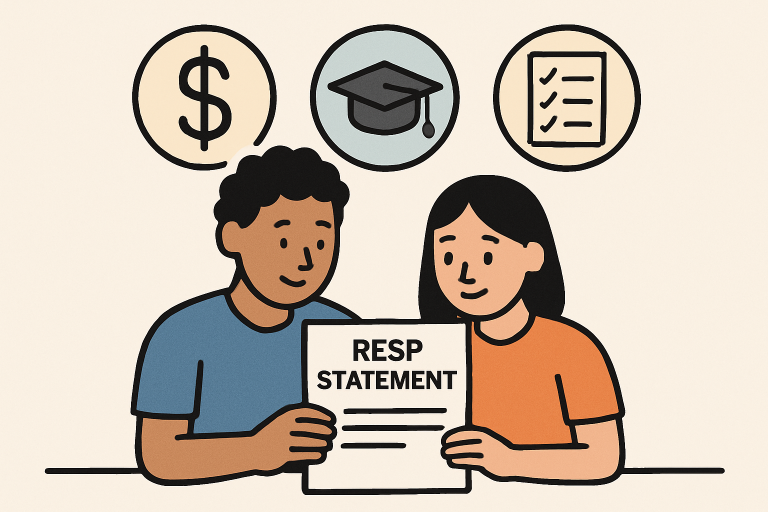
Understanding Educational Savings Withdrawals
RESPs are intentionally designed to provide Canadian families with a flexible and tax-friendly way to prepare for their children’s higher education expenses. Your contributions grow tax-deferred, and the federal government amplifies your efforts through valuable programs such as the Canada Education Savings Grant (CESG) and, in eligible cases, the Canada Learning Bond (CLB). When students begin their post-secondary education, families must follow specific rules for withdrawing these funds, balancing immediate educational needs with long-term tax and grant considerations.
Critically, not all RESPs are structured or withdrawn the same way. Withdrawing the correct combination of principal and income is key to both complying with Canada Revenue Agency (CRA) regulations and making the most out of government incentives. Financial institutions, parents, and students alike are advised to plan well in advance to avoid hasty decisions that could result in lost grant money or unexpected tax bills.
Types of Educational Withdrawals
Educational Assistance Payments (EAPs)
Education Assistance Payments are comprised of government grants and investment income earned within the RESP. These are taxable in the student’s hands, who often pays little or no tax due to modest income levels and available credits. EAPs are strictly regulated and must be used only for students enrolled in eligible post-secondary programs. Withdrawals are capped at $8,000 during the first 13 weeks of full-time enrollment (with a lower cap for part-time students), per the latest CRA guidance.
Post-Secondary Education (PSE) Withdrawals
PSE withdrawals refer to your original RESP contributions, which can be withdrawn at any time once the student is enrolled in a qualifying program. Since these contributions are made with after-tax funds, they are not taxable upon withdrawal. This provides families with the flexibility to access their invested savings at their own pace, without worrying about triggering taxes.
The order of withdrawals is significant: drawing EAPs first maximizes the utilization of grants and interest income while minimizing the risk that grant money is returned to the government.
Strategies for Tax-Efficient Withdrawals
To extract the greatest value from your RESP, it pays to plan withdrawals with both cash flow and taxes in mind:
- Distribute EAPs Over Several Years: Rather than taking the maximum EAP all at once, consider spreading withdrawals over your student’s multi-year program to smooth out taxable income and leverage education-related credits each year.
- Withdraw When Education Expenses Peak: Schedule larger withdrawals to coincide with years of higher tuition, books, or living costs, as these are offset by corresponding tax credits, thereby minimizing the impact on net taxable income.
- Coordinate Other Income: Take into account your student’s additional earnings from part-time jobs or summer employment. Strategizing around their total income can help ensure the EAP doesn’t tip them into a higher tax bracket.
Tax professionals often recommend that parents periodically review their RESP withdrawal strategy, as educational expenses and government policies can shift over time. For more tactical advice on withdrawing from an RESP tax-efficiently, the MoneySense article offers practical guidance.
Handling Unused RESP Funds
What happens if your child chooses not to pursue post-secondary education, leaves early, or receives a major scholarship that reduces the need for RESP funds? Thankfully, the RESP provides flexible options:
- Transfer to a Sibling: In family RESPs, funds can be allocated to another child’s education without adverse tax consequences or grant clawbacks, provided they remain within grant maximums and program rules.
- Move Accumulated Income to an RRSP: Up to $50,000 of the plan’s growth can be rolled into the subscriber’s Registered Retirement Savings Plan (RRSP) (subject to available room), thereby deferring taxes and avoiding the 20% RESP withdrawal penalty on the income earned.
- Withdraw the Funds: While contributions will always come out tax-free, investment income withdrawn as an Accumulated Income Payment (AIP) is taxed at regular rates plus a 20% penalty, and all unused government grants must be repaid.
These options ensure that, even in unexpected scenarios, your careful RESP planning continues to provide value to your family’s finances.
Common Mistakes to Avoid
- Withdrawing Contributions First: Always start with EAPs while the student qualifies, or you risk giving back government grants and underutilizing tax-advantaged growth.
- Missing Withdrawal Caps: Pay attention to maximum allowable EAP withdrawals in the first semester or risk tax penalties and compliance issues with the CRA.
- Ignoring Tax Planning: Failing to coordinate with other student income sources or not adjusting withdrawal timelines can significantly erode RESP value through preventable tax payments.
Conclusion
Effectively handling RESP withdrawals requires tactical insight and a forward-thinking approach. Start by understanding the differences between EAPs and PSE withdrawals, plan a tax-aware drawdown strategy, and be mindful of the flexible options available if educational plans shift. With careful planning, your RESP can provide a robust foundation for your child’s post-secondary success, helping you get the most from every dollar saved and every government grant received.