Common Water Issues You May Have in Your Home
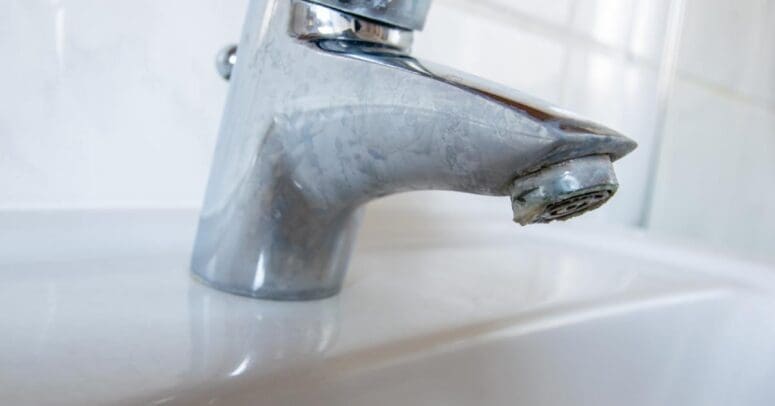
I’ll be honest with y’all—water issues at home can sneak up on you faster than a toddler with a permanent marker. Everything seems fine one day, and the next, you’re staring at rust-colored water coming from your faucet or dealing with that mysterious white buildup on your showerhead.
But here’s the thing: recognizing these water issues early can save you from bigger headaches down the road. I want to walk you through the most common water problems that show up in homes like ours, what causes them, and what you can do about them. Trust me, a little knowledge goes a long way when it comes to protecting your family and your home.
Hard Water Makes Everything More Difficult
Hard water might sound harmless, but it creates problems that touch nearly every corner of your home. This happens when your water contains high levels of minerals like calcium and magnesium. These minerals pick up as water travels through rock and soil before reaching your pipes.
Y’all will know you have hard water when soap doesn’t lather well, leaving that filmy feeling on your skin after showers. Your dishes might come out of the dishwasher with spots, no matter how much rinse aid you use, and clothes can feel stiff and look dingy even after washing. The mineral buildup also clogs up appliances, making your water heater work harder and shortening the life of your washing machine and dishwasher.
Solution
The solution usually involves installing a water softener system. These systems replace the problematic minerals with sodium or potassium through an ion exchange process. While the upfront cost might make you wince, most families save money in the long run through reduced soap usage and longer-lasting appliances.
Discolored Water Signals Serious Issues
Nothing makes your stomach drop quite like turning on the tap and seeing brown, yellow, or red water flow out. Discolored water usually points to problems with your pipes or the municipal water supply, and it’s not something you want to ignore.
Rusty or brown water typically means iron has made its way into your water supply. This can happen when old iron pipes corrode inside your home or in the city’s distribution system. Yellow water can indicate rust problems, too, but it might also suggest issues with your water heater. Green or blue tints usually point to copper pipe corrosion, which can create health concerns if the levels get too high.
Solution
If you need to fix discolored water in your home, start by determining whether the issue affects hot water, cold water, or both. Run your taps for several minutes to see if the water clears up. Then, contact your water company to ask about any known issues in your area. For persistent problems, you’ll likely need a plumber to inspect your pipes and possibly a water treatment specialist to test your water quality.
Low Water Pressure Frustrates Everyone
Few things are more annoying than a shower that barely trickles or a kitchen sink that takes forever to fill a pot. Low water pressure can turn simple tasks into time-consuming ordeals, and it often gets worse gradually, so you might not notice the problem until it becomes really obvious.
Mineral buildup is frequently the culprit behind pressure problems. In homes with hard water, calcium and lime deposits accumulate inside pipes over time, narrowing the space where water can flow. Showerheads and faucet aerators are particularly vulnerable to these blockages because of their small openings.
Sometimes, low pressure indicates more serious plumbing issues. Leaks in your main water line can reduce pressure throughout your home. Old, corroded pipes might be partially blocked by rust and debris.
Solution
Start troubleshooting by checking whether the problem affects your whole house or just certain areas. Clean showerheads and faucet aerators by soaking them in vinegar overnight. If that doesn’t help, you’ll probably need a plumber to investigate further. They can test your water pressure at different points in your plumbing system to pinpoint where the problem starts.
Strange Tastes and Odors Signal Water Quality Issues
Water should be virtually tasteless and odorless, so when you notice something off, pay attention. Your taste buds and nose can detect water quality problems that aren’t always visible to the eye.
Metallic tastes often indicate high levels of iron, copper, or other metals in your water. This can happen with corroded pipes or well water that naturally contains these minerals. Meanwhile, sulfur or rotten egg odors usually point to hydrogen sulfide gas in your water supply. This is more common with well water but can occasionally affect municipal supplies, too. While the smell is unpleasant, low levels of hydrogen sulfide aren’t typically dangerous.
Solution
Y’all can address most taste and odor problems with appropriate filtration systems. Reverse osmosis systems handle a broader range of contaminants. For well water with persistent sulfur smells, you might need specialized treatment equipment.
Frequent Plumbing Clogs Create Ongoing Headaches
If your drains start backing up regularly, water quality might be contributing to the problem. Hard water accelerates soap scum buildup in bathroom drains, while high iron content can create reddish deposits that catch hair and debris. Even relatively minor water quality issues can make normal drain maintenance more challenging.
Kitchen sinks face distinct challenges, especially if your water leaves mineral deposits on dishes and cookware. These same minerals can accumulate in your drain pipes over time. Garbage disposals can also struggle more when hard water interferes with proper rinsing.
Toilet clogs might happen more frequently if your water contains high levels of minerals or sediment. The buildup can reduce the effectiveness of each flush, leading to incomplete waste removal and eventual blockages.
Solution
Enzyme-based drain cleaners can break down organic buildup. For mineral deposits, occasional vinegar treatments can dissolve some of the accumulation. However, persistent clogging problems usually require professional drain cleaning to remove years of buildup.
Taking Action Protects Your Family and Home
Water problems rarely fix themselves, and in my experience, waiting usually makes solutions more expensive. Start by having your water tested to identify specific issues affecting your home.
Keep records of any water issues you notice, including when they occur and which fixtures they affect. This information helps plumbers and water treatment professionals diagnose problems more quickly. Take photos of discolored water or mineral buildup to show service providers.
Don’t hesitate to consult professionals for persistent or serious water issues in your home. Plumbers can identify pipe problems that contribute to water quality issues, and water treatment specialists can recommend systems tailored to your specific water chemistry and household needs.
Regular maintenance prevents many water problems from getting worse. Replace filter cartridges on schedule, clean faucet aerators and showerheads periodically, and have your water heater inspected annually to catch corrosion problems early. Trust me, y’all—you’ll thank me when you catch a small issue that could have been much, much worse.