Ryan Kavanaugh and The AI Studio Trying to Change the Future of Hollywood
Hollywood has a problem. Original films are harder to get made, production costs keep rising, and studios are increasingly relying on franchises, sequels and familiar IP.
Now, a new company called Acme AI & FX believes it may have an answer.
The company has been operating quietly for nearly two years, building what it calls an ethical, talent-friendly AI studio. Its aim is simple: use AI to make filmmaking cheaper and faster without replacing the people who make films.
That distinction is important. Acme is not pitching itself as a company that removes actors, writers, directors or production crews from the process. Instead, it uses AI to create photorealistic digital environments around live human performances.
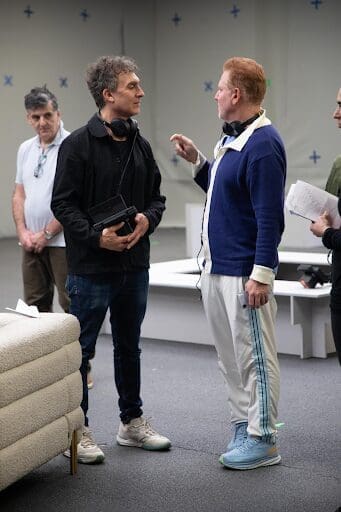
Actors perform on Acme’s proprietary grey stage. Directors still direct. Writers still write. Department heads still oversee their departments. What changes is the need for some of the most expensive parts of production: large location shoots, physical set construction, travel, permits, weather delays and logistical overruns.
The company says its technology can cut shoot schedules by 60 to 70 percent and deliver films at around 20 percent of traditional below-the-line costs. If that works consistently, it could change the economics of making original movies.
That matters because the industry has become increasingly risk-averse. Hollywood’s share of qualified film and television projects reportedly fell from 23 percent in 2021 to 18 percent two years later. Entertainment layoffs have mounted, and filming activity in Los Angeles has declined sharply since 2022.
For many filmmakers, the problem is no longer whether a script is good. It is whether the budget makes sense.
Acme’s first major test is Killing Satoshi, a conspiracy thriller directed by Doug Liman and starring Casey Affleck, Pete Davidson, Gal Gadot and Isla Fisher. The film follows the mystery of Satoshi Nakamoto, the anonymous creator of Bitcoin, and the powerful interests that may want his identity to remain hidden.
The project was shot entirely on Acme’s grey stage with AI-generated environments. It is exactly the kind of original, non-franchise film that has become harder to finance through the traditional studio system.
Acme is also working as the VFX and AI partner on Stop That Train, a new film from Adam Shankman, and says it has more than 15 film and television projects in various stages of development and production.
The company’s leadership includes Ryan Kavanaugh, Garrett Grant, Lawrence Grey and Matthew Kavanaugh. Ryan Kavanaugh is a familiar and sometimes controversial figure in Hollywood, best known for founding Relativity Media and helping pioneer finance models that changed how films were funded.
His supporters point to his track record in slate financing, early streaming deals and film-to-TV IP strategies. His critics point to Relativity’s bankruptcy and the public disputes that followed. Acme now represents another attempt to reshape the economics of the industry.
The timing is significant. Hollywood is still wrestling with the role of AI after years of labour tension, cost pressure and uncertainty about the future of production. Many fear that AI will eliminate jobs. Acme’s pitch is that the technology can protect jobs by making more projects financially possible.
If the company can prove its model works, it could help revive a category of filmmaking that has been squeezed out of the market: original, mid-budget, talent-led movies.
Hollywood may not need fewer humans. It may need a cheaper way to let them create.