
Protecting Your Property: Electrical, Restoration, and Pest Control Solutions

Our homes represent more than just shelter; they are significant investments and often the backdrop to our most cherished memories. As homeowners, we understand the importance of safeguarding these properties, ensuring they remain safe, comfortable, and valuable for years to come.

Protecting this investment requires more than just occasional fixes. It demands proactive attention and regular maintenance of crucial systems. Neglecting these essential services can lead to minor issues escalating into major, costly problems.
In this extensive guide, we will explore the core pillars of essential home services, focusing on critical areas such as electrical safety, professional restoration, and integrated pest control. Our aim is to empower you with the knowledge needed to maintain your property’s integrity and value well into April 2026 and beyond. By understanding these vital services, we can make informed decisions that ensure our home remains a safe and sound haven.
Maintaining a home involves a diverse array of tasks, from routine upkeep to addressing unexpected repairs. The landscape of essential home services is vast, encompassing everything from the intricate workings of plumbing and HVAC systems to the versatile solutions offered by professional handymen. These services are fundamental to protecting our most significant asset, ensuring its longevity, safety, and comfort.

At the heart of home maintenance are critical systems like plumbing and HVAC. Regular plumbing repairs prevent leaks, clogs, and potential water damage, while consistent HVAC maintenance ensures efficient heating and cooling, contributing to both comfort and energy savings. Beyond these specialized areas, the versatility of handyman services fills a crucial gap, tackling a wide spectrum of tasks that homeowners often find challenging or time-consuming. Many providers boast an impressive range, with some handling over 54 unique services, transforming daunting “to-do” lists into “all done” accomplishments. This comprehensive approach covers residential care, commercial maintenance, and even specialized home watch services for properties needing oversight while owners are away.
Here’s a snapshot of top-rated handyman tasks that frequently fall under essential home services:
- Furniture Assembly: From intricate IKEA builds to complex outdoor patio sets.
- Appliance Installation: Ensuring proper setup and functionality of new appliances.
- Drywall Repair: Patching holes, fixing cracks, and preparing surfaces for painting.
- Minor Plumbing Repairs: Fixing leaky faucets, running toilets, and minor drain clogs.
- Fixture Installation: Hanging shelves, mounting TVs, and installing light fixtures.
- Deck and Fence Repair: Maintaining outdoor structures for safety and aesthetics.
- Painting and Touch-ups: Refreshing interiors and exteriors.
- Door and Window Repairs: Addressing sticky doors, broken latches, or drafty windows.
- Gutter Cleaning: Preventing water overflow and foundation damage.
- General Home Inspections: Identifying potential issues before they become major problems.
Residential vs. Commercial Service Requirements
While the fundamental goal of maintenance remains the same—preserving property integrity—the requirements for residential versus commercial properties often differ significantly. Residential homes typically demand services focused on comfort, aesthetics, and family safety. This might include detailed cleaning, minor renovations, or personalized care plans.
Commercial properties, on the other hand, often require services on a much larger scale, with an emphasis on operational continuity, regulatory compliance, and industrial-grade tools. For instance, a commercial plumbing job might involve larger pipe systems and more complex drainage solutions than a residential one. Similarly, electrical work in a commercial setting often deals with higher voltage systems and specialized equipment, necessitating a different level of expertise and safety protocols. Professional service providers understand these distinctions, ensuring that whether it’s a cozy home or a bustling business, the right tools, skills, and safety standards are applied.
The Role of Professional Handyman Support
Many homeowners find themselves with a perpetually growing list of projects—minor renovations, repairs, and upgrades that never seem to get done. This is where professional handyman support becomes invaluable. Beyond just tackling individual tasks, a skilled handyman acts as a comprehensive solution, capable of managing diverse projects from start to finish. Companies with 25+ years of experience bring not just technical expertise but also a deep understanding of common home issues and effective solutions.
For instance, a local service in Las Vegas prides itself on transforming a homeowner’s “to-do” list into an “all done” list, emphasizing honest pricing and community service. This kind of dedicated support ensures that everything from a squeaky door to a complex installation is handled efficiently and correctly, ultimately protecting the home’s value and providing peace of mind.
Electrical Safety and Modern Infrastructure
The electrical system is the lifeblood of any modern home, powering everything from our daily appliances to advanced smart home devices. Understanding its fundamental components and recognizing potential issues is paramount for safety and efficiency.
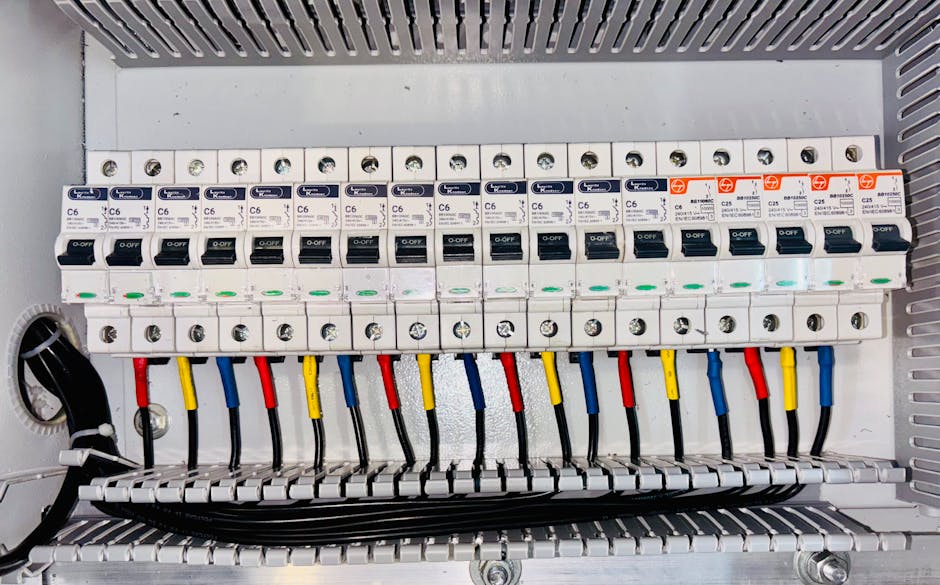
At its core, a home’s electrical framework begins with main service wires that deliver power from the utility grid. This power then flows into the main service panel, where it is distributed through individual circuit breakers to various branch circuits throughout the house. We typically encounter two main types of circuits: 120-volt circuits, commonly used for lighting and standard outlets, and 240-volt circuits, which power larger appliances like electric ranges, clothes dryers, and central air conditioning units. These circuits are protected by breakers with specific amperage ratings (e.g., 15-amp or 20-amp for 120V, and 30-amp to 50-amp for 240V). Ensuring that wiring matches these amperage ratings is crucial to prevent fire hazards, especially when extending circuits or undertaking DIY projects. For those looking to integrate sustainable energy solutions, understanding the nuances of how these systems connect is key; for example, homeowners might explore options for Essential Chicago solar wiring to enhance their home’s energy independence and efficiency.
Modern homes are also increasingly incorporating advanced electrical demands, such as EV charging stations.
A circuit breaker’s primary function is to protect your home’s electrical system from overloads and short circuits. When it “trips,” it’s doing its job by cutting off power to prevent damage or fire. However, a breaker that frequently trips, or exhibits other unusual signs, might itself be faulty and require professional attention.
Key indicators of a bad circuit breaker include:
- Frequent Tripping: If a breaker trips repeatedly without an obvious overload, its internal components may be worn out.
- Burning Odors: A distinct burning smell near the electrical panel indicates overheating, which is a serious fire risk.
- Buzzing Sounds: Unusual buzzing or crackling noises from the panel can signal loose connections or internal damage.
- Visible Damage: Look for scorch marks, discoloration, or physical damage on the breaker itself.
- Stuck Breakers: A breaker that won’t reset or stay in the “on” position even after addressing an overload is likely faulty.
While a tripped breaker can often be reset, a bad breaker needs replacement. Most circuit breakers are designed to last 15-20 years, but factors like high energy consumption in older homes can shorten this lifespan. We strongly advise against DIY replacement due to the high risks involved. If you notice any of these signs, it’s crucial to contact a licensed electrician immediately.
Enhancing Property Value with EV Charging Stations
As electric vehicles (EVs) become increasingly common, installing an EV charging station at home is no longer just a luxury but a significant enhancement to property value and modern living. For owners of high-performance EVs like the Porsche Macan 4 Electric, a Level 2 charger is often the best option, providing significantly faster charging speeds than a standard wall outlet.
A professional installation typically involves:
- Consultation and Site Inspection: Assessing your home’s electrical capacity and placement options.
- Panel Assessment and Upgrade: Ensuring your electrical panel can safely handle the additional load, potentially requiring an upgrade.
- Charger Selection: Choosing a compatible Level 2 charger (e.g., Porsche’s Home Energy Manager, ChargePoint Home Flex, or even a Tesla Wall Connector with an adapter).
- Permitting and Installation: Obtaining necessary permits and installing a dedicated 240V circuit, often 40-amp or 50-amp, for optimal performance.
- Testing and Activation: Ensuring the charger is fully functional and safely integrated.
Beyond convenience, EV charging stations can qualify for various utility rebates and incentives, offsetting installation costs and making your home more attractive to future buyers. Integrating smart home features with your charger allows for app control, scheduling, and energy monitoring, further streamlining your daily routine.
Restoration and Structural Protection
Our homes are constantly exposed to environmental factors that can threaten their structural integrity and overall health. From the slow creep of moisture to the sudden impact of a storm, vigilance and timely intervention are key to preventing minor issues from becoming catastrophic.
Water damage, mold remediation, and fire safety are critical concerns that demand our attention. A small roof leak, if left unaddressed, can lead to extensive water damage, mold growth, and compromised structural components, potentially costing tens of thousands of dollars to repair. Similarly, fire hazards lurk in unexpected places: creosote buildup in chimneys, clogged dryer vents, and even mold and air pathogens in HVAC ducts. These issues not only pose health risks but also represent significant threats to our property. When disaster strikes, having access to Essential emergency restoration services is crucial for mitigating damage and beginning the recovery process swiftly and effectively. Protecting our biggest investment means being proactive in identifying and addressing these vulnerabilities.
Preventing Major Issues through Professional Inspections
The adage “an ounce of prevention is worth a pound of cure” holds especially true for home maintenance. Regular professional inspections are perhaps the most effective strategy for preventing major issues. Experts can identify subtle signs of wear, potential vulnerabilities, and emerging problems long before they escalate into costly repairs or safety hazards.
For instance, a routine roof inspection can detect loose shingles or minor leaks that, if ignored, could lead to extensive water damage. Similarly, an HVAC technician can spot issues with your system that impact air quality and efficiency. This early detection not only saves money in the long run but also preserves the structural integrity of your home, safeguarding your investment. Companies that boast a 98% client satisfaction track record often achieve this by prioritizing thorough inspections and proactive solutions, demonstrating the value of professional oversight.
Integrated Pest Management for Home Longevity
Pests are more than just an annoyance; they can be a significant threat to our homes and health. Termite infestations can silently chew through wooden structures, compromising the foundational integrity of a house. Rodents can gnaw through electrical wiring, creating fire hazards, and contaminate food sources. Beyond these, various insects can spread diseases and damage property.
Effective pest management isn’t just about reacting to an infestation; it’s about integrated, seasonal prevention. This involves regular inspections, sealing entry points, and applying targeted treatments to keep pests at bay. For comprehensive protection against these unwelcome guests, homeowners often turn to essential pest control services that offer tailored solutions. By proactively managing pests, we not only protect our home’s structural components but also ensure a healthier living environment for our families.
Professional Vetting and Maintenance Scheduling
Choosing the right professionals for essential home services is as critical as identifying the services needed. With so many providers available, knowing how to vet them and when to schedule routine maintenance can make all the difference in protecting your property.
When entrusting our homes to others, we prioritize reliability and expertise. This means looking for licensed and insured professionals who have undergone rigorous background checks. A high average customer rating, such as 4.9 stars, and a proven track record, like 999+ customers served, are strong indicators of quality and trustworthiness. These metrics reflect a commitment to customer satisfaction and consistent service delivery.
To help homeowners stay on top of their property’s needs, here’s a list of seasonal and annual maintenance tasks:
- Spring (March-May):Inspect roof and gutters for winter damage; clean gutters.
- Check exterior for cracks, peeling paint, or loose siding.
- Service HVAC system (AC tune-up).
- Test GFI outlets and smoke/carbon monoxide detectors.
- Clean dryer vents.
- Inspect sprinkler system.
- Summer (June-August):Inspect and repair decks, patios, and fences.
- Clean windows and exterior surfaces.
- Check for pest activity (e.g., ants, wasps).
- Trim trees and shrubs away from the house.
- Clean garbage disposal.
- Fall (September-November):Service HVAC system (furnace tune-up).
- Inspect and clean chimney if used regularly.
- Winterize outdoor faucets and irrigation systems.
- Clear leaves from gutters and downspouts.
- Seal drafts around windows and doors.
- Winter (December-February):Check insulation in attic and crawl spaces.
- Test sump pump operation.
- Inspect water heater for leaks or efficiency issues.
- Check for ice dams on the roof.
- Ensure proper ventilation to prevent moisture buildup.
- Annually (any time):Deep clean carpets and upholstery.
- Inspect electrical panel and wiring.
- Check plumbing for leaks or corrosion.
- Review home insurance policy.
Preparing Your Home for Professional Services
Once you’ve scheduled a professional service, a little preparation can go a long way in ensuring a smooth and efficient visit. Clearing workspaces is paramount; move furniture, clear countertops, and remove any fragile items from the area where technicians will be working. This not only speeds up their process but also prevents accidental damage.
Documenting issues beforehand can also be incredibly helpful. Take photos or videos of the problem, note down any unusual sounds or smells, and be ready to explain the history of the issue. If you have pets, ensure they are secured in a safe area to prevent them from interfering with the work or getting injured. For services that require access while you’re away, some companies offer secure key management systems, providing peace of mind that your home is accessible when needed but secure otherwise.
The Economics of Maintenance Plans
While individual repairs can be costly, proactive maintenance through service plans often proves to be a smart financial decision. Many providers offer comprehensive maintenance plans that bundle multiple services throughout the year, often at a significant discount compared to paying for each service individually.
For example, some plans are priced as much as 40% below retail rates for comparable services, offering substantial savings. These plans might include monthly technician visits to perform pre-scheduled tasks like gutter cleaning, drain maintenance, GFI outlet testing, and even vacation coverage to oversee your home while you’re away. By investing in a maintenance plan, homeowners can budget more effectively, avoid unexpected major expenses, and ensure their property remains in optimal condition, year-round.
Frequently Asked Questions
What are the typical costs and guarantees for essential home services?
The cost of essential home services can vary widely depending on the type of service, the complexity of the job, geographic location, and the specific provider. For instance, minor handyman tasks might range from $75 to $200 per hour, while specialized services like electrical repair could average around $160, and emergency plumbing might be about $150. Comprehensive home maintenance plans can offer significant savings, with some providers quoting plans at 40% below retail rates for bundled services.
Regarding guarantees, many reputable companies offer satisfaction guarantees, professional repair service guarantees, or “happiness guarantees.” These often include commitments to re-do work if a client isn’t satisfied (sometimes within a 48-hour window) or provide a full refund. Discounts are also common, with some companies offering coupons for specific installations, like $100 off water heater installation or 10% off any install or repair up to a certain amount. It’s always advisable to get a detailed quote and inquire about guarantees before committing to any service.
What specific handyman tasks fall under essential home services?
Essential handyman services cover an incredibly broad spectrum of tasks, designed to address the diverse needs of both residential and commercial properties. These can range from minor repairs to significant renovations, aiming to keep a property functional, safe, and aesthetically pleasing. Based on our research, some providers handle over 54 unique services. Common tasks include:
- Assembly: Furniture, shelving units, gym equipment.
- Installations: Appliance installation (dishwasher, garbage disposal), light fixtures, ceiling fans, smart home devices, EV charging stations.
- Repairs: Drywall patching, door and window repairs, minor plumbing (leaky faucets, running toilets), minor electrical (outlet repair, switch replacement), fence and deck repairs.
- Maintenance: Gutter cleaning, pressure washing, routine inspections, filter changes (HVAC, water).
- Renovations: Minor kitchen and bathroom remodels, painting, flooring repairs.
- Outdoor tasks: Irrigation system repair, landscaping touch-ups, shed assembly.
Essentially, if it’s a repair, installation, or maintenance task that doesn’t require a highly specialized trade license (like major electrical rewiring or structural engineering), a skilled handyman service can likely handle it.
How can I get started with booking essential home services in my area?
Getting started with booking essential home services is easier than ever in April 2026, thanks to online platforms and streamlined processes. Here are the typical steps:
- Identify Your Need: Clearly define the service you require (e.g., “HVAC repair,” “dryer vent cleaning,” “EV charger installation”).
- Search Locally: Use online search engines, local directories, or service aggregator platforms (like Thumbtack or Yelp) to find providers in your area. Many websites allow you to enter your zip code to verify service availability.
- Request Quotes: Most service providers offer online quote forms or instant quote tools. Provide as much detail as possible about your project to get an accurate estimate. Be wary of companies that demand upfront payment without a clear quote or assessment.
- Check Credentials and Reviews: Verify that the professionals are licensed and insured. Read customer reviews and testimonials on independent platforms to gauge their reputation and quality of work. Look for high average ratings and positive feedback.
- Inquire About Guarantees: Ask about their satisfaction guarantees, warranties on parts and labor, and emergency service availability (especially for plumbing or electrical issues).
- Schedule the Service: Once you’ve chosen a provider, schedule your appointment. Many platforms allow online booking and management of services. For emergencies, most providers offer 24/7 contact options.
Don’t hesitate to ask questions if you’re unsure about a service or process. Reputable providers will always offer honest advice and transparent communication.
Conclusion
Our homes are more than just structures; they are central to our lives, representing significant financial and emotional investments. As we look towards April 2026 and beyond, the importance of proactive maintenance and professional expertise in safeguarding these properties becomes increasingly clear. From the intricate networks of our electrical and plumbing systems to the structural integrity protected by restoration and pest control, each essential home service plays a vital role in ensuring longevity, safety, and comfort.
By understanding the core pillars of home maintenance, recognizing the signs of potential issues, and diligently choosing licensed and insured professionals, we empower ourselves to protect our property effectively. Embracing regular inspections, leveraging comprehensive maintenance plans, and being prepared for emergencies are not merely tasks but strategic decisions that contribute to sustained property value and, most importantly, our peace of mind. Investing in these essential services today is investing in a secure and thriving home for tomorrow.