Planning a Pool at Home? Start With These Crucial Decisions
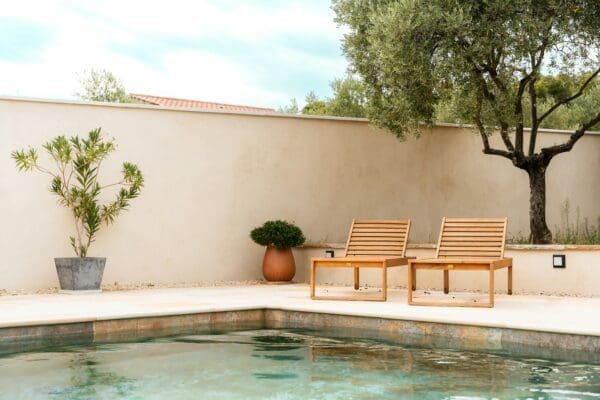
A backyard pool is more than just a place to swim—it’s a private oasis, a personal fitness center, and the ultimate social hub for friends and family. However, before the first shovel hits the dirt, the success of the project relies entirely on the decisions made at the drawing board.
Managing the logistics of construction, materials, and maintenance can feel overwhelming, but a little foresight goes a long way. The goal is to simplify the complex planning process into manageable, high-priority choices that align with your lifestyle and budget. By addressing the big questions early, you ensure that the investment brings years of relaxation rather than unexpected stress.
Below is a roadmap of the most critical decisions to make before beginning a pool installation.
Define the Primary Purpose of Your Pool
Before thinking about materials, shapes, or finishes, start by asking how you truly plan to use the pool. Some families want a fun, shallow area where kids can safely play, while others envision a quiet retreat for relaxation after work. For some homeowners, the goal is fitness and lap swimming, while others want an entertainment hub for hosting friends and gatherings.
The pool’s primary purpose shapes everything else, including its size, depth, features, and layout. A pool designed for exercise will need a longer, straighter shape, while a family-oriented pool may include tanning ledges, steps, and varied depths. Clarifying this purpose helps guide every other decision with clarity and intention.
Choose the Right Pool Type
Different pool materials offer different advantages. Concrete pools are highly customizable and durable, making them ideal for homeowners who want complete design flexibility. Fiberglass pools are known for quicker installation and lower maintenance, while vinyl liner pools offer a more budget-friendly entry point but may require liner replacements over time.
Each material behaves differently in various climates and soil conditions, so understanding the long-term performance of each type is crucial. The right pool type should align with your design goals, maintenance preferences, and budget expectations.
Decide on Pool Shape and Size
Pool shape and size should always reflect both the available backyard space and how you plan to use the pool. Rectangular pools offer clean, modern lines and are especially practical for lap swimming and structured layouts. They work well in organized spaces where symmetry and functionality are priorities.
However, if you’re looking for custom pool construction that feels more natural and visually integrated into your outdoor setting, freeform designs are often a better choice. These pools use curves and flowing lines to blend seamlessly with landscaping. This is where professional planning becomes essential. Crystal Cove Pool & Spa brings expertise in freeform pool design, helping you create unique shapes that complement your backyard environment.
Understand Local Regulations and Permits
Pool construction is governed by local zoning laws, safety regulations, and permit requirements. These rules often dictate the distance from property lines, the required fencing type, and the safety features required.
Failing to consider these requirements early can lead to construction delays or costly modifications. Researching and addressing these rules during the planning stage prevents unnecessary obstacles later in the process.
Budget Beyond Installation
The visible pool structure is only part of the overall cost. Filtration systems, pumps, heaters, lighting, decking, landscaping, and water features all contribute to the final investment. Additionally, ongoing expenses such as maintenance, water treatment, and energy use should be factored into the decision.
Planning a realistic budget that includes both installation and long-term upkeep helps avoid financial surprises and ensures you can maintain the pool comfortably over time.
Pick the Right Location in Your Yard
Where you place the pool significantly affects comfort and maintenance. Pools placed under trees may collect leaves and debris constantly, while pools with too much shade may feel cold and less inviting. Sun exposure, privacy, and easy access from the house all influence how often the pool will be used.
A well-chosen location enhances enjoyment while reducing cleaning effort and long-term upkeep.
Decking, Surroundings, and Aesthetics
The area around the pool contributes just as much to the experience as the pool itself. Decking materials such as pavers, concrete, or wood each create a different visual and functional effect. Landscaping, seating, lighting, and shade structures turn the pool into a complete outdoor living space.
Planning these elements alongside the pool ensures the entire backyard feels cohesive rather than pieced together later.
Conclusion
A pool is a long-term addition to your home, so the decisions you make early matter the most. By thinking through the purpose, design, placement, and safety features in advance, you ensure the pool fits both your space and your lifestyle. Careful planning helps you avoid costly mistakes and creates a backyard space you’ll enjoy for years to come.