Pet Aquamation: A Gentle and Eco-Friendly Alternative for Aftercare
When the time comes to say goodbye to a beloved pet, many owners want an option that is both compassionate and considerate of the environment. Pet aquamation has emerged as a preferred choice for those seeking a sustainable and tender method for aftercare. Through an innovative process that uses water and natural alkali, aquamation is designed to gently return a pet to the natural elements, sparking interest among eco-conscious families. For pet owners curious about how long the process takes, this resource explains the Pet aquamation timeframe in detail, ensuring you know what to expect.
The gentle nature of aquamation is drawing attention as people learn more about its environmental and emotional benefits. Unlike traditional cremation, which employs high temperatures and open flames, aquamation mimics the natural decomposition that occurs in soil, but in a controlled and expedited manner. This alternative provides pet families with a respectful, environmentally responsible way to honor their companion’s memory.
Conversations about pet aftercare are evolving. As aquamation grows in popularity, more pet owners appreciate its benefits not only for their connection to their pets but for the planet as well. Knowledge of the choices available allows families to make decisions that best suit their values at a difficult time.
While many focus on emotional closure, the ecological footprint of an aftercare method is increasingly significant. Aquamation stands out as a way to care for a pet’s memory in harmony with the environment, contributing to a movement toward greener lifestyles in all aspects of life and loss.
Understanding Pet Aquamation
Pet aquamation, formally known as alkaline hydrolysis, is an innovative process in which a pet’s body is placed in a vessel filled with a solution of water and a small amount of potassium hydroxide or sodium hydroxide. This mixture is heated and gently circulated, accelerating the natural breakdown of organic material. After several hours, the only solid remains are purified bone fragments, which are dried and processed into a powdery, white ash that owners can choose to keep, scatter, or bury.
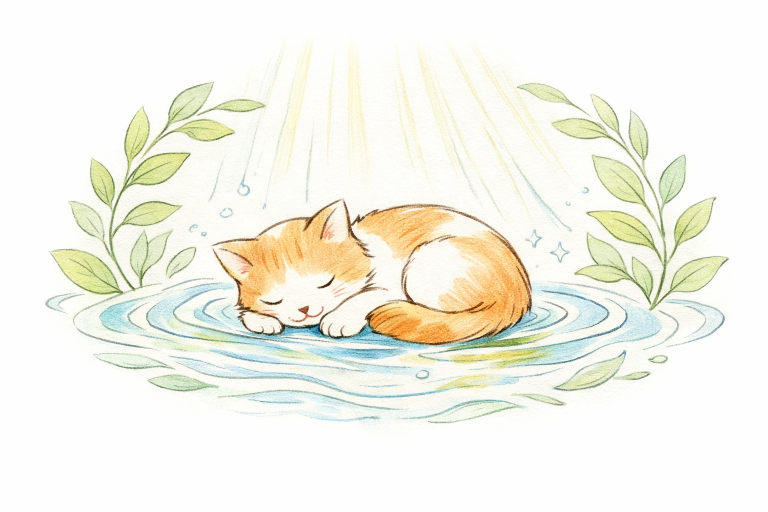
Unlike flame cremation, aquamation doesn’t burn the remains. It eliminates many potential pollutants, such as airborne mercury from dental fillings or other contaminants, making it a cleaner and more controlled aftercare method for pets. Families receive more remains following aquamation, as soft tissue is removed thoroughly, and the resulting ashes are often lighter in color and texture. For further insights on environmentally friendly aftercare, major publications like National Geographic have explored how pet aquamation is changing the landscape of pet loss services nationwide.
Environmental Benefits of Aquamation
The ecological advantages of aquamation make it a standout choice for contemporary pet owners. The process uses about one-twentieth of the energy required by flame-based cremation and emits no greenhouse gases or dangerous particulates. Plus, it results in no direct releases to the air, soil, or groundwater beyond the harmless nutrient-rich solution left behind, which is often returned to the environment in accordance with local regulations.
According to research cited by National Geographic, aquamation offers a true reduction in carbon emissions and environmental impact associated with pet aftercare. This responsive approach aligns with the wishes of pet owners seeking greater environmental stewardship at every stage of life.
Comparing Aquamation to Traditional Cremation
When evaluating aquamation alongside conventional cremation, the differences are meaningful for families invested in greener living and respectful remembrance:
- Energy Use: Aquamation uses a fraction of the energy consumed by typical cremation machinery.
- Emissions: Traditional cremation can release greenhouse gases and volatile compounds, whereas aquamation avoids air pollution entirely.
- Return of Ashes: Families receive up to 20 percent more ashes from aquamation, providing a fuller keepsake or memorial opportunity.
These substantial distinctions make aquamation an appealing option for those who want to minimize environmental harm while honoring a cherished companion.
Availability and Accessibility of Aquamation Services
The growth in demand for aquamation has led to increased access. Pet aftercare providers across the country, including companies like Delaware Pet Aquamation, are expanding their offerings to include this advanced process. As awareness spreads and more facilities gain necessary equipment and certifications, families now have more meaningful choices for compassionate pet aftercare. If you are interested in finding a provider in your area, it’s helpful to check online directories or contact local veterinary clinics for recommendations.
Cost Considerations
The price of aquamation varies depending on factors such as the size of the pet, the location, and the desired services like memorial urns or plaques. In most regions, the cost falls within a similar range to that of traditional flame-based cremation. While some families may find prices slightly higher, the unique benefits in return often justify the expense. It’s wise to request a detailed quote from local providers to ensure transparency and avoid any unexpected fees.
Making an Informed Decision
Selecting the right aftercare method for your pet is deeply personal. Learning about aquamation’s gentle approach, environmental impact, and cost allows pet lovers to make informed, meaningful choices. As service options expand and education improves, aquamation is set to become the standard for those hoping to preserve their pet’s memory in a dignified and environmentally conscious way.
In summary, pet aquamation is redefining how we honor our animal companions, providing a gentle, sustainable, and increasingly available alternative to flame-based cremation. By offering peace of mind to pet owners and minimizing impact on the natural world, aquamation stands as a compassionate choice during one of life’s most sensitive moments.