Moving Stress-Free: Your Planning Guide

Moving marks a significant milestone in anyone’s life—a fresh start, a chance to reorganize, and often, the hope of better opportunities. Yet, the process can be both thrilling and overwhelming, mainly because of the logistics and emotions involved. Whether moving across town or embarking on a long-distance relocation, the key to enjoying the process rather than dreading it lies in strategic, careful planning. Adopting a thoughtful approach to each stage of your move will make the journey much smoother. Many families discover that relying on professional residential moving services not only streamlines the logistics but also minimizes the physical exertion and mental load that can accumulate before, during, and after moving day.
If you’d like your move to be less stressful and more exciting, the comprehensive steps outlined below will guide you. With a plan, you’ll tackle essential tasks at the right time and enter your new space with energy and optimism.
Start Planning Early
Successful, low-stress moves begin with proactive and thoughtful planning. Preparing at least two months before your intended moving date is best. Giving yourself this lead time allows you to break the process into manageable steps—perhaps focusing one week on sorting essential documents, the next on arranging school or medical record transfers, and later on scheduling utility changes or address updates. Early preparation also gives you the advantage of comparing rates and services when choosing professional movers, ensuring you find a team that fits your budget and needs. You’ll also be able to shop for reliable packing supplies and develop a clear moving budget. This gradual, organized approach helps you avoid the chaos of last-minute decisions, reduces emotional strain, and allows you to respond calmly to unexpected complications. Careful planning lays the groundwork for a smoother, more confident move, handling every detail with intention rather than urgency.
Declutter Before Packing
The weeks leading up to your move present a rare opportunity to reevaluate what you own and make intentional choices about what to bring to your next home. Decluttering reduces the time it takes to pack and unpack and significantly cuts moving costs, especially since many movers charge by the volume or weight of your belongings. Begin by tackling one space at a time—a closet, a storage room, the garage—then sort every item into four simple categories: keep, donate, sell, or toss.
- Keep: These are your everyday essentials and irreplaceable sentimental items—family photo albums, important documents, or cherished mementos that enrich your life.
- Donate: If you have gently used clothes, appliances, or furniture that you no longer need, consider donating them to local charities or shelters. This will make a positive impact on your community.
- Sell: Valuable items like electronics, decor, or antique pieces can be sold online or at a yard sale, helping offset moving expenses and easing financial stress.
- Toss: Anything broken, heavily worn, or outdated should be responsibly recycled or discarded. There’s no sense in moving clutter that will never serve you again.
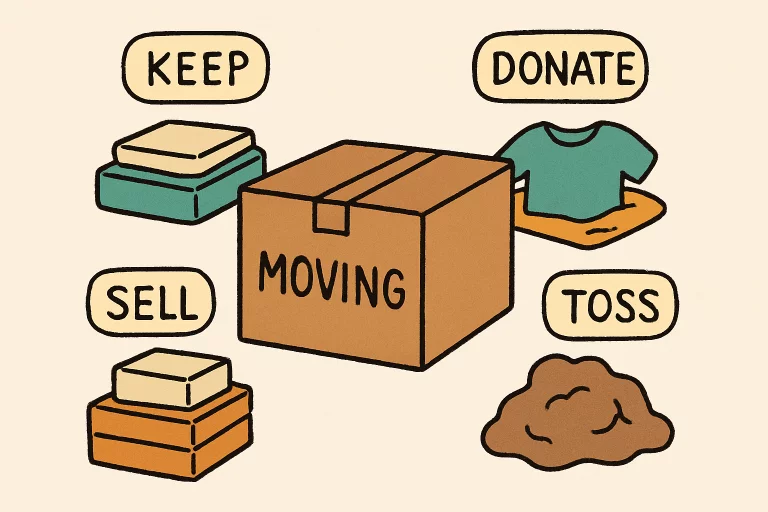
This process lightens your load and ensures that your new living environment feels organized and fresh from day one. Decluttering now saves you from organizing unnecessary items later, helping you start the next chapter in a more streamlined, intentional way.
Use High-Quality Packing Materials
The way you pack your possessions can mean the difference between damaged goods and a seamless move. Skimping on supplies often results in broken valuables, frustration during unpacking, and unnecessary delays. Focus on investing in sturdy, new boxes (as old or reused boxes may be weakened and less protective), reliable packing tape, bubble wrap, and moving blankets for fragile or bulky items. Labeling each box with its contents and intended room using bold, legible writing speeds up unpacking and helps movers know exactly where to place boxes upon arrival. Consider using a color-coded system or numbering boxes to correspond with an inventory list for added organization. This way, nothing gets lost in the shuffle, and you know exactly where your most essential items are. By protecting your belongings now, you reduce headaches and make your adjustment to a new home smoother and safer.
Notify Important Parties
A seamless move isn’t just about moving things; it’s about ensuring your life continues smoothly in your new location. Timely notification of your move to relevant contacts and institutions is key to avoiding missed bills, service disruptions, or lost deliveries. Start with a written checklist and work through it step by step, informing:
- Utility providers: Schedule your current utility shut-off and new service set-ups—this applies to electricity, water, gas, internet, trash, and any special providers you use.
- Banks and credit card companies: Update your billing and mailing addresses to keep financial records current and uninterrupted.
- Insurance companies: From health and auto insurance to renters’ or homeowners’ insurance, ensure all your policies reflect your new address.
- Postal and delivery services: Set up mail forwarding with the postal service and update details for recurring subscriptions or online retailers.
- Employment and memberships: Notify HR at your workplace, school administrators, gyms, library, and any other relevant organizations or clubs.
Being proactive here prevents any unwelcome surprises as you settle in and guarantees that your everyday life remains uninterrupted despite the significant change.
Hire Professional Movers
Bringing in seasoned moving professionals is one of the best choices for ensuring a smooth, stress-free move, especially for long-distance or complex relocations. Begin your search by reading online reviews, seeking personal recommendations, and thoroughly comparing price quotes. Make sure every company you consider is fully licensed and insured, and don’t hesitate to ask pointed questions about their process, guarantees, and experience with moves similar to yours. By hiring professional residential movers, you have support for packing delicate items, heavy lifting, and navigating tricky staircases or narrow doorways. Many companies even offer full-service packages with packing, unpacking, and storage solutions, letting you tailor the process to your needs. Entrusting the physical logistics to trained experts safeguards your belongings and frees up mental energy to focus on other critical aspects of your transition.
Pack an Essentials Box
Once everything is boxed up, it’s easy to overlook daily necessities buried under layers of other belongings. Avoid this by preparing a dedicated “essentials box” or “first night kit”—a single container of the items you’ll want immediate access to when you arrive. This box should be packed last and opened first, and might include:
- Basic toiletries like your toothbrush, toothpaste, soap, and a roll of toilet paper
- A change into comfortable clothes and pajamas
- Snacks, bottled water, and perhaps an electric kettle or coffee maker
- Essential daily medications, basic first aid supplies, and vitamins
- Chargers and devices, critical paperwork such as identification, lease documents, or insurance information
Having these items handy makes your first night and morning stress-free, so you don’t have to rummage through boxes searching for something you need right away.
Take Care of Your Health
The physical and emotional demands of moving should not be underestimated. Prioritizing self-care is critical so you don’t become overwhelmed or physically exhausted. Keep healthy snacks and plenty of water close by, especially during packing and moving day. Schedule breaks and never hesitate to rest if you start to feel fatigued. Stretch before and after periods of heavy lifting, and be attentive to any pain or discomfort—injuries can easily derail even the best-laid plans. Most importantly, don’t be afraid to ask friends or loved ones for help; sharing the workload makes the process more enjoyable and dramatically reduces stress. Keeping self-care at the forefront ensures a healthy transition, ready to enjoy everything your new home and neighborhood offer.
Manage Moving Day Efficiently
Moving day tends to be the most demanding part of the moving process, but with good preparation, it doesn’t have to be chaotic. Confirm all details with your moving company, and give them exact directions and special instructions. Create a detailed checklist to keep track of day-of tasks, such as packing last-minute items, carrying out a final cleaning, and locking up your old home. Assign specific jobs to helpers, if you have them, and keep your essentials box, valuables, and vital documents (including emergency contacts and contracts with your movers) on hand throughout the day. Maintain open communication, be adaptable as small surprises arise, and focus on staying patient and positive. A smooth, well-coordinated moving day paves the way for a genuinely enjoyable fresh start.
By preparing well in advance, staying organized at every step, and drawing on the expertise of trusted professionals, you can transform moving from a source of anxiety into an adventure that launches you into your next chapter ready, relaxed, and excited.