Medicare Enrollment Process: A Step-by-Step Guide

Medicare is a federal health insurance program designed primarily for individuals aged 65 and older, though certain younger people with qualifying disabilities may also be eligible. This program is divided into four primary parts, each providing unique coverage options for participants. By understanding these components early, you can make informed choices when your enrollment period arrives. If you are preparing to take this critical step, this Medicare enrollment guide provides comprehensive information to help clarify your next steps.
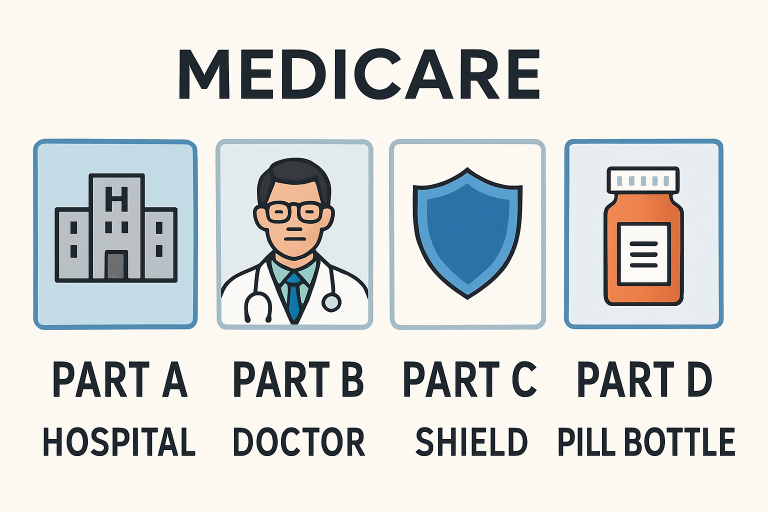
The four parts of Medicare are:
- Part A – Hospital Insurance, which covers inpatient hospital care, skilled nursing facilities, and some home health care.
- Part B – Medical Insurance, which helps pay for doctor visits, outpatient care, preventive services, and certain medical supplies.
- Part C – Medicare Advantage Plans, which are alternatives to Original Medicare offered by private insurers and often bundle additional benefits.
- Part D – Prescription Drug Coverage, which can be added to Original Medicare or included with some Advantage plans to help cover the cost of medications.
Medicare is vital to many older adults in the United States and helps ensure continued access to crucial healthcare services. With so many options, taking the time to thoroughly review plan details, coverage choices, and potential costs can help you maximize your benefits.
To learn more about policy specifics and stay updated on evolving Medicare guidelines, check out resources from reputable organizations, such as AARP, which offers extensive advice for both new and returning enrollees.
Initial Enrollment Period (IEP)
The Initial Enrollment Period is a crucial seven-month window to keep in mind. It begins three months before your 65th birthday month, includes the birthday month itself, and extends for three months after. Enrolling during your IEP ensures that your medical coverage kicks in smoothly and helps avoid late penalties, which can otherwise become permanent surcharges added to your monthly Medicare premium.
General Enrollment Period (GEP)
If you did not sign up during your IEP, you have another chance to enroll through the General Enrollment Period. This runs from January 1 to March 31 each year. Enrollment during this time means your Medicare coverage begins the following month. However, keep in mind that you may face late enrollment penalties if you delay signing up for Parts A or B without qualifying coverage elsewhere.
Special Enrollment Periods (SEPs)
Medicare understands that life events sometimes complicate timely enrollment. Special Enrollment Periods allow you to apply for Medicare outside the usual windows if you meet certain conditions. Common triggers include losing employer-based coverage, moving to a new service area, or experiencing other significant changes affecting your insurance. SEPs help you maintain continuous coverage and avoid unnecessary penalties.
Medicare Advantage Open Enrollment Period
Between January 1 and March 31, individuals who have already enrolled in a Medicare Advantage plan have the flexibility to switch to a different Advantage plan or return to Original Medicare. This period offers an annual opportunity to assess your plan’s network, costs, and benefits, and to make changes that better suit your current medical needs or provider preferences. For detailed comparisons of plan choices nationwide, visit KFF’s overview of Medicare Advantage.
Steps to Enroll in Medicare
- Determine Your Eligibility: Most people qualify based on age, but individuals with specific disabilities or conditions (such as end-stage renal disease) may also be eligible earlier.
- Gather Necessary Documents: Collect personal ID, residency proof, and relevant employment or union information. This helps avoid any delays during the application process.
- Choose Your Coverage: Consider whether the flexibility of Original Medicare or the bundled features of a Medicare Advantage plan are best for you. Also, review the value of adding Part D if you take regular prescriptions or anticipate needing medications.
- Enroll: The most straightforward way to apply is online at the Social Security Administration’s website, but you may also enroll by calling or visiting your local Social Security office.
Recent Changes to Medicare Enrollment
Policymakers have made several recent updates to ensure the Medicare enrollment process is as straightforward as possible. For example, new regulations mean coverage now begins the month after you enroll during the General Enrollment Period, rather than requiring a lengthy waiting period. New Special Enrollment Periods have also been added to support people with exceptional circumstances, making sure more Americans can access timely healthcare without disruption. For a comprehensive breakdown of these updates, refer to the Centers for Medicare & Medicaid Services’ official updates.
Resources for Assistance
Navigating Medicare can seem complicated, but there is a wealth of free, unbiased help available. State Health Insurance Assistance Programs (SHIPs) provide one-on-one counseling, while the official Medicare website includes detailed guides, plan comparison tools, and eligibility resources open to all users.
Conclusion
Learning the ins and outs of Medicare enrollment is vital for securing the healthcare protection you need as you age. With a clear grasp of the various enrollment periods, recent changes, and reliable outside resources, you can move forward confidently, knowing you are making the best choices for your health and finances.