Innovative Home Remodeling Trends for 2026
Home remodeling is undergoing a transformation driven by a desire for greater sustainability, flexibility, and livability. With homeowners seeking to improve both the aesthetic appeal and functional utility of their spaces, key trends for 2026 emphasize energy-saving solutions, open floor plans, technological advances, and a stronger connection with nature. For those interested in transforming their living environments with creativity and expertise, SVW Designs offers inspiration and guidance. Staying on top of these trends not only boosts comfort but also preserves and enhances property value in today’s competitive market.
Savvy homeowners are looking beyond surface-level updates by investing in materials and configurations that support their lifestyles for years to come. Increasingly, design choices are informed by a need for flexibility, remote work capabilities, and a mindful approach to energy consumption. The integration of smart technology and biophilic elements has also become a priority for those who value both innovation and wellness. As a result, remodeling projects are evolving to reflect modern expectations for convenience, sustainability, and holistic well-being.
By collaborating with professionals who understand these emerging priorities, homeowners can make decisions that improve both their daily experiences and the overall environmental impact of their renovations. Innovations in material science, digital technology, and spatial configuration are leading to homes that are not only beautiful but also resilient and adaptable to change. Embracing these trends means creating spaces that are future-focused yet firmly rooted in the needs of today.
Sustainable Materials and Energy Efficiency
Sustainability sits at the center of modern home remodeling, with growing demand for environmentally friendly materials and solutions. Homeowners are increasingly opting for products such as recycled glass countertops, bamboo flooring, and low-VOC paints. Appliances and systems designed for greater energy efficiency, such as induction cooktops or ENERGY STAR-rated windows, significantly reduce a home’s carbon footprint. According to the U.S. Department of Energy, energy-efficient upgrades can cut utility bills by as much as 30 percent, turning sustainable investments into practical cost-saving decisions. Solar panels, high-performance insulation, and water-saving fixtures have also become standard elements in many remodels as climate awareness continues to shape consumer choice.
Open-Concept Layouts and Multifunctional Spaces
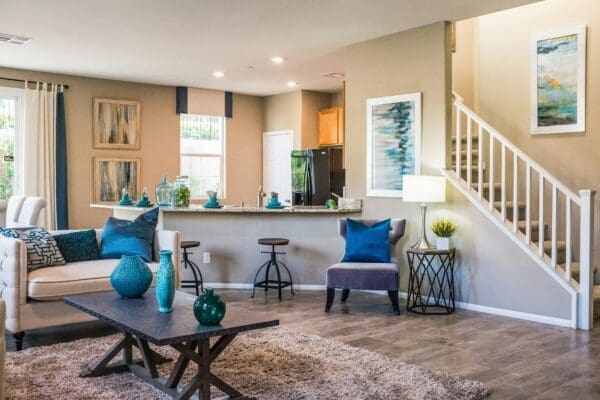
Open-concept floor plans remain at the forefront of home remodeling. Removing unnecessary barriers between kitchens, living areas, and dining spaces fosters a free flow of light and communication, which is especially valued in family-oriented or entertainment-focused homes. The move toward transparency and flexibility extends into the creation of adaptable zones—think home offices that convert into guest bedrooms or workout spaces concealed within living rooms. These multifunctional areas maximize a home’s usable square footage and accommodate changing work and family needs. As remote work becomes more commonplace, spaces designed for multiple roles provide homeowners with the freedom to tailor their environments as lifestyles shift.
Smart Home Technology Integration
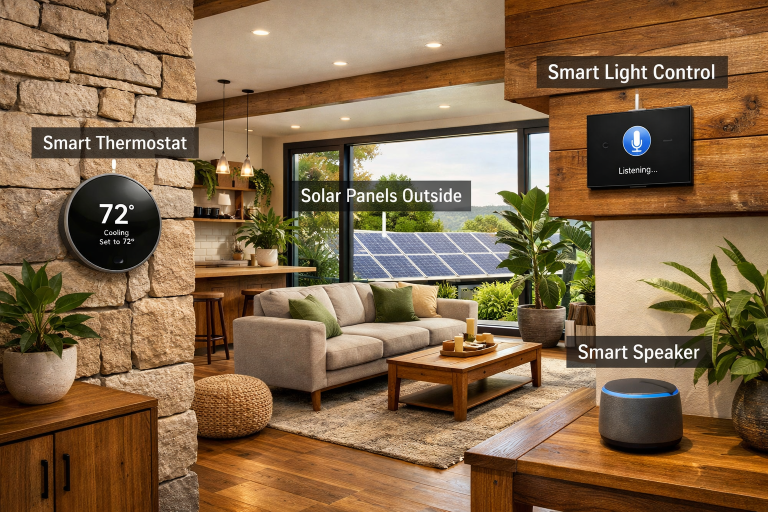
Technological innovation is bringing a new level of sophistication to residential spaces. Smart thermostats, voice-controlled lighting, and interconnected security systems deliver convenience and real-time monitoring capabilities, making home management more efficient. Nearly 70 percent of U.S. households own at least one smart home device, a figure expected to rise as technology becomes even more user-friendly. Automated irrigation systems, leak detectors, and intelligent appliances further optimize resources, ensuring that energy management stays seamless and effective. With remote access available by smartphone or tablet, homeowners are increasingly empowered to control comfort and safety anywhere, anytime.
Biophilic Design Elements
The trend toward biophilic design reflects a broader desire to create healthier indoor environments through natural connections. Features such as expansive windows, skylights, green walls, and abundant indoor plants blur the boundary between inside and out while supporting mental well-being and productivity. The use of wood, stone, or living greenery inside the home introduces pleasing textures and visual interest as well. According to research, biophilic design can lower stress levels and contribute to better cognitive performance. Whether it is a living plant wall in the kitchen or a cluster of potted herbs in the bathroom, small touches of nature are being incorporated throughout modern homes in 2026.
Conclusion
Adopting the latest remodeling trends enables homeowners to create dwellings that reflect their aesthetic preferences while meeting the evolving requirements of daily life. By embracing energy-efficient upgrades, flexible layouts, transformative technology, and elements inspired by nature, anyone can transform an ordinary house into an extraordinary, future-ready home. Keeping up with these innovations not only enhances comfort and livability but also ensures that a property remains valuable and relevant as architectural standards continue to evolve.