Improving Indoor Air Quality and Home Comfort
We often think about outdoor pollution, but the air inside our homes can be significantly more polluted, impacting our health and comfort daily. Given that we spend up to 90% of our time indoors, maintaining excellent Indoor Air Quality is crucial. For residents in Farmington, Utah, understanding and managing indoor air is key to a healthier living environment. Poor indoor air quality can lead to various health issues, from immediate irritations to long-term chronic conditions. This comprehensive guide will explore what indoor air quality entails, its effects on us, and practical strategies we can implement to improve the air we breathe at home, ensuring your home comfort with expert help like S.O.S. Farmington AC and air quality.
Understanding Indoor Air Quality and Its Health Impacts
Indoor Air Quality (IAQ) refers to the characteristics of the air within and around buildings and structures, specifically how it relates to the health, comfort, and well-being of occupants. It’s a critical aspect of our daily lives,. While we might associate air pollution primarily with outdoor environments, the reality is that indoor air can be significantly more contaminated. Studies indicate that indoor air can be anywhere from two to five times, and in some cases even up to 100 times, more polluted than the air outside. This stark difference is particularly concerning given that the average person spends approximately 90% of their time indoors, making our homes, workplaces, and schools primary sites of exposure to airborne contaminants.
The importance of good IAQ cannot be overstated. Poor indoor air quality poses substantial risks to human health, ranging from immediate discomfort to severe, chronic illnesses. When the air we breathe indoors is laden with pollutants, our bodies are constantly working to filter or fight off these foreign substances, leading to a cascade of potential health problems.
Vulnerable populations are particularly susceptible to the adverse effects of poor IAQ. This includes children, whose developing respiratory and immune systems are more sensitive to pollutants; the elderly, who may have weakened defenses or pre-existing health conditions; and individuals with chronic respiratory conditions like asthma or allergies. Moreover, people with compromised immune systems or those of lower socioeconomic status, who may live in older homes with inadequate ventilation or be exposed to higher levels of specific pollutants, face elevated risks. Understanding these exposure pathways is essential for safeguarding everyone’s health. For those seeking a truly objective assessment of their indoor environment, an Unbiased Indoor Air Quality inspection can provide crucial insights into potential issues.
Short-Term and Long-Term Effects of Poor Indoor Air Quality
The health impacts of poor indoor air quality can manifest in both immediate and delayed reactions, affecting our daily comfort and long-term health.
Short-Term Effects: Many common symptoms can be directly linked to acute exposure to indoor air pollutants. These often include:
- Irritation: Eyes, nose, and throat can become irritated, leading to watery eyes, sneezing, coughing, and a scratchy throat.
- Headaches and Dizziness: Poor ventilation and elevated levels of certain chemicals or carbon dioxide can trigger headaches and feelings of lightheadedness.
- Fatigue: A general sense of tiredness or lethargy can be a subtle sign that the air quality is impacting your energy levels.
- Respiratory Symptoms: For individuals with asthma or allergies, poor IAQ can exacerbate symptoms, leading to wheezing, shortness of breath, and asthma attacks. Even those without pre-existing conditions might experience congestion or difficulty breathing.
- Nausea: In some cases, exposure to certain volatile organic compounds (VOCs) or other chemical pollutants can cause feelings of nausea.
These short-term effects can significantly impact productivity, comfort, and overall quality of life, especially for vulnerable populations like the elderly or those with existing respiratory conditions.
Long-Term Effects: Prolonged exposure to poor indoor air quality can lead to much more severe and chronic health problems, some of which are life-threatening.
- Respiratory Illnesses: Chronic exposure to irritants and allergens can contribute to the development or worsening of conditions like bronchitis, emphysema, and chronic obstructive pulmonary disease (COPD). Mold exposure, for instance, is strongly linked to asthma prevalence and severity, particularly in early life.
- Cardiovascular Disease: Research indicates a connection between long-term exposure to particulate matter and other pollutants with an increased risk of heart disease, including heart attacks and strokes.
- Cancer: Some indoor air pollutants are known carcinogens. Radon, a naturally occurring radioactive gas that seeps into homes from the ground, is a prime example. The U.S. Environmental Protection Agency (EPA) estimates that radon is responsible for about 21,000 U.S. deaths from lung cancer annually, making it the leading cause of lung cancer among non-smokers. Other pollutants like formaldehyde, found in many building materials and household products, are also considered probable human carcinogens.
- Cognitive Impairment: Studies have shown that elevated levels of indoor pollutants, particularly CO2 and VOCs, can negatively impact cognitive function, leading to reduced decision-making abilities, slower reaction times, and difficulty concentrating. Office workers in environments with low pollutants and CO2 levels, for example, have demonstrated higher performance measures.
- Global Health Burden: On a global scale, the impact is staggering. The World Health Organization (WHO) estimates that 3.8 million people worldwide die every year from illnesses attributable to harmful indoor air, largely due to pollutants from dirty cookstoves and fuels. The Global Burden of Disease study in 2017 estimated 1.6 million deaths from indoor air pollution, highlighting its pervasive and deadly nature.
Understanding these profound health implications underscores the critical need for effective strategies to improve and maintain excellent indoor air quality in our homes and workplaces.
Common Pollutants and Environmental Factors
The air inside our homes is a complex mixture, often containing a variety of pollutants that originate from both indoor activities and outdoor infiltration. Identifying these common culprits and understanding their sources is the first step toward effective mitigation.
Volatile Organic Compounds (VOCs): These are gases emitted from certain solids or liquids and can be found in a wide array of household products. Common sources include paints, varnishes, wax, cleaning supplies, disinfectants, air fresheners, building materials (like flooring and cabinetry), furnishings, glues, adhesives, and even personal care products. Many VOCs have short- and long-term adverse health effects, including eye, nose, and throat irritation, headaches, nausea, and damage to the liver, kidney, and central nervous system. Some are suspected or known carcinogens.
Mold: Mold spores are ubiquitous, but they thrive indoors in damp, humid conditions. Common sources of moisture that lead to mold growth include leaks, condensation, high indoor humidity (above 60%), and water damage from floods or plumbing issues. Mold can trigger allergic reactions, asthma attacks, and other respiratory problems. The presence of mold also often indicates underlying moisture problems that need to be addressed.
Carbon Monoxide (CO): Known as the “silent killer,” carbon monoxide is an odorless, colorless gas produced by the incomplete combustion of fuels. Sources include unvented kerosene and gas space heaters, leaking chimneys and furnaces, gas stoves, fireplaces, and vehicle exhaust from attached garages. CO poisoning can cause headaches, dizziness, nausea, and in severe cases, unconsciousness, brain damage, or death.
Radon: This naturally occurring radioactive gas is formed from the decay of uranium in soil, rock, and water. It can seep into homes through cracks in foundations, walls, and floors. Radon is invisible, odorless, and tasteless, making detection impossible without testing. As noted earlier, it’s a significant cause of lung cancer deaths in the U.S.
Particulate Matter (PM2.5): These are tiny solid or liquid particles suspended in the air, small enough to be inhaled deep into the lungs. Sources include cooking (especially frying or grilling), burning candles or incense, fireplaces, tobacco smoke, and outdoor pollution infiltrating indoors. PM2.5 can cause respiratory and cardiovascular problems.
Allergens: Common indoor allergens include pet dander, dust mites, pollen (which infiltrates from outdoors), and cockroach allergens. These can trigger allergic reactions and asthma symptoms.
Secondhand Smoke: Tobacco smoke contains thousands of chemicals, many of which are toxic and carcinogenic. There is no safe level of exposure to secondhand smoke, and it can linger on surfaces as “thirdhand smoke,” reacting with other indoor substances to form new toxins.
Carbon Dioxide (CO2): While not directly toxic at typical indoor levels, elevated CO2 levels (above 1000 ppm) often indicate inadequate ventilation. High CO2 can lead to feelings of stuffiness, drowsiness, and impaired cognitive function.
Asbestos: Found in older building materials (insulation, flooring, roofing), asbestos fibers can become airborne if disturbed, leading to serious lung diseases, including mesothelioma and lung cancer.
Outdoor Pollution and Climate Change: Our indoor air quality is not isolated from the external environment. Outdoor pollutants like vehicle exhaust, industrial emissions, and wildfire smoke can infiltrate homes through windows, doors, and ventilation systems. During periods of high outdoor pollution, like wildfire events, indoor air quality can drastically worsen. Climate change also plays a role; hotter temperatures and increased humidity can exacerbate indoor issues by promoting mold growth and increasing the off-gassing of VOCs from materials. Energy-efficient building designs, while beneficial for reducing energy consumption, can sometimes inadvertently trap pollutants indoors if not paired with effective ventilation strategies.
How Building Materials and Consumer Products Affect Indoor Air Quality
The very fabric of our homes and the items we fill them with significantly impact the air we breathe. Building materials, furnishings, and everyday consumer products are major contributors to indoor air pollution, often through a process called off-gassing.
Building Materials: Many modern building materials, especially those used in construction and renovation, can release VOCs into the air for extended periods.
- Formaldehyde: A common VOC found in pressed-wood products (particleboard, plywood, fiberboard), glues, adhesives, and some insulation. It can cause eye, nose, and throat irritation, and is a known human carcinogen.
- Paints and Coatings: Freshly painted walls or newly installed flooring can emit VOCs for weeks or even months. Low-VOC or zero-VOC options are increasingly available to mitigate this.
- Carpeting and Flooring: New carpets, vinyl flooring, and even some hardwood finishes can off-gas VOCs. Some materials, like gypsum boards and carpets, can also act as “sinks” for VOCs, absorbing them and then slowly re-emitting them over time.
- Adhesives and Sealants: Used in various construction applications, these are often high in VOCs.
Furnishings: New furniture, particularly items made from pressed wood or synthetic fabrics, can also contribute to VOC levels. Upholstery, mattresses, and plastic components can release chemicals into the air.
Consumer Products: Our daily routines involve numerous products that introduce pollutants.
- Cleaning Products: Many household cleaners, disinfectants, and laundry detergents contain strong chemicals and synthetic fragrances that release VOCs. Mixing certain cleaners, like bleach and ammonia, can create dangerous toxic gases.
- Air Fresheners: While seemingly designed to improve air quality, many air fresheners merely mask odors and can release a cocktail of VOCs and synthetic fragrances into the air.
- Pesticides: Used for pest control, these chemicals can linger in the air and on surfaces, posing health risks, especially to children and pets.
- Personal Care Products: Sprays, perfumes, and other cosmetics can release VOCs into the indoor environment.
- Candles and Incense: Burning these products can release particulate matter and other chemicals into the air, especially if they are heavily fragranced.
Building Age and Ventilation Rates: Older homes might have issues like asbestos or lead paint, but newer, more energy-efficient homes can also present IAQ challenges. Tightly sealed, energy-efficient buildings, while great for insulation, can trap pollutants indoors if mechanical ventilation systems are not adequately designed or maintained. This means that without proper fresh air exchange, the concentrations of pollutants from building materials and consumer products can build up to unhealthy levels.
The cumulative effect of these various sources means that our indoor environments are constantly being exposed to a complex mix of chemicals and particles. Being mindful of the products we bring into our homes and the materials used in their construction is a crucial step in maintaining good IAQ.
Practical Strategies for Enhancing Home Comfort and Air Cleanliness
Improving indoor air quality is a multi-faceted endeavor that often requires a combination of strategies. The three primary approaches are source control, improved ventilation, and effective filtration. Implementing these strategies not only enhances air cleanliness but also significantly contributes to overall home comfort.
Source Control: Eliminating Pollutants at the Root
Source control is widely considered the most effective and often the most cost-efficient strategy for improving IAQ. It involves identifying and either eliminating individual sources of pollution or reducing their emissions.
- No Smoking Indoors: This is perhaps the simplest yet most impact-filled step. Eliminating all indoor smoking (including vaping) prevents the release of thousands of harmful chemicals and particulate matter.
- Choose Low-VOC Products: When painting, buying new furniture, or selecting cleaning supplies, opt for products labeled “low-VOC” or “zero-VOC” to minimize chemical off-gassing. For cleaning, consider natural alternatives like vinegar and baking soda, and always choose fragrance-free options.
- Proper Venting for Combustion Appliances: Ensure gas stoves, furnaces, water heaters, and fireplaces are properly installed, maintained, and vented to the outdoors to prevent carbon monoxide buildup. Never use a gas stove or oven to heat your home.
- Control Moisture and Prevent Mold: Fix leaks promptly, ensure bathrooms are well-ventilated (using exhaust fans during and after showers), and maintain indoor relative humidity between 40-60%. If mold is present, it must be remediated thoroughly.
- Manage Pests Safely: Use integrated pest management techniques rather than broad-spectrum chemical pesticides indoors.
- Regular Cleaning: Dusting with damp cloths and vacuuming with HEPA-filtered vacuums regularly can remove allergens and particulate matter from surfaces before they become airborne.
- Radon Testing and Mitigation: Test your home for radon. If levels are high (above 4 pCi/L in the U.S.), implement mitigation strategies like sealing foundation cracks and installing a radon ventilation system.
Improved Ventilation: Bringing in Fresh Air
Ventilation is crucial for diluting indoor pollutants and bringing in fresh outdoor air.
- Natural Ventilation: Simply opening windows and doors when outdoor air quality is good can significantly improve indoor air circulation. This is especially effective during activities that generate pollutants, like cooking or cleaning.
- Local Exhaust Ventilation: Use exhaust fans in kitchens (vented to the outside) to remove cooking fumes and in bathrooms to remove moisture and odors.
- Mechanical Ventilation Systems: Modern homes, especially energy-efficient ones, often benefit from mechanical ventilation systems like Heat Recovery Ventilators (HRVs) or Energy Recovery Ventilators (ERVs). These systems continuously bring in fresh outdoor air while exhausting stale indoor air, often recovering heat or coolness in the process to maintain energy efficiency.
- HVAC System Integration: While most home HVAC systems primarily recirculate indoor air, some can be equipped to bring in a controlled amount of fresh outdoor air. Regular maintenance of your HVAC system is paramount for effective ventilation and overall air quality. When it comes to maintaining your system for optimal IAQ, services from S.O.S. Farmington AC and air quality can be invaluable.
Air Filtration: Cleaning the Air
Filtration involves using devices to remove airborne particles and some gaseous pollutants.
- HVAC Filters: The filters in your furnace or air conditioner are your first line of defense. Use high-efficiency filters with a MERV (Minimum Efficiency Reporting Value) rating of 8 or higher. Replace them regularly (monthly during peak use) to ensure they don’t become clogged and restrict airflow or become a source of pollutants themselves.
- Portable Air Purifiers: These devices can effectively remove particulate matter, allergens, and some gaseous pollutants from specific rooms. Look for models with HEPA filters for particles and activated carbon filters for gases and odors.
- Whole-House Air Purification Systems: These systems are integrated into your HVAC ductwork and clean all the air circulating through your home. Options include high-efficiency particulate air (HEPA) filters, UV germicidal lights (for biological contaminants), and activated carbon filters.
- Limitations: Not all air cleaners are effective against all pollutants. For instance, UV lights are primarily for biological contaminants and do not effectively remove smoke or particulate matter. Also, avoid air cleaners that intentionally produce ozone, as ozone is a lung irritant and an asthma trigger.
By combining these strategies, homeowners can create a healthier, more comfortable indoor environment.
The Role of HVAC Systems and Mechanical Ventilation
Heating, Ventilation, and Air Conditioning (HVAC) systems are central to maintaining not just thermal comfort but also good indoor air quality. Their design, operation, and maintenance directly influence the air we breathe.
Air Filters and MERV Ratings: The most basic and crucial component of an HVAC system for IAQ is the air filter. These filters capture airborne particles as air circulates through the system.
- MERV Rating: This rating indicates a filter’s ability to capture larger particles between 0.3 and 10 microns. A higher MERV rating means better filtration.
- MERV 1-4: Basic filters, good for capturing large particles like dust and lint.
- MERV 5-8: Better for capturing mold spores, dust mite debris, and pet dander. These are often recommended for residential use.
- MERV 9-12: Effective against finer particles, including some auto emissions and humidifier dust.
- MERV 13-16: Excellent for capturing bacteria, most smoke, and very fine particles. These are often used in hospitals and can be beneficial for homes with allergy sufferers, though they can sometimes restrict airflow in older systems.
- Replacement Schedule: Filters should be checked monthly and replaced every 1-3 months, depending on usage, presence of pets, and outdoor air quality. A dirty filter reduces airflow, decreases system efficiency, and can become a breeding ground for contaminants.
Fresh Air Intake and Ventilation: While many residential HVAC systems primarily recirculate indoor air, their role in ventilation is becoming increasingly important, especially in modern, tightly sealed homes.
- Dilution: Introducing fresh outdoor air dilutes indoor pollutants, reducing their concentration.
- Mechanical Ventilation Systems: As mentioned, HRVs and ERVs can be integrated with HVAC systems to provide continuous, controlled fresh air exchange without significant energy loss. These are particularly valuable in climates with extreme temperatures where opening windows is not always feasible.
- System Design: Proper HVAC system design ensures adequate airflow throughout the home, preventing stagnant air pockets where pollutants can accumulate.
System Maintenance: Regular and professional maintenance of your HVAC system is critical for both its efficiency and its contribution to IAQ.
- Duct Cleaning: Over time, ducts can accumulate dust, debris, allergens, and even mold. Professional duct cleaning can remove these contaminants, improving airflow and air quality.
- Coil Cleaning: Evaporator coils can collect moisture and dust, becoming a site for mold and bacterial growth. Regular cleaning prevents this.
- Refrigerant Levels and System Checks: Ensuring the system runs efficiently prevents issues that could indirectly affect IAQ, such as excessive humidity or system breakdowns that lead to stagnant air.
Energy Efficiency and IAQ: There’s a balance between energy efficiency and IAQ. Tightly sealed homes save energy but require robust mechanical ventilation to ensure adequate fresh air. An integrated design approach is needed to achieve both goals. Well-maintained HVAC systems with appropriate filtration and ventilation components are key to this balance. For comprehensive HVAC maintenance, including checks on air filters and ventilation systems, homeowners often rely on professional services to ensure their systems are running optimally, contributing to both comfort and air cleanliness.
Frequently Asked Questions About Home Air Quality
As homeowners become more aware of the importance of indoor air quality, many questions arise regarding monitoring, standards, and effective solutions. Let’s address some of the most common inquiries.
How can homeowners test their indoor air quality?
Testing your indoor air quality can provide valuable insights into the specific pollutants present in your home, allowing for targeted mitigation efforts. There are several approaches homeowners can take:
- Radon Kits: Given the significant health risks associated with radon, testing for this gas is highly recommended for all homes, regardless of age or location. DIY radon test kits are readily available and involve placing a device in your home for a specified period (short-term for a few days, or long-term for 90+ days) before sending it to a lab for analysis. Professional radon testing services are also available for more comprehensive assessments. The EPA suggests testing for radon every two years.
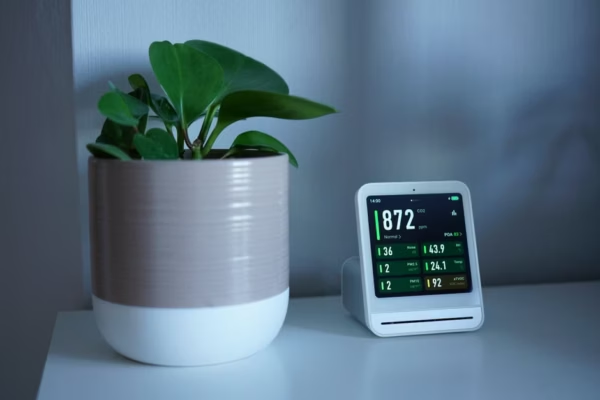
- Indoor Air Quality Monitors: A growing number of consumer-grade indoor air quality monitors are available on the market. These devices typically feature sensors that track various pollutants such as:
- Particulate Matter (PM2.5): Tiny airborne particles that can affect respiratory health.
- Volatile Organic Compounds (VOCs): Chemical gases emitted from many household products.
- Carbon Dioxide (CO2): An indicator of ventilation effectiveness.
- Humidity and Temperature: Factors that influence comfort and mold growth. Some advanced monitors also include radon sensors. These monitors often provide real-time data via a display or a smartphone app, allowing you to track trends and identify spikes related to specific activities (e.g., cooking, cleaning) or environmental conditions. When placing a monitor, position it at breathing height in areas where you spend the most time, away from excessive humidity and high-traffic spots. Be aware that most sensors require a calibration period (e.g., 30 days for radon, about a week for VOC and CO2) before providing fully accurate readings.
- Professional Testing Services: For a more comprehensive and accurate assessment, especially if you suspect specific issues (like mold, asbestos, or persistent chemical odors), hiring a professional indoor air quality testing service is advisable. Professionals use specialized equipment to take air samples and send them to accredited laboratories for detailed analysis. This can identify a wider range of pollutants and their exact concentrations, providing a clearer picture of your home’s air quality profile.
While DIY monitors offer convenience and real-time feedback, professional testing provides a more definitive diagnosis, particularly for complex or severe IAQ issues.
What are the recommended standards for safe indoor air?
While there isn’t a single, universally enforced “safe” indoor air quality standard for all pollutants across all regions, several organizations and governmental bodies provide guidelines and recommended action levels. These help homeowners and building managers assess and improve their indoor environments.
- EPA Guidelines (U.S.): The EPA provides guidance on various indoor air pollutants. For instance, their action level for radon is 4 pCi/L (picocuries per liter). If your home tests at or above this level, mitigation measures are strongly recommended. The EPA also offers extensive information on reducing exposure to other pollutants like secondhand smoke, carbon monoxide, and mold.
- WHO Standards (Global): The World Health Organization (WHO) provides global air quality guidelines for key pollutants, including some relevant to indoor environments. For carbon monoxide (CO), for example, WHO recommends levels not exceeding 4 mg/m³ over a 24-hour period, with stricter limits for shorter exposures. For radon, WHO suggests an ideal indoor reference level of 100 Bq/m³ (approximately 2.7 pCi/L), recommending action if levels exceed this.
- CO2 Thresholds: Carbon dioxide levels are often used as a proxy for ventilation adequacy. While outdoor CO2 levels are typically around 400-450 ppm (parts per million), indoor levels can rise significantly in enclosed, occupied spaces.
- Below 1000 ppm: Generally considered to represent good IAQ and adequate ventilation.
- 1000-2000 ppm: May indicate poor ventilation, leading to feelings of drowsiness, stuffiness, and potential minor cognitive impairment.
- Above 2000 ppm: Suggests very poor ventilation and can lead to significant discomfort and cognitive effects. Some guidelines, like those in the UK, recommend keeping CO2 levels below 800 ppm for well-ventilated rooms.
- Humidity: Maintaining relative humidity between 40% and 60% is a widely accepted best practice. Levels below 40% can cause dry skin and respiratory irritation, while levels above 60% promote mold growth, dust mites, and bacterial proliferation.
- VOCs and Formaldehyde: While specific numerical standards can vary, the general recommendation is to minimize exposure. This involves using low-VOC products, ensuring good ventilation, and allowing new materials to off-gas in well-ventilated spaces before prolonged occupancy.
These guidelines serve as benchmarks for creating healthier indoor environments. Adhering to them, particularly for critical pollutants like radon and carbon monoxide, is vital for protecting occupant health.
Do indoor plants significantly improve air quality?
The idea that indoor plants can significantly purify the air in our homes gained popularity from a NASA study in the late 1980s. While that study showed plants could remove certain VOCs in a controlled, sealed chamber, the reality in a typical home environment is quite different.
- Plant Limitations: In practical terms, the impact of indoor plants on overall indoor air quality in a home is very limited. To achieve the same air-cleaning effect as even a modest air purifier or adequate ventilation, you would need an impractically large number of plants – potentially hundreds in a single room. The air exchange rate in most homes, even those with minimal ventilation, is far greater than the rate at which plants can absorb pollutants.
- Air Purifiers vs. Plants: Dedicated air purifiers with HEPA and activated carbon filters are specifically designed to remove particulate matter, allergens, and gaseous pollutants much more efficiently and effectively than plants.
- Ventilation Comparison: Opening a window for a few minutes or running an exhaust fan provides a far more substantial air exchange and pollutant dilution than any reasonable number of indoor plants could achieve.
- Dust Reduction: While plants don’t significantly “purify” the air of chemical pollutants, their leaves can trap some airborne dust particles, which can be wiped clean. This is a minor benefit compared to mechanical filtration.
- Other Benefits: Despite their limited air-purifying capabilities, indoor plants offer numerous other benefits. They can improve mood, reduce stress, enhance concentration, and add aesthetic value to a space. They contribute to a sense of well-being and connection to nature, which are important aspects of home comfort.
Therefore, while indoor plants are wonderful for enhancing the aesthetic and emotional comfort of your home, they should not be relied upon as a primary strategy for improving indoor air quality. Effective ventilation, source control, and mechanical filtration remain the most impactful methods for ensuring clean indoor air.
Conclusion
In conclusion, the quality of the air within our homes plays a profoundly significant role in our overall health, comfort, and well-being. With the majority of our lives spent indoors, the invisible threats of indoor air pollution can have far-reaching effects, from immediate discomforts like headaches and respiratory irritation to severe long-term conditions such as heart disease, chronic respiratory illnesses, and even cancer.
We’ve explored the diverse array of common indoor pollutants, including volatile organic compounds (VOCs), mold, carbon monoxide, and radon, understanding their origins from everyday products, building materials, and natural environmental factors. We’ve also seen how external influences like outdoor pollution and climate change can infiltrate and exacerbate our indoor air challenges.
The good news is that we are not powerless against these threats. By adopting a proactive approach that prioritizes source control, effective ventilation, and robust air filtration, we can significantly enhance our indoor air quality. Choosing low-VOC products, maintaining proper humidity levels, ensuring adequate fresh air exchange, and utilizing high-efficiency air filters are all actionable steps homeowners can take. Regular maintenance of HVAC systems, including timely filter replacements and professional checks, is also paramount to ensuring these systems contribute positively to your home’s air quality.
Understanding how to test for common pollutants like radon, being aware of recommended safety standards, and recognizing the limitations of certain solutions (like indoor plants for air purification) empowers us to make informed decisions. By integrating these strategies into our daily lives and home maintenance habits, we can create living spaces that are not only comfortable but also genuinely healthy. Prioritizing indoor air quality is an investment in your family’s long-term health and the lasting comfort of your home.