How Veterinary Checkups Extend The Life Of Your Pet
You want your pet to stay with you for as long as possible. Regular veterinary checkups give your pet that extra time. Routine exams catch quiet problems before they explode into crisis. Blood tests, weight checks, and simple questions about eating or behavior can uncover disease while it is still small and easier to control. Early treatment often means less pain, fewer emergency visits, and calmer years at home. An animal clinic in High River, AB can track changes from one visit to the next and spot patterns you might miss. That record becomes a safety net for your pet. You see a healthy pet on the outside. Your veterinarian checks what you cannot see on the inside. When you commit to steady checkups, you do more than “be a good owner.” You protect your pet’s future and give yourself fewer regrets.
Why routine checkups add years to your pet’s life
Routine visits do three simple things. They find illness early. They prevent disease. They guide daily care at home.
During a checkup, your veterinarian will usually
- Ask about food, water, bathroom habits, and activity
- Check weight, heart, lungs, teeth, skin, and joints
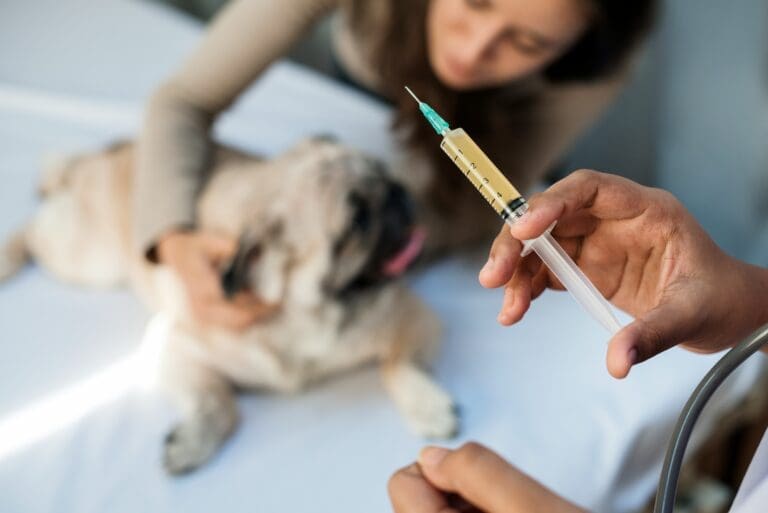
- Recommend vaccines, parasite control, and blood tests
Each step gives clues. Small changes in weight or heart rate can point to hidden disease. Quiet signs like bad breath or dull coat often show long-term problems that strain organs and shorten life.
The U.S. Centers for Disease Control and Prevention explains that pet health care also protects people from some infections that pass between animals and humans. You lower the risk for your whole household when your pet gets regular care.
How often does your pet need a checkup?
The right schedule depends on age and health. Still, you can use three simple groups.
| Life stage | Typical age | Visit frequency | Main goals |
|---|---|---|---|
| Puppies and kittens | Birth to 1 year | Every 3 to 4 weeks, then every 6 to 12 months | Vaccines, growth checks, deworming, spay or neuter planning |
| Adult pets | 1 to 7 years for most breeds | At least once each year | Prevent disease, manage weight, update vaccines, check teeth |
| Senior pets | Over 7 years or earlier for large dogs | Every 6 months or more often with illness | Screen for cancer, kidney and liver disease, arthritis, and heart disease |
The American Veterinary Medical Association supports yearly exams at a minimum. Older pets often need visits twice each year.
What your veterinarian checks during a visit
Each part of the exam adds protection.
- Weight and body shape. Sudden loss or gain can signal diabetes, thyroid disease, cancer, or heart failure.
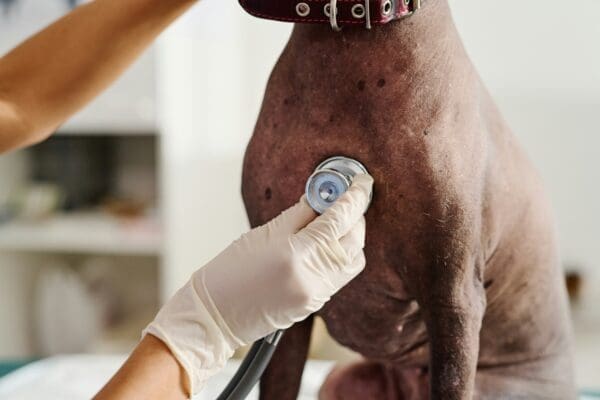
- Heart and lungs. A stethoscope picks up murmurs, rhythm problems, and lung sounds long before your pet coughs or slows down.
- Eyes and ears. Early eye disease, infections, and ear mites all cause pain and can damage hearing or sight if ignored.
- Mouth and teeth. Gum disease is common. It raises the risk of kidney, liver, and heart problems. Clean teeth add years of comfort.
- Skin and coat. Lumps, hair loss, or rashes can point to allergies, parasites, or cancer.
- Joints and muscles. Stiffness and pain limit play and sleep. Early treatment lets your pet stay active longer.
Often, your veterinarian will suggest simple blood and urine tests. These tests can spot kidney disease, liver trouble, infection, and hormone problems even when your pet seems fine at home.
Preventive care that slows disease
Checkups are not just a search for illness. They build a shield around your pet’s health.
- Vaccines protect against rabies, parvo, distemper, and other deadly infections.
- Parasite control keeps fleas, ticks, and worms from draining your pet and spreading disease to people.
- Spay or neuter planning lowers the risk of some cancers and infections and reduces roaming and fighting.
At each visit, you and your veterinarian can adjust food, exercise, and home routines. Small changes today prevent bigger diseases tomorrow. This steady, simple work is what stretches your pet’s healthy years.
Signs your pet needs a checkup now
Keep your regular schedule. Still, do not wait if you see warning signs such as
- Change in appetite or water intake
- Weight loss or gain without a clear reason
- Coughing, trouble breathing, or slowing on walks
- Vomiting, diarrhea, or straining to pee or poop
- Limping, stiffness, or reluctance to jump
- New lumps, sores, or strong odor from mouth or ears
- Sudden change in mood, confusion, or hiding
These signs often show up late in the course of the disease. Quick action can still change the outcome. Waiting adds suffering and can shorten life.
How to prepare for each veterinary visit
You can help your veterinarian give better care with three simple steps.
- Write down any changes you notice at home, including food, habits, and behavior.
- Bring a list of all medications, supplements, and treats.
- Collect a fresh stool sample if your veterinarian requests it.
Ask clear questions during the visit. You can request a simple plan that covers what to watch, when to return, and how to give any medicine. This shared plan keeps you focused after you leave the clinic.
Protecting your pet’s future
Every visit is a small choice that protects your pet’s future. Regular checkups keep problems small. They guard comfort. They lengthen the time you share with your pet.
You cannot control everything that happens to your pet. You can still act early, stay alert, and work with your veterinarian as a team. That steady effort gives your pet safer years and gives you more quiet moments together.