How to Safely Prepare for Storm Season
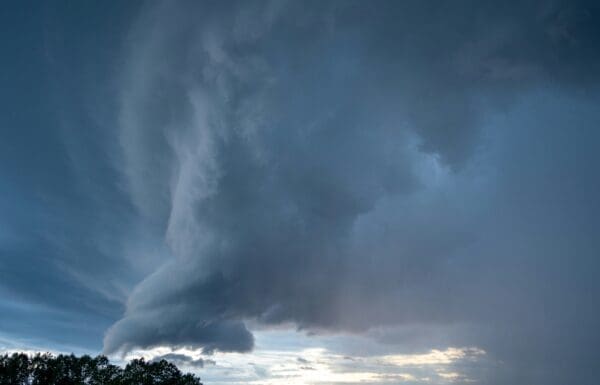
Storm season in the Pacific Northwest can bring unpredictable weather, heavy rain, and powerful winds. For homeowners in areas like Tumwater, Washington, taking proactive steps to prepare their home for potential storms is essential. Not only can this prevent costly damage, but it also ensures the family’s safety and peace of mind. Here’s a comprehensive guide to safely preparing the property for the storm season.
1. Inspect and Trim Trees Near the Home
In terms of storm related damage the leading cause is from falling trees or broken branches. Before storm season starts it is wise to have the trees near the home, garage, or driveway looked at by a professional. Dead branches or weak growth are going to break off in high wind which in turn will do large scale damage to the roof or windows.
To prepare:
- Prune outstretched branches which are near the home.
- Remove it if a tree is dead or sick with input from a certified arborist.
- Look for trees with shallow roots which may drop during heavy storms.
Maintaining the trees is not only for safety but also for the health of the landscape.
2. Secure or Store Outdoor Furniture and Décor
Strong gusts of wind in storms may put ordinary things at risk as projectiles. Patio furnitures, umbrellas, garden decorations, also potted plants can put people at risk. To avoid issues:
- Put all outdoor furniture and grills inside or in a garage and shed.
- Secure large items with bungee cords or anchors if they can not be moved.
- Remove decorative lighting pieces that may be blown over.
Proactive care of these issues will reduce the chance of damage to the home and neighboring properties.
3. Check and Maintain Storm Shutters or Window Protection
Before a storm hit, check that the storm shutters are in good working order. Also if shutters are not installed, it may be helpful to consider putting up temporary protection like plywood or polycarbonate panels for the at risk windows.
Inspect for:
- Rust or broken hinges on shutters.
- Cracks and wear in window glass and seals.
- Water intrusion around window frames.
Well cared for shutters also prevent wind damage to glass and also help with entry of rain into the home.
4. Clean Gutters and Downspouts
Gutters and downspouts are the elements of the roof which take care of rainwater and very important in that they try to eliminate water damage. When they get clogged up water overflows and may reach the foundation or between the shingles.
Before the storm season:
- Clear out leaves, pine needles and debris from gutters and downspouts.
- Make sure that water is not near the home’s foundation.
- Put in some gutter guards which will reduce that which is to come.
A well run drainage system reduces the risk of flooding and water damage.
5. Schedule a Roof Cleaning and Inspection
The home’s roof is the first to protect against rain, wind, and falling debris which is why it is so important to keep it in great condition before storm season rolls around. Also out there are organic materials like moss, leaves or algae that can trap in moisture which in turn will damage the shingles when storms bring on by heavy rain.
Scheduling a professional roof cleaning by trusted Roof Cleaners in Tumwater, Washington will have the roof in great condition for the season. Professional roof cleaning:
- Clears out what may cause a clog.
- Identifies small issues before they grow into large leaks.
- Prevents mold and algae growth which in turn protects shingle integrity.
By having a well maintained roof, homeowners are also increasing the longevity of the home and preventing internal water damage.
6. Test the Sump Pump and Backup Power Systems
If the home has a basement or is in a low area, it should be ensured that the sump pump is in good working order. During storm season heavy rain can cause quick to develop water accumulation and flooding.
Test the sump pump by:
- Dousing water in the pit to see what.
- Cleaning out the pump and its environment.
- Checking in on the backup battery or generator when the main power goes out.
Also think about using a portable generator for when outages occur which will in turn get critical systems such as the refrigerator and medical devices up and running.
7. Review Insurance Policies and Emergency Plans
Preparation also includes being ready for the worst case scenario. Go over the homeowner’s insurance policy to make sure it includes coverage for storm related damage which may include flooding or wind damage.
Take the time to:
- Document valuables with photos or videos.
- Store important documents in a safe that is waterproof and fireproof.
- Create a family emergency plan which includes evacuation routes and contact info.
The more prepared a household is, the quicker the recovery from a disaster.
8. Create a Storm Emergency Kit
In every home it is best to have a basic emergency kit before storm season breaks out. Include:
- Flashlights with extra batteries
- At a minimum a gallon of water per person per day for bottled.
- Non-perishable food
- First-aid supplies
- Blankets, portable chargers, and radios
Having a prepared emergency kit is a must for when the family will remain safe and comfortable in the event of a power outage or shelter in place situation.
Final Thoughts
Before storm season hits, many preventative actions can make a difference in reducing damage and keeping families safe. From tree trimming to professional roof cleaning, each step is important.For the residents in the Pacific Northwest which includes Tumwater, working with professional companies like Roof Cleaners in Tumwater, Washington is a solution which gives peace of mind that the home is secured from the elements. Preparation may be a bit of an effort but it is a worthwhile investment to weather the storm—literally.