How to Prevent Mold Growth in Florida Homes: Essential Tips for Homeowners
Florida’s warm and humid environment provides the perfect breeding ground for mold. Homeowners often face challenges when dealing with mold infestations, which can affect both property and health. By understanding how mold thrives and taking proactive steps, you can limit its presence and protect your home from unnecessary damage. If problems persist, experts at Fort Myers mold removal and remediation are always ready to help.
Mold prevention does not have to be complicated. Simple actions like keeping indoor spaces dry, maintaining your air conditioning units, and repairing any signs of water leaks are necessary. Mold can grow quickly if left unchecked, making timely intervention critical for Florida residents. Humidity, ventilation, and moisture control are the pillars of mold prevention. Regular inspection and maintenance of your home helps prevent mold from settling in. When you address these issues proactively, you make your living space safer for everyone inside. For those living further south, Naples mold removal and remediation services are also available to handle advanced problems that require professional attention.
Understanding Mold in Florida
Mold thrives in areas with consistent moisture and high humidity. In Florida, warm temperatures and frequent rain create a constant risk of mold in homes, especially in bathrooms, basements, and poorly ventilated areas. According to the Centers for Disease Control and Prevention (CDC), mold can begin to grow within 24 to 48 hours of water exposure. This makes controlling moisture the number one priority in Florida homes. In 2022 alone, there were an estimated 264,000 mold-related insurance claims in Florida, making up more than 20% of all property claims statewide. It is important for every homeowner to regularly inspect overlooked areas, such as behind kitchen appliances and under sinks, to catch early signs of mold growth.
Control Indoor Humidity
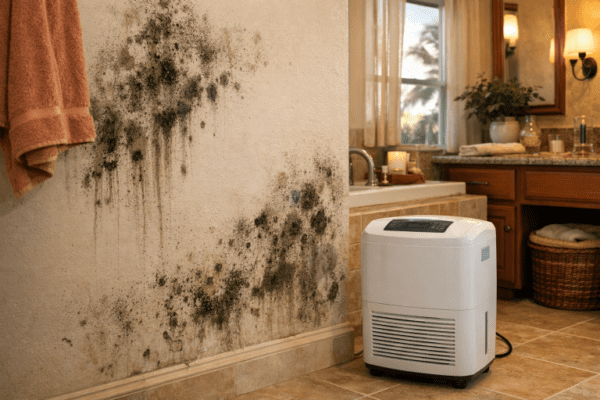
The key to mold prevention is keeping indoor humidity below 50%. The best tools for this job are dehumidifiers and air conditioners, which pull excess moisture from the air. In summer or after heavy rainfall, monitoring humidity with a hygrometer is highly recommended. People should focus on areas such as bathrooms, laundry rooms, and the kitchen, where steam or condensation is more likely to occur. For more guidance, the Environmental Protection Agency (EPA) offers resources on controlling humidity indoors.
Ensure Proper Ventilation
Proper air movement helps remove moisture that would otherwise contribute to mold growth. Using exhaust fans is the most effective way to keep bathrooms, kitchens, and laundry rooms dry. Always turn on fans during and after activities that produce steam, like showering or cooking. Opening windows for cross-ventilation, when the weather allows, is also helpful—checking that your home’s ventilation system is not blocked or malfunctioning should be a regular part of household maintenance.
Address Water Leaks Promptly
Nothing encourages mold like a lingering water leak. Water leaking from old pipes, a damaged roof, or leaky windows must be fixed right away. Every homeowner should regularly inspect these problem areas, especially after storms. Peeling wallpaper, musty odors, or bubbling paint are warning signs that water is getting where it should not be. If water is found after a storm or hurricane, thorough drying with fans and dehumidifiers can keep mold from taking hold.
Use Mold-Resistant Materials
If you are renovating or planning new construction, choose mold-resistant drywall, insulation, and paints whenever possible. These materials are designed to stay dry and prevent spores from growing, especially in rooms where moisture is expected. Some builders also recommend using sealants in bathrooms and kitchens. Making these upgrades can prevent small leaks from becoming big mold problems and keep maintenance costs lower in the long run.
Regularly Maintain HVAC Systems
Your HVAC system manages both temperature and humidity. Keeping it in good working order is essential to preventing mold. Schedule professional checkups at least twice a year, and change filters monthly or as recommended. When HVAC systems are neglected, mold spores can gather in ducts and spread throughout the entire house. Clean ducts and vents can help eliminate this major risk.
Monitor and Maintain Roof and Gutters
Your roof and gutters are your first line of defense against water entering your home. Check your roof regularly for loose or missing shingles and fix any damage right away. Gutters should be cleared of leaves and debris at least twice a year to prevent water from backing up and seeping into your walls. Broken downspouts and clogged gutters are common causes of water damage that can lead to rapid mold growth indoors.
Conclusion
Preventing mold in Florida takes vigilance, regular maintenance, and prompt action. Homeowners should manage humidity, ventilate rooms, fix leaks, and invest in mold-resistant materials to protect both their families and their property. Regular inspections and a proactive approach can limit the risks and keep your living environment comfortable and healthy. If you find mold despite your best efforts, professional remediation services are available.