How to Keep Your Home Free from Common Pests: Practical Tips and Latest Insights

Household pests are driven indoors by various factors, often related to seasonal changes. As temperatures drop or rise or during periods of heavy rain, many pests seek shelter, warmth, and food inside human habitations.
Another major contributing factor is the availability of hiding spots. Clutter, piles of wood, or even neglected corners present ideal harborage areas for rodents, spiders, and other pests. In regions where certain pests are prevalent almost year-round, such as the Southeast, connecting with specialists in pest control Columbia SC can proactively identify unique local risk factors and customize your pest prevention strategy.
The Most Common Household Pests to Watch For
The typical culprits of home infestations include cockroaches, ants, termites, spiders, and various rodents. Cockroaches and ants are primarily attracted to moisture and food, posing risks ranging from contaminated food to asthma and allergies. Termites can cause serious and expensive structural damage if left undetected, gnawing through wooden foundations for years. While spiders typically help control other pest populations, some, such as the brown recluse, can present medical dangers.
Spotting Early Warning Signs of Infestation
Recognizing early warning signs is essential to stopping a minor issue from ballooning into a full-scale infestation. Visible signs—such as droppings, dead insects, gnawed food packaging, or mud tubes along walls—are clear alerts. Subtle indicators may include unpleasant odors, unexplained itchiness, or damage to fabrics and furniture. Catching these red flags early saves significant time, money, and frustration down the road. Swift action is key, as many pests multiply rapidly in favorable conditions.
Preventive Steps Every Homeowner Should Practice
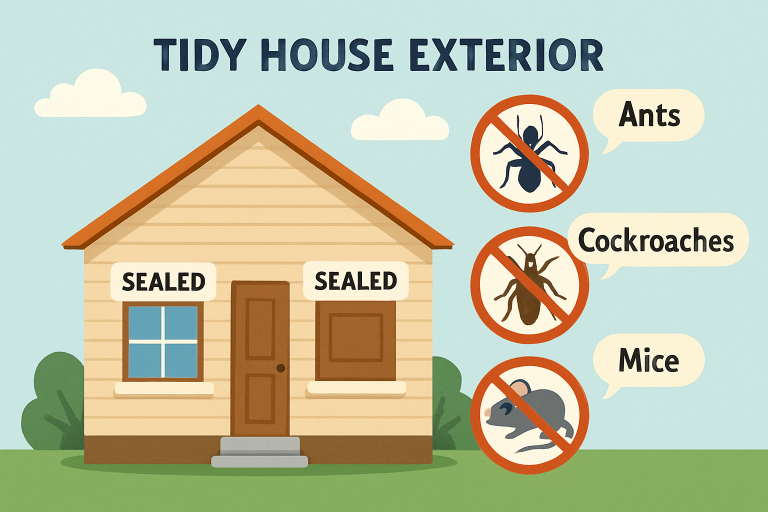
The foundation of a pest-free home lies in simple but effective daily and seasonal habits. Seal all exterior cracks, crevices, and gaps around windows or doors. Regularly repair dripping faucets, leaking pipes, and faulty drainage to eliminate water sources. Keep yards clean of leaf piles, wood stacks, and other potential harborage zones. Regular trash removal, proper food storage in airtight containers, and consistent vacuuming make your home less attractive to foragers like ants and roaches.
Natural and DIY Pest Control Methods That Actually Work
Many homeowners find success with a handful of proven DIY methods when looking for low-impact solutions. White vinegar, for instance, can disrupt ant pheromone trails. Diatomaceous earth, a harmless powder for humans and pets, dehydrates and kills various crawling pests when sprinkled around entry points and problem areas. Essential oils like peppermint are natural repellents for spiders and some insects. Sticky traps, boric acid, and baking soda also have their place for controlling household pests.
When to Opt for Professional Help: Signs You Shouldn’t Ignore
Certain scenarios require more than vigilant monitoring and over-the-counter solutions. If pests continue to return after treatment, if you see them during the day, or if the infestation threatens structural elements or health, timely professional intervention is warranted. Experienced exterminators can access specialized products and technology, such as thermal imaging for termite detection or strategic bait placement, which are unavailable to most homeowners.
Staying Updated: Recent Pest Trends and Regional News
Knowledge is a powerful tool against emerging pest threats. In recent years, invasive species such as the spotted lanternfly and certain types of aggressive ants have made headlines nationwide. Keeping up with the latest pest control news is smart, as it provides early alerts of species on the rise in your region and offers clues on effective countermeasures. Regional pest control organizations and university extension offices are also valuable sources of up-to-date advice.
With changing climates and global trade affecting pest migration patterns, staying informed allows homeowners to adjust their strategies proactively and prevent unwanted surprises.