

How to Choose Quality Flooring That Lasts and Performs
Flooring is one of the biggest choices you make for your home. It affects comfort, style, cleaning time, and long-term value. Good flooring should look great, feel right under your feet, and hold up to daily life.
The best choice is not always the most expensive one. The right floor depends on your space, your routine, your budget, and your future plans.
In this guide, you will learn how to compare options in a simple way, avoid common mistakes, and choose flooring that lasts and performs for years.
Why Flooring Quality Matters
Quality flooring does more than make a room look nice. It protects your subfloor, handles moisture, resists dents and scratches, and helps your home feel quiet and comfortable. Poor-quality flooring may save money at first, but repairs and early replacement can cost more later.
A strong floor also improves daily living. It can make cleaning easier, reduce allergy triggers, and give your family a safer surface to walk on. If you plan to sell your home in the future, well-chosen flooring can also improve buyer interest and resale value.
Start With Your Home’s Real Needs
Before comparing brands and colors, step back and look at how each room is used. A floor in a busy kitchen needs different features than a floor in a guest room. If you skip this step, you may choose a material that looks nice but fails too soon.
Ask yourself these practical questions:
- How much foot traffic does the room get each day?
- Do you have kids, pets, or heavy furniture?
- Is moisture common in this area?
- Do you need easy cleaning and low maintenance?
- Do you want a warm or cool feel underfoot?
When you match flooring to real life, performance improves, and stress goes down.
Know the Main Flooring Types
You do not need to be an expert, but knowing the basics helps you compare options with confidence.
Hardwood
Hardwood is classic, warm, and long-lasting. It can often be refinished, which extends its life. It works well in living rooms, bedrooms, and dining areas. However, it is sensitive to moisture and can scratch from pets or moving furniture.
Engineered Wood
Engineered wood has a real wood top layer with a stable core. It handles humidity changes better than solid hardwood. It gives a similar look at a lower price in many cases. Quality varies by wear layer thickness and core construction.
Laminate
Laminate is a budget-friendly option with a printed top layer that can look like wood or stone. It is usually scratch-resistant and easy to clean. Water resistance differs by product, so check specs carefully for kitchens or entryways.
Luxury Vinyl Plank or Tile (LVP/LVT)
LVP and LVT are popular because they resist water, wear, and stains. They also come in many styles and are often comfortable underfoot. They are great for busy homes and moisture-prone rooms. Product quality depends on wear layer, core type, and installation quality.
Tile (Ceramic or Porcelain)
Tile is very durable and water-resistant. It is excellent for bathrooms, kitchens, and laundry areas. It is easy to clean but can feel hard and cold. Grout care is important for long-term performance.
Carpet
Carpet adds warmth and sound control. It works well in bedrooms and family spaces. Quality carpet can last a long time, but it needs regular cleaning and may stain more easily than hard surfaces.
Match Flooring to Each Room
Choosing one flooring type for the whole house is simple, but it is not always best for performance. Room-by-room planning helps you get better results.
Living Room and Hallways
These areas often have heavy traffic. Choose strong wear resistance and easy maintenance. Hardwood, engineered wood, quality laminate, and LVP are common winners here.
Kitchen
Kitchens face spills, dropped items, and constant movement. Water resistance is essential. LVP, tile, and some water-resistant laminate products are strong choices.
Bathroom and Laundry Room
These rooms deal with moisture often. Tile and waterproof vinyl products usually perform best. Avoid moisture-sensitive materials unless the product is rated for wet spaces.
Bedrooms
Comfort matters most here. Carpet, engineered wood, and wood-look vinyl are common options. Pick a surface that feels good and supports your cleaning routine.
Basement
Basements may have humidity and occasional dampness. Moisture-resistant products are important. Waterproof vinyl and tile are often safer choices than solid hardwood.
Understand Durability Ratings
Many homeowners skip technical specs and focus only on style. That can lead to regret. A few key ratings tell you how well a floor will perform over time.
Wear Layer Thickness
For vinyl flooring, wear layer thickness matters a lot. A thicker wear layer usually means better scratch and dent resistance. If the area is busy, choose a stronger wear layer.
AC Rating for Laminate
Laminate floors often have AC ratings. Higher numbers mean better durability for heavier use. For active homes, avoid low AC ratings.
Janka Hardness for Wood
Janka ratings show wood hardness. Harder woods resist dents better. If you have pets or active kids, this number helps you choose wisely.
Water Resistance Claims
Read labels carefully. “Water-resistant” and “waterproof” are not the same. Water-resistant products can handle small spills for limited time. Waterproof products are built to handle longer moisture exposure.
Warranty Details
A long warranty is helpful, but read the fine print. Some warranties cover only manufacturing defects, not normal wear from daily use. Look for clear terms and realistic coverage.
Focus on Core Construction and Build Quality
Two floors can look almost the same but perform very differently. Construction details matter.
For vinyl and engineered products, check the core type. Rigid cores may improve stability and dent resistance. For engineered wood, thicker top layers can allow refinishing and longer service life. For laminate, edge sealing can improve moisture performance.
Think About Maintenance Before You Buy
Every floor needs care, but the level of care varies. Choose a floor that fits your real schedule.
If you want low maintenance, focus on surfaces that clean easily with regular sweeping and damp mopping. If you love natural wood and are ready for extra care, hardwood can still be a great choice.
Before buying, ask:
- What cleaners are safe for this floor?
- How often does it need deep cleaning?
- Can it be refinished or repaired?
- Will scratches be visible over time?
Simple care routines help flooring last longer and look better.
Do Not Ignore Subfloor and Moisture Conditions
Even premium flooring can fail if the subfloor is uneven, damp, or unstable. Preparation is one of the biggest factors in long-term performance.
Have the subfloor checked before installation. Moisture testing is especially important in basements, ground floors, and humid regions. Small problems, if fixed early, prevent warping, lifting, and gaps later.
Proper underlayment also improves comfort, sound, and durability. Use the underlayment recommended by the flooring manufacturer, not a random substitute.
Compare Total Cost, Not Just Price Per Box
A cheap material can become expensive after add-ons. A better method is to compare the total installed cost and expected lifespan.
Include these cost items in your plan:
- Flooring material
- Underlayment and moisture barriers
- Trims and transitions
- Labor and removal of old flooring
- Delivery and waste allowance
- Future maintenance and repair needs
Then compare the cost against the expected years of use. This helps you find real value, not just a low shelf price.
Choose Style That Stays Timeless
Trendy designs can be fun, but flooring is a long-term investment. It is smart to choose colors and patterns that will still look good in five to ten years.
Neutral tones are usually safer for resale. Medium wood tones and natural stone looks often age better than extreme colors. If you like bold design, consider using it in rugs, wall paint, or furniture instead of permanent flooring.
Also think about lighting. A sample may look different at home than it does in a showroom. Test samples in morning, afternoon, and evening light before deciding.
Use Trusted Resources for Better Decisions
Doing a little homework before buying can save you from expensive errors. Look for resources that explain product specs, room matching, and long-term care in plain language. For example, the Lions Floor buying guide can help you understand what to compare before making a final choice.
When you use practical guides and compare details side by side, you can choose flooring with more confidence and fewer surprises.
Installation Quality Is Half the Result
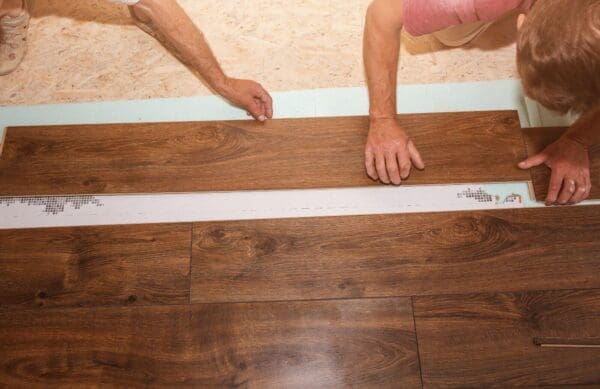
Even excellent flooring performs poorly with poor installation. Good installers follow manufacturer guidelines, prep subfloors properly, and leave the right expansion gaps.
If you hire an installer, ask about:
- Experience with your flooring type
- Moisture testing process
- Leveling and prep standards
- Warranty on labor
- Estimated timeline and cleanup plan
A careful installation protects your investment and improves the feel of your floor from day one.
Plan for Long-Term Performance
Once flooring is installed, small habits make a big difference. Use furniture pads, clean spills quickly, and place mats at entrances. Trim pet nails and avoid dragging heavy furniture across the floor.
Schedule simple maintenance reminders. A consistent routine helps floors stay attractive and strong year after year. If you notice small damage early, repair it right away to prevent bigger issues.
Choose Flooring With Confidence
Great flooring is a mix of smart planning, reliable materials, and quality installation. When you match flooring to your real lifestyle, check durability ratings, prepare the subfloor, and compare total cost, you set your home up for long-term success.
To keep up with fresh ideas, please browse our blog and explore what’s new.






One Comment