How Seasonal Changes Affect Your Roof: Maintenance Tips for Every Season

Maintaining the health of your roof is vital to preserving the comfort and safety of your home, especially as it faces the ever-changing challenges brought by each season. From spring’s heavy rains to winter’s punishing ice, every time of year imposes unique stresses on roofing systems. Proactive care not only prevents minor issues from turning into expensive repairs but also extends the overall lifespan of your roof. Homeowners seeking experienced solutions may consider contacting an Amish metal roofing company renowned for its meticulous craftsmanship and expertise in severe weather conditions.
Understanding and adapting to each season’s specific demands through routine inspections and timely maintenance is essential. Nature’s elements can slowly erode, loosen, or even break roofing materials, making vigilance and preparation your best defenses against costly water or structural damage. Simple preventative measures—like cleaning gutters or trimming branches—can dramatically reduce risk and hassle.
Proactive homeowners not only avoid disasters but also save significantly over time by addressing potential weak spots before they escalate. Documenting your roof’s condition regularly provides an invaluable record for planning and insurance claims. For those seeking expert advice or services, working with an experienced roofer in Lancaster can provide peace of mind before significant weather events.
Additionally, familiarizing yourself with the recommended seasonal tasks helps you stay prepared and identify when to call in professionals for complex issues.
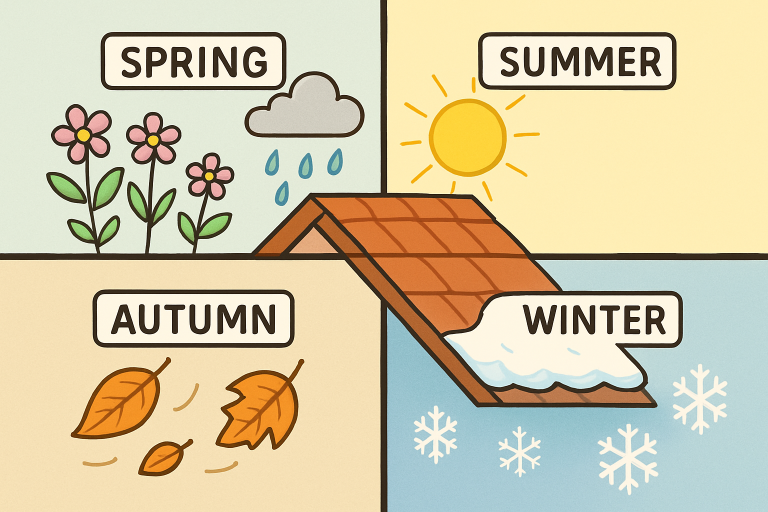
Spring: Addressing Winter’s Aftermath
The end of winter marks a crucial time to inspect your roof for issues brought on by snow, ice, and freezing temperatures. Melting snow can reveal problems such as water damage from ice dams or shingles that cracked under the stress of freeze-thaw cycles. Gutters are often clogged with debris accumulated during the winter, which can lead to drainage issues as spring rains begin.
- Ice Dam Residue: Check for stained or water-marked ceilings inside, and for warped materials outside, as signs of past ice damming.
- Shingle Damage: Inspect the roof for curling, loose, or missing shingles.
- Clogged Gutters: Clear these out fully to restore proper water flow away from your foundation.
Professional inspections conducted immediately after winter reveal hidden leaks and weak spots, while cleaning and replacing damaged components prepare your roof for the heavy spring downpours. Photographic records can help track issues and speed up insurance processes.
Summer: Combating Heat and UV Exposure
As summer brings relentless sunshine and soaring temperatures, roofs—especially those with asphalt shingles—can show signs of material degradation. Constant exposure to ultraviolet rays makes shingles brittle, causing them to lose granules and diminish their effectiveness and lifespan. Expanding and contracting roofing materials may also create cracks and separations, exposing your home to potential leaks.
- Material Deterioration: Inspect for granular loss or fading in shingles.
- Thermal Expansion: Check for cracks, warping, or shifted materials.
Effective strategies include ensuring proper attic ventilation to manage roof temperature, conducting regular inspections for UV damage, and applying reflective coatings that help reduce heat absorption. These measures help prevent energy loss and costly repairs during the hottest months.
For additional insights on preventing heat-related issues inside your home, consider reviewing this comprehensive attic heat reduction guide from Family Handyman.
Fall: Preparing for Harsh Weather
Fall presents the last significant opportunity for pre-winter roof maintenance. Leaves and twigs filling up gutters can cause ice dams later when temperatures plummet, so regular cleaning is crucial. Trees should be trimmed to prevent branches from scraping or puncturing your roof during storms. Inspect flashing, vents, and chimneys for deteriorated sealant or cracks, and refresh or repair as needed. Addressing these issues preemptively helps avoid emergency repairs when winter arrives in full force.
- Gutter Maintenance: Remove built-up debris to facilitate proper drainage.
- Tree Trimming: Cut back branches that overhang and threaten shingles or eaves.
- Sealant Inspection: Check and refresh caulking around joints and fixtures to ensure a watertight seal.
Winter: Managing Snow and Ice
Winter introduces some of the most serious roof hazards, from heavy snow accumulation that strains the structure to ice dams that trap melting water and force leaks. Ensuring your attic is well-insulated helps prevent heat loss, which in turn minimizes the refreezing cycle that causes ice dams. Use a roof rake to remove excessive snow buildup from edges, being careful not to damage roofing materials. Check indoor spaces for water stains, warped wood, or unexplained puddles, which could indicate leaks or structural stress.
- Snow Accumulation: Safely clear snow after major storms to prevent overload.
- Ice Dams: Monitor for icicles and related blockages; improve insulation if they frequently form.
Prompt attention to winter-related roofing issues protects your home’s interior and prevents more expensive, extensive repairs later. For winter safety tips, read Consumer Reports’ advice on winter roof preparation.
Year-Round Maintenance Strategies
Solid roof maintenance is a year-long commitment. Schedule two professional inspections a year—ideally in the spring and fall—to catch potential problems before and after significant weather events. Keep gutters and downspouts free of debris, monitor your attic for leaks, mold, or temperature inconsistencies, and maintain detailed records of all inspections and repairs. Trimming back trees regularly prevents unexpected damage in any season.
- Biannual inspections to catch seasonal changes.
- Gutter cleaning and attic monitoring for leaks or mold.
- Detailed documentation for insurance and planning.
- Prompt repair of issues before escalation.
When to Seek Professional Help
While diligent homeowners can tackle many maintenance tasks, persistent leaks, storm damage, or concerns about the roof’s age require professional roofing expertise. Attempting repairs without proper knowledge or equipment could worsen the problem or pose safety hazards. Experienced roofers can ensure lasting solutions that comply with warranty and code requirements.
Conclusion
Seasonal changes will challenge even the best-built roofs, but regular maintenance coupled with early intervention can safeguard your investment for years. Understanding and preparing for each season’s unique demands are essential steps in extending your roof’s life and maintaining your home’s value and security.