How Safe Digging Technology Is Transforming Urban Infrastructure
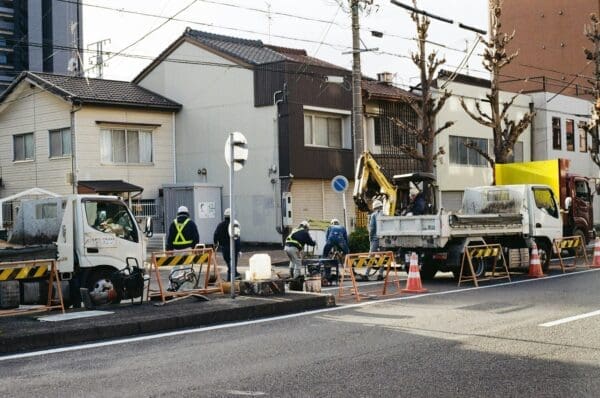
Urban infrastructure projects present significant challenges, especially as cities grow denser and demands for resilient, efficient utility systems rise. The traditional methods of excavation and utility installation have often resulted in damage to existing underground utilities, costly project delays, and increased risks to workers and the public. Innovations in safe digging technology, such as hydro excavation, are addressing these risks and changing the way we plan, manage, and execute urban construction projects. Implementing these cutting-edge solutions ensures minimal disruption to city life while protecting vital underground assets.
Safe digging technology, encompassing modern excavation techniques and detection tools, is driving a shift toward more effective, non-destructive practices. These advancements not only create safer environments for workers but also help cities operate more sustainably. Embracing safe digging solutions is essential for managing the complex web of utilities buried beneath our streets and for future-proofing urban infrastructure.
The Rise of Hydro Excavation
One of the most notable advancements reshaping urban digging practices is hydro excavation. This technique uses high-pressure water to loosen soil, which is then vacuumed up, allowing highly precise digging without the risk of cutting through vital utilities such as fiber-optic cables, gas lines, or water pipes. Hydro excavation is particularly valuable in confined spaces common to city environments, where maneuverability and accuracy are paramount. The method creates less mess and leaves the surrounding area undisturbed, making it ideal for locations near busy sidewalks, streets, and sensitive infrastructure. As industry experts highlight, the reach and control these systems offer can make a critical difference in the success of urban projects.
The growing adoption of hydro excavation reflects a broader shift toward safer, more cost-effective site preparation and utility installation. Its ability to expose buried infrastructure without physical contact not only improves worker safety but also reduces liability and the risk of costly utility interruptions. With local governments and contractors under increasing pressure to minimize public inconvenience, hydro excavation represents a significant leap forward in urban engineering.
Trenchless Technology: A Game Changer
Trenchless utility installation techniques are transforming how cities expand and maintain underground networks. Rather than excavating large trenches, which often disrupt traffic and businesses, trenchless technology uses methods such as horizontal directional drilling (HDD) and pipe bursting. These approaches allow crews to install or replace pipes and cables beneath the surface with minimal disturbance to what lies above, preserving roadways and landscapes.
For municipalities facing workforce shortages and demanding regulatory requirements, trenchless solutions bring not only productivity gains but also environmental benefits. By reducing the amount of soil displaced and surface restoration needed, urban construction projects can be completed faster and with less environmental impact. This reduces air and noise pollution, improving the overall quality of life for city residents. The move toward trenchless methods is a clear indicator of the industry’s commitment to sustainability and efficiency.
Advanced Imaging and Detection Tools
Accurately locating and identifying underground utilities is vital for preventing accidents and ensuring project success. Breakthroughs in imaging and sensing technology allow contractors to see beneath the surface before digging begins. Ground-penetrating radar (GPR), electromagnetic locators, and 3D geospatial mapping provide highly detailed images of otherwise invisible networks. These tools enable engineers to plan excavations with less risk of striking hidden lines or pipes, resulting in fewer accidents and lower costs.
Decreasing the incidence of unintentional utility strikes is more than a financial issue—it’s a matter of public safety. Damaged water mains or electrical cables can disrupt essential services, pose serious hazards, and delay critical infrastructure improvements. Enhanced detection technology also enables better maintenance of existing infrastructure by pinpointing areas of deterioration before failures occur.
Robotics and AI in Excavation
The incorporation of robotics and artificial intelligence in excavation is revolutionizing maintenance and installation practices. Robotic systems equipped with cameras, sensors, and AI algorithms can navigate complex underground passages, inspect pipelines, identify potential threats such as corrosion, cracks, or leaks, and collect critical data in real time. These autonomous machines can perform dangerous or tedious tasks, reducing manual labor requirements and improving both speed and safety.
AI-driven analytics enable proactive infrastructure management by predicting failures and optimizing maintenance schedules. Combined with advanced robotics, these technologies lower operational costs and enhance the long-term resilience of urban utilities. City planners and utility managers are increasingly turning to these tools as part of smart city strategies, integrating them into comprehensive asset management systems.
Case Studies: Successful Implementations
Preventing Utility Strikes in Dallas
One practical example of modern technology at work occurred in Dallas, where a horizontal directional drilling crew installed fiber-optic cables in an area with a complex network of unmarked utilities. By using real-time electronic locating equipment, operators detected subtle changes in signal patterns and paused drilling just in time to investigate. They uncovered a mismarked water main only inches away from the bore path, avoiding service disruption and costly repairs. This incident highlights how advanced detection and monitoring tools can avert disasters and protect city infrastructure.
Hydro Excavation in Downtown Construction
In another project, urban contractors used hydro excavation to safely expose aging gas and water lines beneath a busy downtown intersection. The precision and control of hydro excavation allowed them to complete the work quickly, maintaining traffic flow and preventing outages. These real-world results reinforce the value of investing in advanced methods when upgrading or maintaining urban utilities.
Challenges and Future Prospects
Despite substantial progress, some obstacles hinder the wider adoption of safe digging technologies. Regulatory requirements remain complex and can vary between municipalities, making it difficult for contractors to standardize best practices. Moreover, a persistent shortage of skilled operators and engineers can slow the deployment of sophisticated equipment in the field. Ongoing investment in workforce training, alongside continued research and development, will be crucial in overcoming these challenges.
The future of urban excavation is promising. Public-private partnerships, increased awareness of safety issues, and expanding access to innovative digging tools are paving the way for cities to upgrade infrastructure more quickly and responsibly. As technology continues to advance, integrating artificial intelligence, robotics, and increasingly precise imaging will help deliver safer, greener, and more efficient urban environments for decades to come.