How Layered Wood Stone and Water Features Reflect Japanese Outdoor Design Philosophy
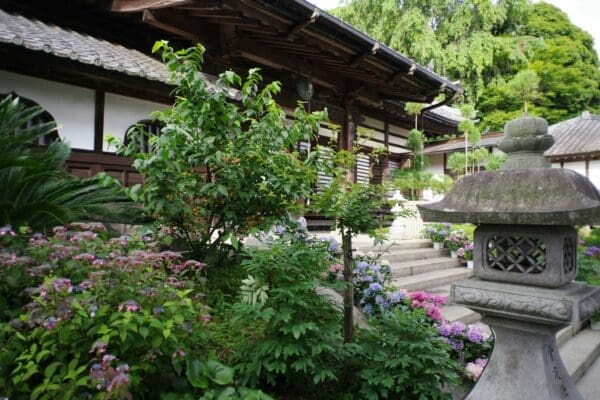
Japanese outdoor design has long inspired homeowners who want their outdoor spaces to feel peaceful, balanced, and closely connected to nature. Instead of focusing on excess decoration, this design philosophy emphasizes harmony between natural materials, open space, and subtle details that encourage relaxation. Homeowners exploring custom decks in Lancaster County are increasingly incorporating layered wood, stone, and water elements into their outdoor spaces to create calming environments that feel timeless and deeply connected to the surrounding landscape.
Natural Materials Create a Sense of Balance
The careful use of natural materials is one of the things that makes Japanese-style garden design unique. Wood, stone, and water are not seen as different pieces of art. Instead, they work together to create a balanced space where everything feels as if it were meant to be there and is connected.
Wood is often used as the base of the room. Decks, pergolas, walkways, and seating areas add warmth to the outdoor space and make it feel more welcoming. Natural wood tones also don’t stand out against the surrounding gardens and greenery; instead, they blend in.
Stone adds contrast and structure to the design without taking over. Pathways, retaining walls, gravel areas, and stone features help ground the landscape visually and add to its natural feel. Outdoor areas made of both stone and wood feel peaceful and long-lasting.
Water Features Encourage Calm and Reflection
Water plays a vital role in traditional Japanese outdoor design, introducing movement, sound, and a sense of peacefulness. Water features, even little ones, can radically change the mood of a backyard, dampening sounds and creating a more serene setting. Many homeowners choose basic water features such as small ponds, fountains, or narrow streams that flow organically through the landscape.
When people think about water features in a garden, they often picture something bold or dramatic. In Japanese garden design, the goal is usually much simpler. Gentle movement, soft sounds, and natural elements help create a space that feels calm and relaxing. These features encourage people to slow down, notice their surroundings, and feel more connected to nature without making the space feel busy or overwhelming.
Layered Designs Create Depth and Movement
Outdoor areas with a Japanese flair seldom have a single, big focal point. Rather, they employ layers to organically direct the viewer’s gaze across the terrain. Together, the various heights, materials, and textures give the yard depth and visual movement.
This layered look is created by raised planters, stone walkways, deck levels, and thoughtfully positioned vegetation. Rather than feeling divided or disjointed, each segment flows into the next. This makes even little backyards appear more roomy and well-planned.
When people walk through a well-designed space, they usually notice the larger features first. What they may not realize right away is how smaller details, like a hidden water feature, a curved walkway, or a quiet dining area tucked into the landscape, help the space feel more inviting. These layered elements keep the design feeling calm and organized without making it feel repetitive or overcrowded.
Simplicity Often Feels More Relaxing
Modern outdoor areas can feel crowded when there is too much furniture, too much decor, and clashing design elements. Japanese outdoor philosophy takes a different approach by embracing simplicity and restraint. It’s not seen as something that needs to be filled, but as an important part of the design as a whole. This level of simplicity makes the textures and materials of the natural world pop out more.
When people start planning an outdoor space, they sometimes think adding more features will make it look better. In reality, too many features can make a space feel crowded. When the layout is simpler, it’s easier to notice the wood, stone, and water throughout the space. Homeowners who work with a custom deck contractor often find that good spacing and smaller details can make an outdoor area feel much more calm and welcoming.
Outdoor Spaces Become Places to Disconnect
Japanese-style outdoor spaces are becoming increasingly popular because many people want places to escape the noise and worries of everyday life. Backyards are increasingly being designed as places for quiet conversation, reading, reflection, or simply spending time outdoors without constant distraction.
Natural materials enhance that experience by making the space feel calmer and more grounded. Sounds of water, shady benches, and layered planting all make people move more slowly and feel calmer. The space feels less like an entertainment zone and more like a personal retreat.
Conclusion
Japanese outdoor design ideas use layered wood, stone, and water features to make spaces that feel balanced, calm, and deeply linked to nature. Instead of relying on elaborate decorations, these designs shape the outdoor experience through harmony, simplicity, and the careful use of natural materials. As more homeowners explore custom decks in Lancaster County, many are embracing Japanese-inspired design principles to create peaceful backyard environments that encourage relaxation, reflection, and year-round enjoyment.