How Family Dentists Help Protect Developing Teeth
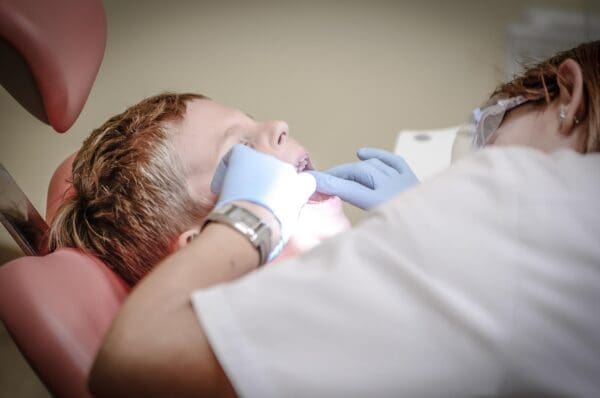
Your child’s teeth start changing fast. New teeth push through. Old teeth loosen. Small habits turn into long-term patterns. During this time, you need clear guidance and steady support. A family dentist watches these changes and steps in before small problems turn into painful damage. Regular visits catch tooth decay early. Cleanings remove stubborn plaque that brushing misses. Simple checks reveal crowding or bite issues before they hurt your child’s confidence. If you use family dentistry in Allen park, your child sees the same trusted team at every stage. That steady relationship reduces fear and builds trust. It also helps you understand what is normal and what needs attention. You do not have to guess about thumb sucking, sugar, or sports injuries. A family dentist walks with you, explains your options, and helps protect each new tooth as it grows.
Why baby teeth matter for lifelong health
Baby teeth fall out. They still shape your child’s health. They guide adult teeth into place. They support clear speech. They let your child chew healthy food without pain.
When baby teeth break, rot, or fall out too soon, you see three common problems. Your child may avoid healthy food. Your child may struggle to speak clearly. Your child may feel shame about smiling. These problems can last long after the tooth is gone.
A family dentist tracks each baby tooth. You get an early warning when a tooth looks weak, worn, or infected. You also learn how long each tooth should stay in place so adult teeth can grow in with enough space.
Key ways family dentists protect growing teeth
During each visit, a family dentist focuses on three simple goals. Prevent disease. Guide growth. Support habits at home.
- Prevent disease with cleanings, sealants, and fluoride
- Guide growth with exams, x rays, and referrals when needed
- Support habits with clear advice that fits your home life
You see this work in small steps. The dentist looks for soft spots that may turn into cavities. The team cleans the gumline where your child misses with the brush. You hear direct feedback on brushing and flossing. You also hear clear answers about snacks, juice, and night bottles.
Preventive tools that shield young teeth
Family dentists use a few simple tools again and again. Each one lowers the chance of painful treatment later.
- Cleanings remove plaque and hardened tartar from teeth and gums.
- Fluoride treatments make tooth enamel harder and more resistant to decay. The Centers for Disease Control and Prevention explains that fluoride helps prevent cavities for children and adults.
- Dental sealants coat the grooves of back teeth so food and germs cannot hide there. The CDC reports that sealants can prevent many cavities in school-age children.
These steps are quick. They are also quiet and gentle. When you repeat them on a set schedule, you lower the chance that your child will ever need emergency treatment for tooth pain.
Guiding jaw growth and tooth alignment
As your child grows, the jaw and face change shape. Teeth may crowd. They may twist. The top and bottom teeth may not meet in a way that lets your child chew well.
A family dentist tracks this growth. The dentist checks how your child bites and chews. The dentist watches for mouth breathing, grinding, or clenching. The dentist orders X-rays only when needed to see adult teeth under the gums.
When the dentist sees early signs of crowding or bite problems, you hear clear options. Sometimes simple changes in habits help. Sometimes a referral to an orthodontist makes sense. Early action often means shorter, easier treatment later.
Teaching daily habits that actually work
Strong teeth depend on what your child does at home. Brushing. Flossing. Food choices. Hydration. A family dentist turns these into simple steps you can manage.
You can expect clear guidance on three things.
- How to brush twice a day with a small smear or pea-sized amount of fluoride toothpaste
- How to floss once a day when teeth touch
- How to limit sticky sweets, juice, and constant snacking
The dentist also shows you how to position your child for brushing. You may sit on the couch. Your child may rest their head on your lap. This can turn a struggle into a calm routine.
How often should children see a family dentist
The American Academy of Pediatric Dentistry advises that children visit the dentist every six months in most cases. You can read more about timing and visit expectations from the American Academy of Pediatric Dentistry.
Some children need more frequent visits. Your dentist may suggest this if your child has many cavities, special health needs, or braces. You and the dentist can adjust the schedule as your child grows.
Suggested dental visit schedule for children
| Age | Visit frequency | Main focus of visits |
|---|---|---|
| 1 to 3 years | Every 6 to 12 months | First exam, comfort in chair, early cavity checks |
| 4 to 6 years | Every 6 months | Cleanings, fluoride, sealants on new molars |
| 7 to 12 years | Every 6 months | Growth checks, orthodontic screening, habit support |
| 13 to 18 years | Every 6 months | Wisdom teeth checks, sports mouthguards, diet risks |
Handling habits, sports, and accidents
Childhood brings thumb sucking, pacifiers, falls, and sports. Each one can shape teeth.
A family dentist helps you set limits on thumb or finger sucking so front teeth stay in line. The dentist talks with you about pacifier use and how to phase it out. You also get clear steps to protect teeth during sports with custom mouthguards.
When accidents happen, you have a trusted place to call. You get direct instructions for broken teeth, knocked-out teeth, or lip cuts. That clear path can lower fear for you and your child.
Working as a team to protect each new tooth
Protection of developing teeth is a shared job. You bring your child in on time. You support brushing, flossing, and smart snacks. The family dentist tracks growth, treats problems early, and guides each next step.
With regular care and honest guidance, your child learns that the dental chair is a safe place. Your child learns that teeth deserve respect. Over time, that respect turns into a strong, confident smile that carries through adult life.