Preventing Jawbone Loss: Why Replacing Missing Teeth Matters

Missing teeth are far more than a cosmetic concern—they’re an important signal that your oral health needs extra attention. If a tooth is left unreplaced, the jawbone beneath that area lacks stimulation, which is crucial for maintaining its strength and volume. Over time, this neglect allows the bone to shrink and deteriorate, weakening your dental foundation and potentially affecting your appearance. Replacing missing teeth should be a priority, not just for your smile, but for your overall oral health and function, particularly with modern solutions like dental implants Greenacres, FL that help restore strength and appearance.
Bone loss occurs rapidly after tooth loss, with studies showing that as much as 25% of bone width may disappear within the first year. Left unchecked, this can lead to complications that affect your entire mouth, including shifting teeth, difficulty with speech or eating, and changes in facial structure.
The effects of jawbone loss extend far beyond the gap of a missing tooth. Neighboring teeth may drift out of alignment, and wearing dentures can become increasingly uncomfortable. For those struggling with oral health changes, preserving the jawbone isn’t just a dental issue—it’s about maintaining quality of life.
Understanding Jawbone Loss
The jawbone depends on regular stimulation from tooth roots to remain strong and dense. When a tooth is lost, this stimulation halts, causing the bone in that area to begin resorbing, or shrinking. Unlike other bones in the body that can recover after minor injuries, the jawbone requires direct mechanical stimulus, usually through biting and chewing, to maintain its density and volume.
This biological response means that the longer a tooth remains unreplaced, the more pronounced and permanent the bone loss can become. Advanced bone loss may not only complicate future dental restoration efforts, but can also lead to further tooth loss if nearby teeth lose their support.
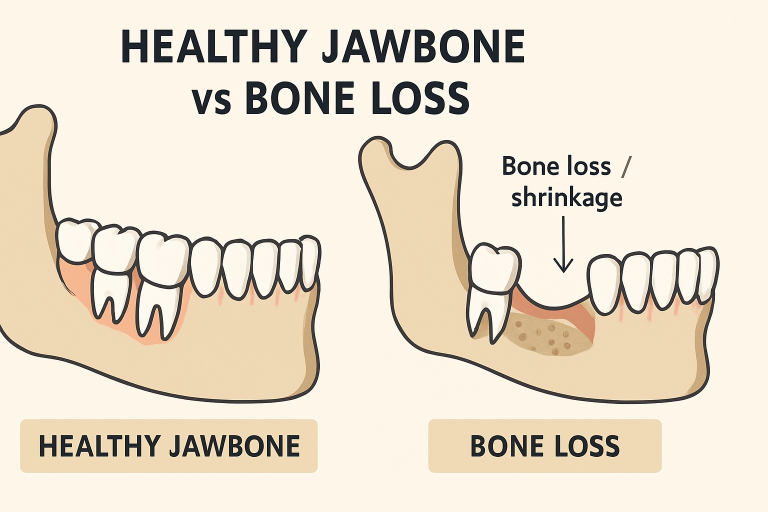
Consequences of Jawbone Deterioration
- Altered Facial Structure: Significant bone loss can cause the face to look sunken or aged as support for the lips, cheeks, and skin decreases.
- Shifting Teeth: Teeth adjacent to a missing tooth can drift into the gap, causing misalignment, crowding, and bite problems.
- Difficulty with Dentures: Jawbone shrinkage can make it challenging to fit and stabilize dentures, resulting in discomfort and reduced chewing ability.
- Speech Impediments: Missing teeth and bone loss can alter the formation of sounds, impacting clear speech and confidence.
Benefits of Replacing Missing Teeth
Choosing to replace lost teeth promptly can help prevent the negative effects of jawbone loss. Options such as dental implants function like artificial tooth roots, providing essential stimulation that helps preserve bone volume and density.
- Preservation of Bone Density: Dental implants are the only restoration that integrates with the jawbone, naturally supporting bone health and function.
- Restored Function: With proper tooth replacement, you can regain the confidence to eat, speak, and smile with confidence. Clear speech and proper chewing play a significant role in maintaining long-term wellness.
- Enhanced Aesthetics: Replacing teeth ensures that facial contours remain supported, preventing premature aging and maintaining a vibrant appearance.
Additionally, prompt tooth replacement protects the health and alignment of your remaining natural teeth, which can otherwise shift and lead to further dental issues.
Options for Replacing Missing Teeth
Dental Implants
Dental implants are widely considered the gold standard for tooth replacement. These titanium fixtures are embedded into the jawbone, where they fuse naturally over several months—a process called osseointegration. Not only do implants offer unmatched stability, but they also provide continuous stimulation to the bone, just like natural roots.
Dental Bridges
Dental bridges are a fixed solution that replaces one or more adjacent missing teeth. They’re anchored to healthy teeth on each side of the gap, but do not stimulate the jawbone like implants. While bridges restore appearance and function, they won’t halt bone loss in the area of the missing tooth.
Partial and Full Dentures
Removable appliances, such as partial or full dentures, are options for individuals missing multiple teeth. While they improve appearance and facilitate eating and speaking, dentures rest atop the gum rather than stimulating the jawbone, so bone loss may still occur over time.
Preventive Measures
- Act Quickly: The sooner a missing tooth is replaced, the greater the chance of preserving jawbone density and oral function.
- Pursue Routine Dental Care: Regular dental check-ups and cleanings enable the early detection of dental issues before they progress to tooth loss.
- Maintain Excellent Oral Hygiene: Brushing twice daily, flossing, and using antimicrobial mouthwash help prevent gum disease and other causes of tooth loss.
- Consider Lifestyle Factors: Quitting smoking, maintaining a nutritious diet, and managing health conditions like diabetes all contribute to better oral and bone health.
Conclusion
Preserving your jawbone health is essential for long-term oral wellness and self-confidence. By addressing missing teeth quickly—whether with dental implants, bridges, or dentures—you not only maintain your smile but also ensure your bone structure stays strong. Consider consulting with a dental professional to determine the best tooth replacement strategy for your specific needs. Safeguarding against jawbone loss is a decision that protects both your appearance and quality of life for years to come.