How Do Septic Systems Work? And How To Avoid Costly Repairs
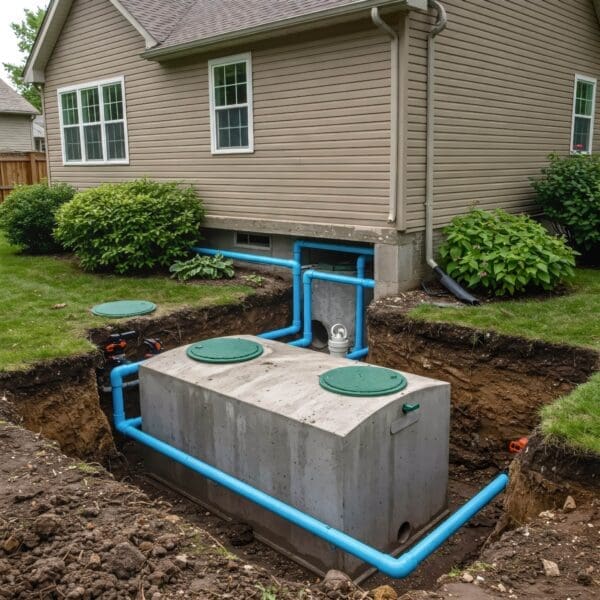
A septic system quietly handles all your home’s wastewater. But when it fails, the mess and repair costs can be huge. Understanding how it works is the first step to keeping it trouble-free. With the right care, you can avoid major headaches and save money down the line. Are you doing what’s needed to keep yours running smoothly?
How Do Septic Systems Work?
A septic system is a private wastewater treatment setup used mostly in rural areas where homes aren’t connected to a city sewer line. It handles all the water that goes down your toilets, sinks, showers, and washing machine.
A typical septic system has two main parts: the storage tank (or septic tank) and the leach field, also called a drain field. Wastewater first flows into the tank, a buried, watertight container. Inside, solid waste settles at the bottom to form the sludge layer, while lighter organic materials like grease float to the top. In the middle, liquid wastewater, known as effluent, flows through outlet pipes into the distribution box, which evenly directs it into the perforated pipes of the drain field.
In the soil absorption area, the effluent filters through gravel, sand filters, and soil, which remove harmful substances with the help of beneficial bacteria. The anaerobic bacteria in the tank break down organic matter, though not everything fully decomposes. According to Sequoia Pumping’s website (www.sequoiapumping.com), regular pumping is necessary to manage buildup and keep the system working properly.
A well-maintained septic system can last for decades, but if it’s ignored, it can raise the water table or pollute nearby wells and land.
Signs Your Septic System Is Not Working Right
Knowing the early warning signs of septic system failure can save you from a messy and expensive problem. One of the first things many homeowners notice is slow drains. If sinks, tubs, or toilets are taking longer than usual to empty, it could mean your system is getting backed up with solid materials.
Another sign is a foul smell near your ground surface, especially around the tank or leach field. This can come from untreated human waste or liquid wastewater seeping through cracks.
Watch for soggy areas, puddles, or unusually green grass near the drain field. These could mean the drainage pipe or other parts are leaking. Some homeowners even report problems after flushing items like cat litter, which can clog the system and harm the bacteria.
Regardless of the type of septic system you have, ignoring these problems can lead to damage not just to the treatment systems, but also to your yard, plumbing, and even your home’s foundation.
How to Avoid Costly Septic Repairs
Keeping your eco-friendly septic system in good shape doesn’t have to be hard. A few smart habits can help you avoid big repair bills. First, schedule regular pumping. Pumping every 3 to 5 years is a good rule for a conventional septic system.
Be careful with what you flush or pour down the drain. Avoid wipes, grease, cat litter, and harsh chemicals that can disturb the balance of beneficial bacteria in the tank. These bacteria are key to breaking down organic matter and solid materials.
Also, spread out your water usage. Using too much water at once can overwhelm the tank and the aerobic treatment unit, if your system has one. Overload can push solid waste into the distribution box or clog effluent filters.
Protect the leach field by never parking over it and planting only grass on top as well. Deep-rooted trees can damage perforated pipes, and excess surface water can affect soil absorption.
Preventive care keeps your treatment system working better and longer.
When to Call a Professional

Sometimes, calling a pro is the best decision. If you notice slow drains, smells, or soggy spots, it’s time to get help. These signs can point to deeper issues like clogs or leaks in the outlet pipes, or failure in cluster systems or descentralized wastewater treatment systems. It’s especially true if your home doesn’t use a single, private tank.
If it’s been years since your last pumping, a professional can check for buildup in the sludge layer, damaged effluent filters, or problems in your storage tank. They can also test how well your drainage pipe is performing and make sure the soil absorption process isn’t being blocked.
Don’t rely on quick fixes or harsh cleaners. They can damage your system and destroy helpful anaerobic bacteria. Let trained technicians inspect and treat your system properly before the damage grows.
Keep Your System Strong
Taking care of your septic system is a way to protect your home and budget. Small changes in what you flush, how you use water, and keeping up with maintenance can make a big difference. Give your system the care it needs to keep working right.