How Coastal Living Shapes Homebuying Decisions
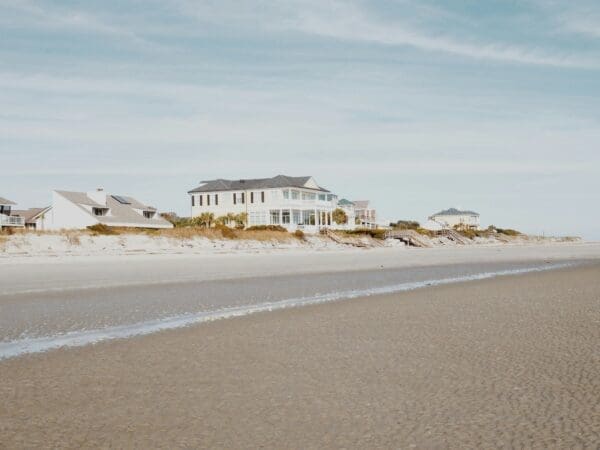
Coastal living has long captivated homebuyers with its promise of stunning views, mild climates, and easy access to the water. Waking up to the sound of the surf or walking along sandy shores at dusk can make everyday life feel like a permanent retreat. These natural advantages create a lifestyle that many seek, but the appeal often extends beyond mere aesthetics. Fort Lauderdale Beach homes for sale continue to attract discerning buyers who crave an enviable balance between coastal beauty and urban convenience.
Besides natural scenery, coastal areas present opportunities for recreation and wellness, from boating and fishing to jogging along scenic boardwalks. These lifestyle features are often matched by a vibrant social community, making coastal properties desirable for full-time residents as well as those seeking second homes or investment opportunities. However, there are distinct considerations when choosing a home in these regions, requiring buyers to weigh their dreams against practical realities, such as local regulations and weather-related risks.
Buyers should also factor in the pace of development along the coast, which can range from quiet, tight-knit towns to bustling tourist destinations. For many, the coastal dream includes walkable access to boutiques, restaurants, and cultural attractions, making the surrounding neighborhood as important as the property itself.
Coastal living is not solely about private enjoyment. Rising property demand has spurred new trends in sustainable design, resilient building practices, and the integration of advanced technology to address the region’s unique environmental and social challenges. These evolving standards are shaping the expectations of real estate and the future of coastal homeownership.
Environmental Considerations and Property Values
Coastal homeowners face heightened risks related to severe weather, flooding, and shoreline erosion, which have become pressing issues due to climate change. In places like Nantucket, dramatic examples abound—such as a property listed at $2 million that sold for just $600,000 following a major storm and significant beach loss. Such cases underscore the profound and immediate impact that environmental change can have on property values, buyer confidence, and future investment potential.
Sea level rise and extreme weather events are predicted to accelerate, making it increasingly important for buyers to assess the risk associated with their chosen coastal locations. Savvy buyers are now seeking homes situated on higher ground, built with reinforced materials, or featuring flood-mitigation systems. Local government initiatives, zoning laws, and insurance requirements continue to change in response to these evolving risks, making it crucial for buyers to stay informed about regional policies before investing.

Modern Homebuyer Preferences
Sustainable Design and Eco-friendly Living
A growing majority of coastal buyers are prioritizing sustainability in their home selection. Modern homes often feature solar panels, smart thermostats, and water-saving appliances that reduce utility costs and minimize environmental impact. Energy-efficient windows and environmentally friendly building materials are becoming not just desirable, but expected.
Smart Technology Integration
Technology plays a significant role in enhancing both convenience and safety for coastal properties. Smart security systems provide peace of mind, while automated lighting, window treatments, and climate control help homeowners maintain a comfortable environment year-round. Advanced storm shutters, water detection sensors, and remote monitoring are also increasingly standard, further protecting homes from coastal hazards.
Resilient Construction: Building for the Future
Newer coastal homes are designed with resilience in mind. Elevated foundations, reinforced frames, hurricane-rated windows, and advanced drainage systems help homes withstand storms, flooding, and high winds—protecting both property and investment. As regulations become more stringent, older homes are increasingly being updated or replaced to meet these resilience standards.
Market Trends and Investment Considerations
The coastal real estate market is in flux, shaped by shifting demand from both primary and secondary homebuyers. Popular destinations are experiencing increased competition and rising home values, particularly in communities that offer strong infrastructure and lifestyle amenities. However, the financial realities of ownership include higher insurance premiums and the potential for unexpected repair costs due to storm or saltwater damage. Lending requirements have also tightened, often calling for larger down payments and flood insurance coverage.
Prospective buyers should consult local market reports and evaluate long-term trends before making a purchasing decision. Working with a qualified local agent knowledgeable about regulatory changes and specialist financing options can make the process significantly smoother and less risky.
Community and Lifestyle Factors
For many buyers, the community culture is as vital as the physical home itself. Coastal neighborhoods emphasize a sense of connection, from farmers’ markets and art festivals to environmental clean-up events. Buyers value high walkability, easy access to parks and waterfront trails, as well as proximity to amenities that support a healthy and engaging lifestyle. Engaged coastal communities foster an atmosphere where residents not only thrive individually but also contribute to regional stewardship and sustainability goals.
Such active communities, combined with beautiful natural surroundings and robust local amenities, help explain why demand for coastal properties remains resilient, even in the face of environmental and economic uncertainties.
Final Thoughts
Coastal living delivers a unique blend of lifestyle, community, and investment opportunity—balanced against region-specific challenges. With evolving buyer preferences, environmental realities, and changing market conditions, prospective homeowners must conduct thorough research, assess all risks, and strategize their purchase with care. An informed, proactive approach ensures buyers can realize all the benefits of coastal living while protecting their investment for the long term.