How Architecture Shapes Urban Identity
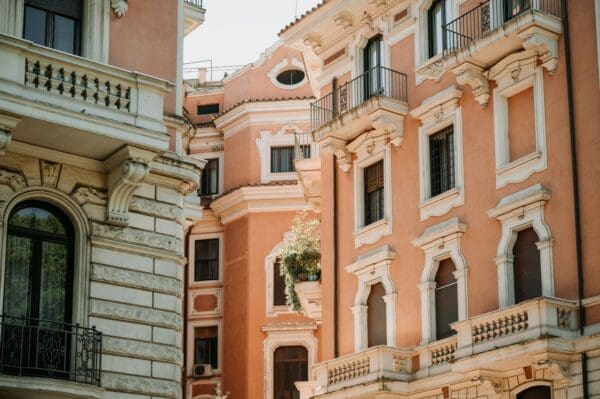
Architecture acts as the visual and functional language of a city, influencing everything from daily routines to collective memory. Every street, plaza, and public building tells a story about its community, drawing from the past and looking toward the future. The unique blend of materials, design philosophies, and local influence sets each city apart, making urban environments dynamic and distinct. Those seeking inspiration or guidance for city-defining projects often look to expert architects in Scottsdale, AZ to bring visionary concepts to life at a community scale.
Urban environments significantly influence individuals, whether as residents or visitors, by affecting interactions in public spaces and fostering community ties. The impact of architecture goes beyond visual appeal, contributing to economic and cultural exchanges in neighborhoods. Urban identity is dynamic, evolving with population changes and new design technologies. This development reflects a balance between historical influences and modern innovations, with a focus on sustainability, inclusivity, and cultural expression in urban design. It is crucial for stakeholders such as city planners, builders, and residents to understand how architectural choices shape urban life, enabling cities to meet community needs and create equitable, enduring urban ecosystems.
Defining Urban Identity
Urban identity is the set of features and intangible qualities that distinguish a city, making it recognizable and meaningful. These elements include architectural character, historical sites, spatial layout, and the blend of cultures that converge in city life. Notably, factors like landmark buildings, distinctive skylines, and the preservation of cultural or artistic traditions create an instantly identifiable sense of place. Even subtle design elements, such as the choice of local materials or the integration of green spaces, shape how a city’s story is told and remembered.
Local identity is more intimate, forming through shared routines, language, and customs. On a deeper level, place identity describes the personal attachment and meaning individuals associate with particular spaces in the city. Understanding these overlapping identities is key to creating communities where both residents and visitors feel seen, connected, and inspired.
Architecture’s Role in Shaping Urban Identity
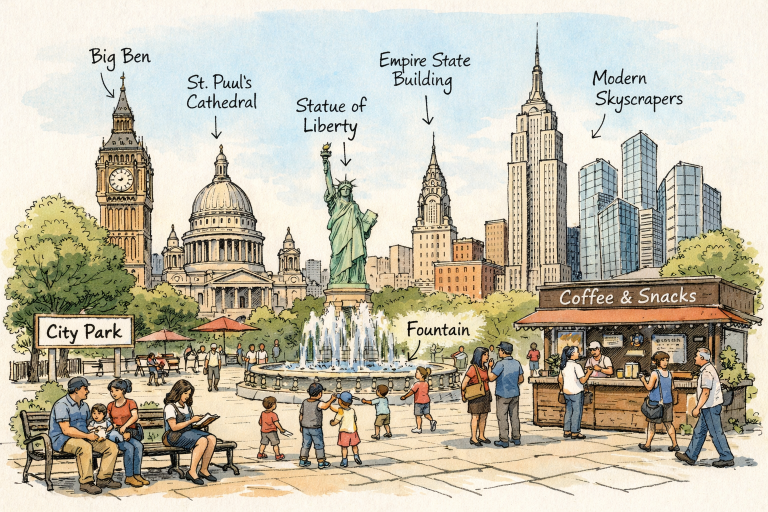
The impact of architecture on urban identity extends far beyond mere appearance. Thoughtful design can help foster social connection, support sustainable growth, and represent collective values. From innovative social housing projects to iconic high-rises, architecture helps set the tone for urban life. For example, cities such as Tokyo merge ancient temples with futuristic towers, creating streetscapes that embrace both heritage and forward-thinking dynamism. This visual language serves as a marker of local pride and a bridge between different eras and influences.
Urban architecture communicates values through both function and form. When public buildings express transparency, accessibility, or green technology, they reinforce social aspirations and guide community expectations. The materials, scale, and interactions between buildings and people collectively generate a shared sense of identity, belonging, and ambition.
Case Studies
Barcelona is renowned for integrating architectural ingenuity with local culture, largely through the influence of Antoni Gaudí. Landmarks such as the Sagrada Família and Park Güell have become global icons, drawing millions while preserving Catalan heritage. Similarly, Chicago stands out for marrying early skyscraper construction with ambitious public spaces like Millennium Park. The sense of place these buildings provide is essential for cultivating community spirit and international recognition. Other cities, such as Copenhagen, have used architectural reforms to drive sustainability and inclusivity, setting global standards for urban living. For more on urban transformation, the Guardian Cities resource highlights how design shapes city life.
Challenges in Balancing Heritage and Modernity
Many cities grapple with preserving historical character while accommodating population growth and technological advances. The pressure of globalization often drives urban areas toward uniformity, risking the loss of local distinctiveness. New building methods and materials, while bringing energy efficiency and resilience, can sometimes diminish the value of older structures that embody city history.
Unregulated development or the absence of preservation policies puts unique architectural assets in jeopardy. The Ensanche of San Sebastián illustrates this tension. With many original sandstone buildings, the area’s character is at risk due to unsympathetic upgrades and a lack of protection. Successfully navigating the intersection of heritage and innovation calls for sensitive design, inclusive community planning, and clear legislative frameworks to ensure that cities remain authentic and livable.
Community Engagement in Urban Design
Residents’ participation in planning and design is crucial in creating equitable cities and meaningful urban environments. When people take part in decisions about their surroundings, they are more likely to experience a sense of agency, pride, and stewardship. This collective efficacy translates into cleaner, safer, and more harmonious neighborhoods. Engaged communities co-create spaces that reflect their needs and aspirations, from accessible public transit to vibrant parks and cultural centers, reinforcing the social fabric of urban life.
Conclusion
Architecture is a driving factor in shaping how cities are perceived and experienced by current and future generations. By balancing heritage preservation, innovative design, and community collaboration, architects and urban planners can foster environments where people thrive, cultures merge, and identities endure. The visual and emotional impressions made by well-designed spaces not only attract new opportunities but also bind residents to a living, evolving tradition of place. Prioritizing thoughtful architecture and inclusive planning ensures that urban identities sustain their richness, character, and vibrancy in a rapidly changing world.