How a Water Softener System Can Improve Your Home’s Water Quality

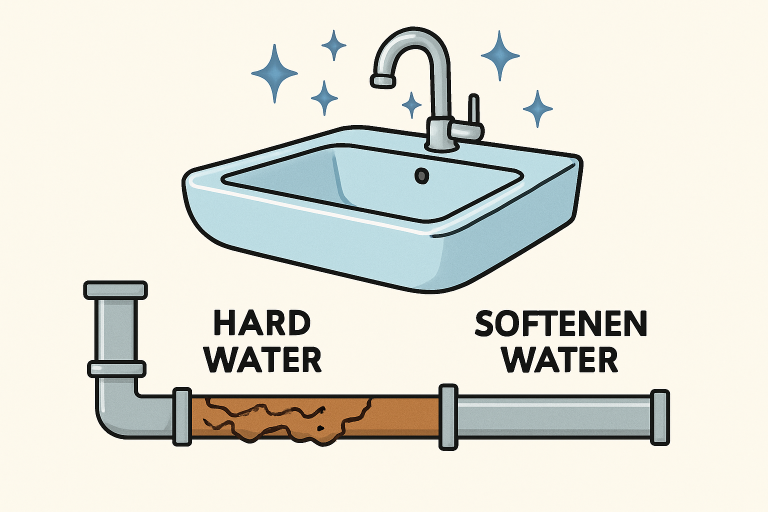
Many households across the country face the persistent problem of hard water—an often-overlooked issue that becomes increasingly difficult to ignore. Hard water occurs when your tap water contains elevated levels of naturally occurring minerals, mainly calcium and magnesium. These minerals enter the water as it passes through limestone and chalk deposits underground. Over time, they accumulate inside pipes, water heaters, and household appliances, leading to scale buildup that reduces the flow of water and the overall efficiency of your plumbing system. Water heaters, for example, can become less effective as scale insulates heating elements, making it harder and more expensive to keep your shower or bath warm.
Aside from these technical concerns, hard water affects the quality of life for homeowners in many daily routines. The minerals in hard water interact poorly with soaps and detergents, making it difficult to generate a foamy lather.
By investing in a water softener system, homeowners can remove these excess minerals before the water enters plumbing and appliances. This not only mitigates the visible marks left behind by hard water but also prevents the underlying scale that leads to costly repairs and higher utility bills. Making the switch to softer water brings both immediate and long-term advantages, including a noticeable boost in household cleanliness, comfort, and the operational efficiency of water-using devices.
Benefits of Installing a Water Softener System
- Extended Appliance Lifespan: Hard water scale can shorten the useful life of washing machines, dishwashers, and water heaters. Softened water, free from damaging minerals, enables these appliances to operate as designed, maintaining their efficiency and preventing costly breakdowns caused by mineral buildup and blockages.
- Improved Cleaning Efficiency: With softened water, soaps and detergents lather more easily, making cleaning more effective. This means fewer spots and streaks on your dishes and glassware, brighter laundry, and sparkling sinks and fixtures. In the bathroom and kitchen, surfaces are easier to wipe down and maintain their appearance.
- Healthier Skin and Hair: Without harsh minerals, soft water is far gentler on skin and hair. Many users report improvements, such as softer skin, shinier hair, and reduced irritation or dryness, after bathing or showering. This can be particularly beneficial for people with sensitive skin, eczema, or similar conditions.
- Cost Savings: Softened water helps reduce not only energy consumption (as appliances run more efficiently) but also the quantity of detergent, shampoo, and cleaning supplies needed for everyday tasks. Over time, homeowners may experience lower energy bills, fewer appliance repairs, and savings on household cleaning products.
In addition to the major household benefits, softening your water addresses several common frustrations, such as rough towels, faded clothing, and the gradual wearing out of plumbing infrastructure. Homeowners who upgrade often notice a clear difference—softer towels, longer-lasting clothes, and reduced scale buildup, making home maintenance far less daunting.
Choosing the Right Water Softener System
Selecting the most appropriate water softener for your home involves careful consideration of several factors beyond just brand and price. It’s essential to start by testing your water’s hardness level and analyzing your household’s water consumption patterns. Homes with larger families or higher water use may need systems with greater capacity or more advanced features to meet demand efficiently and reliably. Traditional salt-based softeners utilize ion-exchange technology to physically remove calcium and magnesium ions, replacing them with sodium or potassium, thus effectively ‘softening’ the water. In contrast, salt-free systems condition rather than chemically alter the water, using various methods such as template-assisted crystallization. These alternatives may be preferable in areas where brine discharge regulations are stringent or where homeowners have concerns about their health or dietary sodium intake.
Other factors to consider include the system’s regeneration cycle (i.e., how often the resin bed is recharged), user interface features (such as programmable settings and displays), warranty coverage, and the availability of support from manufacturers or installers. Partnering with a reputable water treatment professional ensures that your softener is the right size and installed correctly, which in turn optimizes performance and prevents common installation pitfalls.
Maintenance and Care for Optimal Performance
Routine maintenance is a fundamental part of ensuring your investment in a water softener pays off over the long run. Most systems require regular additions of salt or potassium pellets, as recommended by the manufacturer. It’s a good practice to check the brine and resin tanks every month or two, looking for salt “bridges” (hard crusts that form over pellets) and promptly cleaning out any accumulated residue. Some homeowners also choose to sanitize tanks periodically to prevent bacterial growth or unwanted odors.
Annual or biennial inspections by a professional technician are recommended to ensure all components—including valves, settings, and the regeneration controller—are functioning optimally. Promptly repairing leaks, recalibrating settings after changes in water usage, and using high-purity salt products all contribute to the system’s long-term reliability and improvement in water quality. Following the manufacturer’s suggested maintenance intervals and troubleshooting tips minimizes downtime, extends the softener’s lifespan, and ensures it continues operating efficiently and effectively.
Environmental Considerations
While water softeners provide substantial improvements to water quality and household comfort, it’s essential to consider their environmental impact. The primary concern is the additional salt from the softener’s regeneration process, which enters municipal wastewater systems or, in rural areas, septic tanks and drain fields. Over time, increased salt levels can affect soil and groundwater quality, impacting local ecosystems and sometimes posing challenges for wastewater treatment infrastructure.
To minimize environmental impact, homeowners should consider high-efficiency systems that optimize salt and water usage. Newer water softener models may incorporate smart technology that adjusts regeneration cycles based on actual water usage, thereby reducing unnecessary waste. It’s also wise to recycle water softener discharge when possible and remain informed about any local ordinances relating to water softener operation. In some communities, there may be strict limits or specific guidance for handling brine discharge, so homeowners need to stay proactive and compliant.
Final Thoughts
A water softener system can play a substantial role in enhancing your home’s water quality and overall comfort. From prolonging the life of major appliances and fixtures to improving the overall feel and functionality of water during daily routines, the benefits of soft water are far-reaching. With careful selection, responsible maintenance, and attention to environmental factors, homeowners can maximize the positive impact of softening their water while minimizing potential drawbacks. Embracing water softening technology is a smart, practical step for anyone seeking to create a healthier, more efficient, and easier-to-maintain household environment.
Similar Posts:
- Water Softener Installation in Batavia, IL: Protect Your Home and Improve Water Quality
- How to Choose a Water Softener System
- The Benefits of Installing a Water Softener in Your Home for Your Family
- Essential Home Services: Upgrading Exteriors and Water Systems
- Maintaining Your Water Softener System: Tips and Tricks for Optimal Performance