From Consultation To Recovery: How Long Do Dental Implants Take
Dental implants have become a sought-after solution for individuals seeking to restore their smiles and oral function. They provide a durable and natural-looking solution for missing teeth and have revolutionized the field of dentistry.
However, receiving dental implants involves several stages, each with its own timeline. Understanding the step-by-step journey from initial consultation to final restoration is crucial for patients considering this treatment option.
Read on to learn more about the dental implant timeline and how it can benefit you.
Initial Consultation and Assessment
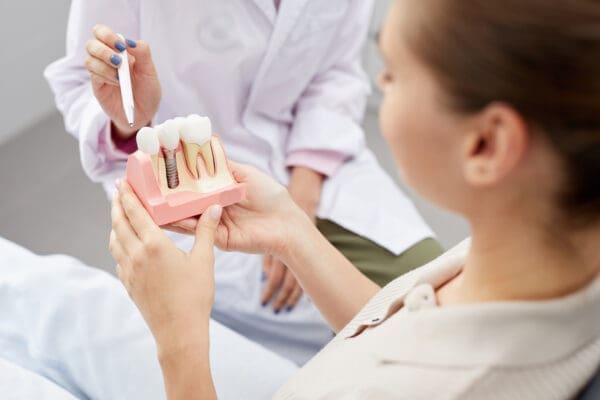
The initial consultation and assessment are crucial before starting with dental implants. During this visit, your dentist will evaluate your overall oral health to determine if you are suitable for the procedure. Dental practices, such as Durango, CO dentist, follow a thorough process to ensure that you receive the most appropriate treatment for your needs.
The following components are typically included in this phase:
Comprehensive oral examination
A thorough oral health evaluation is the first step in determining your suitability for dental implants. Your dentist will carefully examine your teeth, gums, and jawbone to assess their overall condition. This examination involves a visual inspection using dental instruments and diagnostic tools such as X-rays or 3D imaging. These advanced imaging techniques provide detailed information about the bone density, tooth roots, and surrounding structures, helping your dentist identify any potential issues that may affect the implant placement process.
Treatment planning
Based on the comprehensive oral examination findings, your dentist will develop a customized treatment plan tailored to your specific needs. This plan outlines the number and placement of dental implants required to restore your smile. Factors such as the number of missing teeth, the condition of your jawbone, and your personal preferences will be considered when creating the treatment plan. Additionally, the type of implant, such as single-tooth, bridge, or full-arch, will be determined based on your dental situation.
Discussion of treatment options
During the consultation, your dentist will discuss various treatment options. This includes explaining the dental implant process, potential benefits, and limitations. Other possible treatment options, such as gum disease therapy or tooth extraction, may also be discussed to optimize oral health before implant placement.
The initial consultation is a foundation for your dental implant journey, providing essential information and guidance to help you make informed decisions.
Placement of the Implant Post
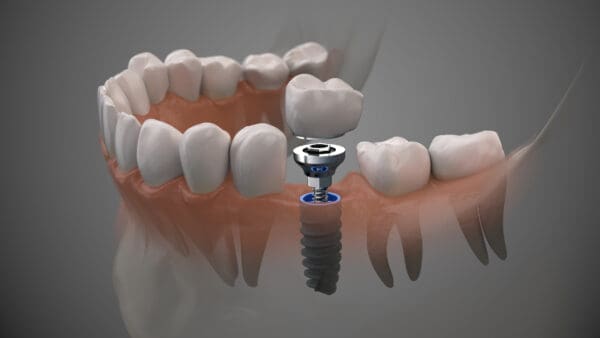
The placement of the implant post is a surgical procedure that marks the beginning of the dental implant process. This involves inserting a titanium post into your jawbone to replace the root of your missing tooth.
The implant placement process typically involves the following steps:
Surgical procedure
The placement of a dental implant is a surgical procedure performed by a dentist or oral surgeon. It involves carefully inserting a titanium post into the jawbone, where it will replace the root of a missing tooth. This procedure typically requires local anesthesia to numb the area, and in some cases, sedation may be used for patient comfort. The actual placement of the implant usually takes about one to two hours, depending on the number of implants being placed and the complexity of the case.
Initial healing
Following the implant placement surgery, it’s normal to experience swelling and discomfort in the area. These are common side effects of the procedure. To manage these symptoms, over-the-counter pain relievers like ibuprofen or acetaminophen can be taken as directed. Cold compresses applied to the affected area can also help reduce swelling. Following your dentist’s post-operative instructions promotes healing and prevents complications.
Osseointegration
Osseointegration is a crucial phase in the dental implant process. It refers to the process by which the implant fuses with the surrounding jawbone. This natural healing process typically takes several months, ranging from three to six months, depending on individual factors such as bone density and overall health. During this time, it’s essential to avoid putting excessive pressure on the implant area to allow for proper healing and integration. Regular follow-up appointments with your dentist will be scheduled to monitor the healing process and ensure successful osseointegration.
Successful implant placement is the foundation for the rest of the dental implant process. By following your dentist’s post-operative care instructions, you can help ensure optimal healing and integration of the implant.
Bone Grafting and Healing Time
In some cases, bone grafting is required before placing dental implants. This step ensures there is sufficient bone structure to support the implants. Understanding this process can help you prepare for the necessary procedures and recovery period.
Here’s what you need to know about bone grafting and the healing time:
- Bone graft material: The bone graft procedure utilizes bone material, which can be sourced from your own body (autograft), a donor (allograft), or synthetic materials. This material is carefully placed in the desired area to stimulate new bone growth.
- Healing period: After the bone graft, a significant healing period is required for the new bone to integrate with the existing jawbone. This process can take several months and, in some cases, over a year. Consistent oral hygiene is essential to promote optimal healing and prepare the site for implant placement.
Bone grafting and the associated healing time are vital to ensure your dental implants have a solid and reliable base. Successful integration of the graft will contribute to your dental implants’ overall stability and durability.
Implant Integration and Temporary Restoration
After the implant post has successfully integrated with your jawbone, your dentist will place a temporary restoration. This placeholder will serve while the final restoration is being crafted.
Here’s what happens during this phase:
Temporary tooth placement
To ensure you can continue your daily life while the implant fully integrates with your jawbone, your dentist will attach a temporary tooth, a crown or denture, to the implant post. This temporary tooth is a placeholder for the permanent restoration. It is designed to match the appearance of your natural teeth as closely as possible, allowing you to eat, speak, and smile confidently during the healing period.
Continued tissue healing
As you wear the temporary tooth, the gum tissue surrounding the implant undergoes a healing process. It shapes and forms around the implant, creating a healthy and aesthetically pleasing foundation for the final restoration. This healing period is crucial for achieving optimal results, as it allows the gum tissue to adapt to the presence of the implant and provides a stable base for the permanent crown or bridge.
The temporary restoration typically remains in place for several months, allowing sufficient time for complete healing and fabrication of the permanent restoration. This interim phase ensures function and aesthetic improvement as you await your final smile.
Final Restoration and Adjustment
The final stage of the dental implant process involves attaching a permanent restoration to the integrated implant post. This step transforms the implant into a fully functional, natural-looking tooth replacement.
The following outlines the steps involved in this phase:
Restoration placement
Your dentist will attach a customized dental restoration to the implant post. Depending on the number of missing teeth and your specific needs, this restoration can be a crown, bridge, or denture. The restoration is designed to seamlessly blend with your natural teeth in terms of appearance and function. Precision is paramount during this stage to ensure a perfect fit and optimal results.
Fine-tuning
After the restoration is placed initially, your dentist will carefully evaluate its fit, bite, and overall comfort. Minor adjustments may be necessary to refine the restoration’s position, shape, or bite alignment. This process involves subtle modifications to achieve seamless integration with your natural teeth. The goal is to create a restoration that feels and functions like your teeth, restoring your smile’s natural appearance and bite.
The completion of the final restoration marks the end of your dental implant journey, providing you with a durable and aesthetically pleasing solution for missing teeth.
Post-implant care and Maintenance
After the final restoration, maintaining good oral hygiene is crucial for the longevity of your dental implants. Regular dental visits and proper care ensure the implants remain in good condition.
Here are some tips for post-implant care:
- Daily oral hygiene: Maintaining excellent oral hygiene is crucial for preventing complications and ensuring the long-term success of your implants. This includes brushing your teeth twice daily with a soft-bristled toothbrush, flossing regularly, and using mouthwash.
- Regular dental check-ups: Consistent dental check-ups are vital for monitoring the health of your implants and addressing any potential issues early on. Your dentist will examine the implant area, check for signs of gum disease, and provide professional cleanings.
- Dietary considerations: After the initial healing period, you can generally enjoy a normal diet. However, it’s important to avoid excessively hard or chewy foods that could damage your implants or restorations.
By following these guidelines and working closely with your dentist, you can maximize the lifespan and functionality of your dental implants.
Final Thoughts
Dental implants offer a reliable and aesthetically pleasing solution for missing teeth, significantly improving function and appearance. Proper care and adherence to post-implant instructions are essential for achieving long-term success. With careful planning and attention to detail, dental implants can provide a lasting and confident smile. For a successful outcome, stay informed and engaged throughout your treatment journey.