Enhancing Foot Health with Custom Orthotics
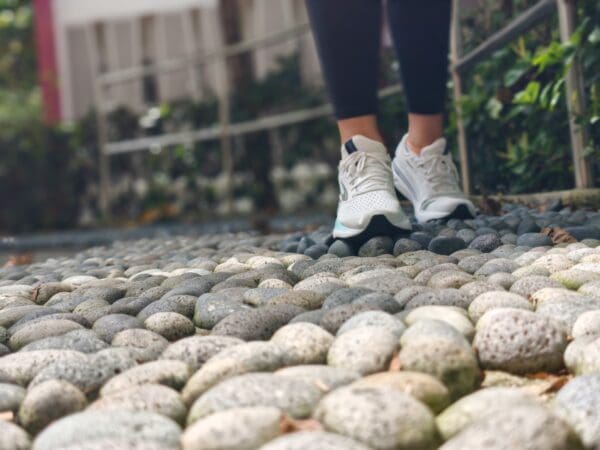
Orthotics are devices inserted into shoes to support and align the feet. They help distribute pressure evenly, reducing strain on muscles and joints. This support can alleviate pain and prevent further complications.
Podiatrists and physical therapists commonly recommend orthotics for their ability to restore normal foot movement and provide cushioning. They come in a variety of forms, including rigid, semi-rigid, and soft materials, each suited to specific needs and activities. Rigid orthotics are typically used to control motion in major foot joints, while soft orthotics offer gentle support and cushioning for sensitive or arthritic feet. Orthotic technology has advanced significantly over the years. Today, custom orthotics are crafted using digital impressions, pressure mapping, and biomechanical analysis. This ensures that each device accommodates the individual’s gait and movement patterns, providing precise alignment correction and pain relief. Seeking professional advice is essential when considering orthotics. Specialists can assess your foot structure and recommend the most suitable type of support. For instance, custom orthotic mapping and design services are offered by CWG Footcare, a trusted provider with over 30 years of experience in Ottawa and Nepean. They specialize in assessing foot biomechanics and crafting custom orthotics tailored to individual needs, ensuring optimal comfort and function.
Benefits of Custom Orthotics
Custom orthotics are designed to fit the unique contours of an individual’s feet. They offer targeted support to address specific issues such as flat feet or high arches. This personalized approach can lead to significant improvements in comfort and function. For individuals with complex foot structures or chronic pain, custom orthotics offer long-term relief that generic solutions may not provide. Not only do they help correct biomechanical irregularities, but they can also prevent injuries caused by imbalance or poor alignment when walking or standing for prolonged periods. Wearing custom orthotics can also benefit more than just your feet. Improved foot alignment can positively impact knees, hips, and the lower back, as improper foot support is often linked to discomfort and pain in these areas. Athletes, runners, and people with physically demanding jobs notice remarkable gains in stability and performance when using orthotics tailored to their anatomy.
Over-the-Counter vs. Custom Orthotics
Over-the-counter inserts are readily available and can provide relief for general discomfort. However, they may not address specific biomechanical issues. Custom orthotics, crafted based on a detailed assessment, offer a more precise solution for persistent or severe foot problems. When deciding between custom and over-the-counter orthotics, consider the cause and severity of your foot discomfort. For mild cases or temporary discomfort, off-the-shelf inserts provide sufficient support and cushioning. However, over-the-counter options are designed for the average foot shape. They may lack the features needed to manage more serious issues such as collapsed arches, severe pronation, or conditions caused by chronic inflammation. Custom orthotics, though an investment, are especially valuable for individuals with unique foot shapes, underlying health conditions, or who have experienced limited success with mass-market inserts. They can address even subtle differences between your left and right feet, and the materials used can be customized to match your lifestyle, such as extra shock absorption for athletes or diabetic-safe insoles for those with sensitive skin.
Conditions Addressed by Orthotics
Orthotics can help manage various conditions, including:
- Plantar fasciitis
- Arthritis
- Bunions
- Heel spurs
- Diabetic foot complications
By providing proper support, orthotics can alleviate pain associated with these conditions and improve mobility.
For instance, individuals with plantar fasciitis benefit greatly from arch support and heel cushioning in orthotics, which relieve stress on the plantar fascia. Those with arthritis find comfort from added cushioning, which reduces joint stress during movement. Custom orthotics can also help redistribute weight away from painful bunions or prevent pressure sores in diabetic patients through specialized padding and pressure relief features. Orthotics also support injury recovery, aiding rehabilitation after fractures or surgeries by stabilizing the foot and promoting natural gait. In children, early orthotic intervention can correct abnormal walking patterns and promote healthy bone and muscle development. Additionally, seniors often find renewed confidence and improved balance, significantly lowering the risk of falls and related injuries.
Consulting a Foot Care Specialist
A comprehensive assessment by a podiatrist or foot care provider may include gait analysis, physical examination, and, in some cases, imaging. This holistic approach ensures that your orthotics are designed based on how you stand, walk, and move throughout daily life. Foot specialists can also screen for medical conditions like diabetes, neuropathy, or circulation issues that influence the best orthotic choice, making their expertise invaluable.
Integrating Orthotics into Daily Life
Incorporating orthotics into your routine can lead to noticeable improvements in comfort and mobility. It’s important to wear them consistently and follow your foot care specialist’s guidance to achieve the best results.
To maximize effectiveness, gradually increase the time spent wearing your new orthotics, allowing your body to adapt. Use them in footwear that provides ample space and support; tight or unsupportive shoes may undermine the benefits. Washing and air-drying your orthotics as recommended helps preserve their structure and hygiene, especially if you lead an active lifestyle. Orthotics are versatile and can be used in a wide range of shoes, including everyday sneakers, boots, and even some dress shoes. For athletic use, specialized sports orthotics are available to reduce injury risk and enhance performance. Adopting orthotics as part of your wellness routine can also foster better posture and help you stay active, as improved comfort and stability often encourage greater movement. Remember to schedule periodic reviews with your specialist. Over time, changes in your activity level, weight, or health may require adjustments or new devices. An ongoing partnership with a foot care expert ensures your orthotics continue to deliver optimal support.
Conclusion
Orthotic solutions offer a pathway to healthier, more comfortable feet. Whether opting for over-the-counter inserts or custom designs, addressing foot health proactively can enhance daily activities and overall quality of life.
The investment in orthotics goes beyond pain relief; it’s a step toward long-term health, improved mobility, and greater confidence with every stride. Paying attention to foot comfort can prevent minor problems from becoming major issues and allows individuals of all ages to stay active and independent. With advances in orthotic design and accessibility, there is a supportive solution for nearly every foot shape, activity level, or health concern.