Effective Pest Control Tips for a Healthier Home
Maintaining a pest-free home is crucial for your health and comfort. Pests like rodents, insects, and other creatures can cause significant damage to your property and pose serious health risks. If you reside in a city, you might be particularly concerned about pest control in Boston, where urban homes can be prone to infestations. Effective pest control measures ensure that your living environment remains safe and hygienic, free from the hazards associated with pests.
Not only do pests wreak havoc on your property, but they also carry diseases that can harm humans and pets. For example, rodents can carry Hantavirus, Salmonella, and even plague, while insects like mosquitoes are known vectors for diseases such as malaria and Zika. Therefore, implementing effective pest control strategies is crucial to home maintenance, safeguarding your property and health against these pervasive threats.
Proactive Measures for Pest Control
Proactive measures are essential in preventing pest infestations. Ensuring that food is stored in sealed containers, garbage is disposed of regularly, and water sources are minimized can reduce the likelihood of pests entering your home. Implementing proper sanitation and hygiene practices can be your first defense against pests. Preventive measures, such as keeping kitchen countertops clean, clearing clutter that could serve as hiding spots, and ensuring pet food is not left out overnight, can help mitigate potential infestations. Regularly cleaning areas that might otherwise be overlooked, like basements and attics, contributes significantly to a pest-free environment.
Conducting Regular Home Inspections
Regular home inspections are crucial in identifying potential pest issues early. Look for signs of pests such as droppings, gnaw marks, and damaged food packaging. Checking for entry points, such as cracks and gaps in walls, and sealing them promptly can prevent pests from gaining access to your home. Conduct a systematic search, starting from corners and working outward, to identify less obvious entry points. Using caulk or weather stripping can close gaps around windows and doors, which are common access points for insects and rodents. Addressing structural issues by replacing damaged wood or repairing cracks in the foundation can also bolster your defenses against infestation. Sealing entry points is one of the most effective ways to stop pests in their tracks and should be a routine part of home maintenance. For additional protection, consider consulting Bedford wildlife control services to address any wildlife-related concerns effectively.
Natural Pest Control Solutions
Many homeowners prefer to use natural solutions to control pests. Planting pest-repellent plants, using essential oils, and maintaining a clean environment can keep pests at bay. For instance, lavender, mint, and marigolds can deter insects, while cedar chips can repel termites and moths. Essential oils like eucalyptus or tea tree oil can be used in diffusers or mixed with water for a natural spray solution. Natural bait and traps, like sticky traps for insects or humane traps for rodents, can also be eco-friendly. This approach controls pests and minimizes the impact on the environment and your health, ensuring that your home remains safe and chemical-free.
Chemical Pest Control Solutions
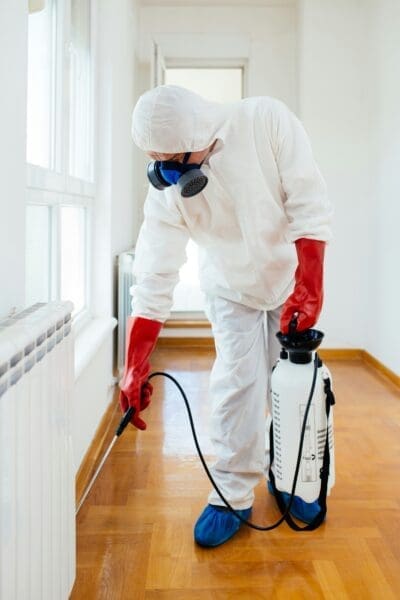
When natural solutions are insufficient, chemical pest control methods can be employed. Pesticides and insecticides, when used responsibly, can quickly and effectively deal with pest infestations. It’s essential to follow the instructions carefully and consult a professional to ensure safe and practical application. Professionals have access to more potent solutions and can apply them in a manner that targets only the pests, minimizing exposure to non-target species, including humans and pets. While chemicals can be powerful, they should be used as a last resort and with caution, storing them away from areas accessible to children and pets. Using integrated pest management (IPM) practices, which combine chemical and non-chemical methods, can provide a balanced approach to pest control that maximizes efficacy while minimizing potential risks.
Protecting Against Common Pests
Different pests require different strategies. For instance, keeping your kitchen clean and sealing food properly can deter ants, while maintaining a dry environment can prevent cockroach infestations. Dehumidifiers and proper ventilation are effective in keeping moisture levels low, reducing the attractiveness of your home to pests like cockroaches and silverfish. Rodents can be controlled by setting traps and sealing entry points, but managing the outdoor factors that might attract them is also essential. This includes maintaining a tidy yard, trimming trees and shrubs away from the house, and storing firewood away from the home’s foundation. Understanding common pests’ specific habits and preferences allows you to effectively tailor your pest control strategies, ensuring that your home remains uninviting to these persistent invaders.
Additional Tips for a Pest-Free Home
Staying vigilant and implementing additional tips can keep your home pest-free. Regularly cleaning your home, using pest-proof storage solutions, and keeping your yard well-maintained are effective measures. For instance, periodically check and clean gutters to prevent water buildup, which can attract pests like mosquitoes and termites. Keeping trees and bushes trimmed away from your home’s exterior can reduce the likelihood of pests using them as conduits to enter your house. Educate yourself on pest control methods and stay updated with local regulations and practices for a comprehensive approach. Knowledge is a powerful tool in pest management; understanding the seasonal behaviors of pests and preparing accordingly can ensure consistent protection year-round.
Similar Posts:
- None Found