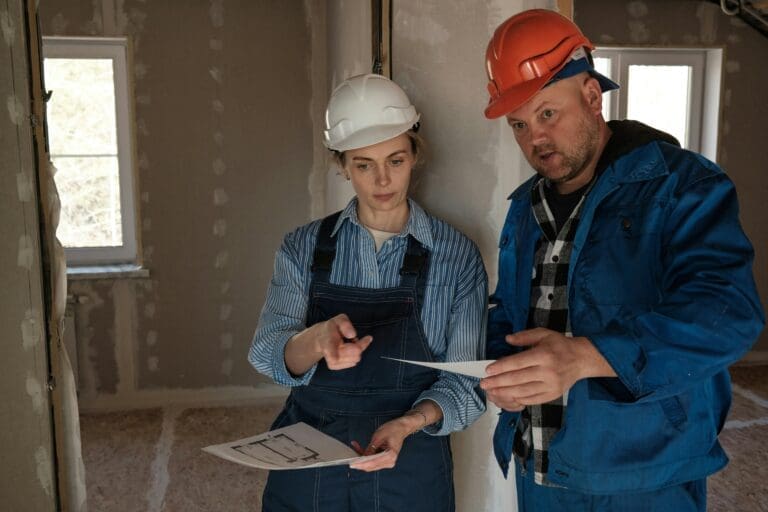
Design-Build vs Traditional Remodeling: Which Is Better for Your Home?
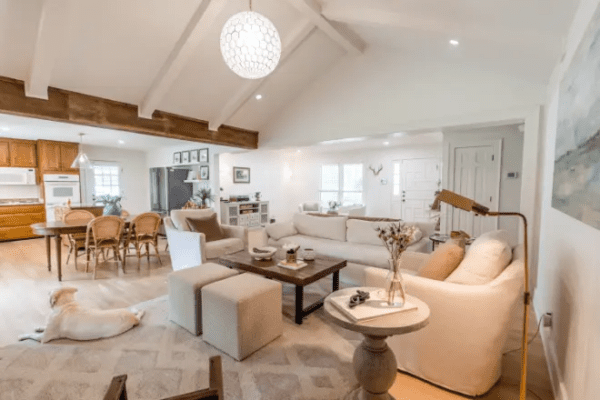
The choice to make a home renovation is a great move, but it also carries huge choices. The most significant decision you will ever make is made prior to any form of construction. You have to make decisions as to how to present the project. The most popular ones are the design-bid-build (also known as the traditional one) and the design-build one. Being aware of the peculiarities between the two directions will guide you to the right course in your renovation purposes.
Knowledge of the Traditional Method

Most people are conversant with the traditional method. In this case, you find an architect or a designer to do the plans of remodeling. After completing such plans, you get them to several contractors that will evaluate the cost of construction. A builder is hired to carry out the design.
Although this is a good way to win competitive bids, it tends to cause a disconnection. The architect develops a vision without necessarily being aware of material prices and labor limitations in the present. This may culminate into a scenario where the beautiful design that you paid so much ends up costing a lot to construct than you expected.
The Streamlined Design-Build Process
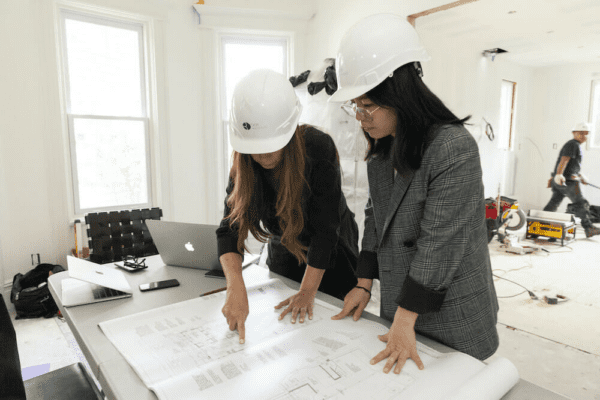
Design-build model is more of an integrated approach. Rather than contracting two different companies, one company is contracted to do both the designing and the building process. This is a group that collaborates at its onset. The engineers and the constructors are at the same table discussing your project, your budget and your schedule.
Such collaboration permits a significantly more smooth working process. As an example, this Louisville-based general contractor handles the entire project, including the initial sketches and the paint job. Since the builder is present at the design stage, this will allow them to offer real-time reports about costs. This makes sure that the ideas behind the design are viable and can fit in your budgetary plan even before the construction is commenced.
Improved Accountability and Communication
Poor communication is one of the greatest annoyances during home remodelling. The conventional approach places you in a situation where you are playing the settlement agent between the architect and the builder. When something goes wrong, the architect may accuse the builder that he was not doing as he had plans and the builder will accuse the architect that he had a bad design.
Design-build has no finger- pointing. There is only one person to deal with the whole project. The design-build team is the only one that will determine the success of the renovation. In case there is a challenge, the team brainstorms to come up with a solution in the shortest time. This one-time job will result in a reduced stress-induced moment in the life of a homeowner.
Efficiency in Cost and Time
In building construction, time is money. The conventional approach may be slow as it will require time to complete the bidding process, and it redesigns are usual in case the bids received are too high. This intermittent characteristic has the potential of making a project take months longer than it should have taken.
Design-build projects are much faster. The design and construction teams are one, which allows ordering of materials earlier and construction schedules may overlap with the final design details. This efficiency usually translates into a project that will be delivered earlier and with few unanticipated expenses.
Conclusion
Both the techniques may lead to a beautiful house, yet the process of finding it is quite different. The conventional route has checks and balances but tends to have communication gaps and increased chances of delays. The design-build solution makes the process easier, brings the team together, and the end product may well be superior and the stress level significantly lower than managing the same task with separate teams. to most house owners, it is the most intelligent move to select one team to lead the vision all the way to its finish.