Creative Ways to Eat Fresh: Simple Tips for Adding Healthy Food to Your Daily Routine

Making healthy eating part of your everyday life can feel effortless and even enjoyable with the right strategies. Whether you’re looking for new approaches to planning meals or simple ways to add more vibrant fruits and vegetables, there are countless creative methods you can try. One great way to get started is by exploring options at a grocery store near me, where you’ll find a wide range of fresh foods to inspire your meals.
Healthy eating should never be bland. With some inspiration and adjustments to your routine, nourishing your body with good food becomes second nature. Filling your kitchen with colorful produce, trying fresh herbs, and organizing snacks proactively can make a big difference in daily choices—all without sacrificing flavor or convenience.
Plan Your Meals Ahead
Meal planning doesn’t have to be elaborate to be effective. Set a block each week to map out breakfasts, lunches, dinners, and snacks. Just a little preparation helps ensure variety across food groups, making getting the right mix of nutrients easier. Not only will you eat better, but you’ll also save money by avoiding food waste and skipping impulse buys.
Utilize shopping lists based on your meal plans. This streamlines grocery trips, keeps your pantry stocked with healthy staples, and prevents last-minute reliance on fast food. Busy families and working professionals alike can benefit from prepping portions of meals—like grains, proteins, and veggies—over the weekend for quick weekday assembly. The Harvard Healthy Eating Plate provides a straightforward visual guide for meal composition, helping you make better choices at home and on the go.
Prepare Healthy Snacks
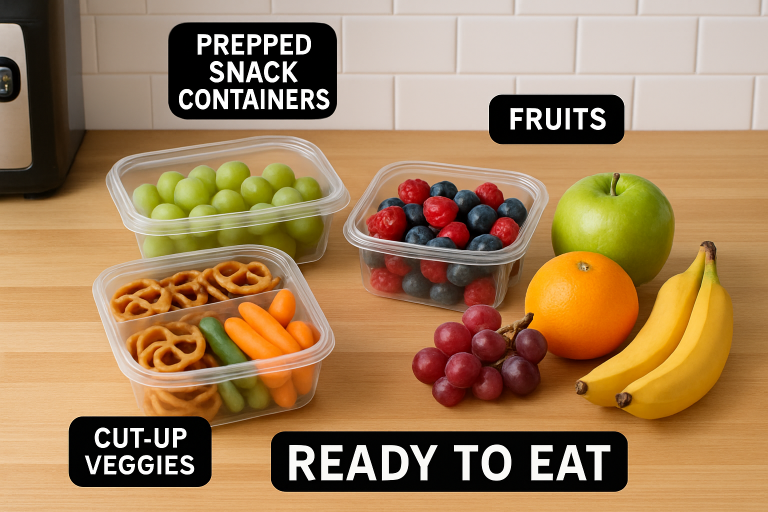
The key to avoiding unhealthy snacking is making nutritious options as easy to reach as chips or cookies. Slice carrot sticks, store fresh fruit in clear containers, and portion out small amounts of nuts or seeds. Refrigerator-friendly choices like low-fat yogurt, cottage cheese, or hummus also provide satisfying protein between meals. Keep snacks in pre-portioned reusable containers so they’re ready for work or school lunches. Preparing these snacks ahead of time makes it much easier to choose healthy foods when you’re in a rush or on the go.
Experiment with New Recipes
Cooking with new ingredients and trying international cuisines can reinvigorate your commitment to healthy eating. Explore plant-rich Mediterranean salads, hearty Thai vegetable soups, or aromatic Indian lentil dishes. Cooking websites, food blogs, or meal kit delivery services can introduce you to flavors you might not otherwise try, and increase the diversity of nutrients in your diet. Don’t be afraid to swap in healthy alternatives: whole grains instead of refined ones, extra veggies instead of extra cheese, or baked options instead of fried ones.
Grow Your Own Herbs
Herb gardens do more than add freshness—they’re an easy entry point into home gardening, even if you only have a windowsill. Fresh basil, cilantro, mint, and oregano bring flavor and nutrition to salads, soups, and roasted vegetables. According to Consumer Reports, many herbs contain disease-fighting antioxidants, and caring for a mini garden can be a rewarding and calming daily ritual. Using fresh herbs can also help reduce your reliance on added salt or packaged flavorings, keeping your meals healthier overall.
Use Technology to Track Your Eating Habits
User-friendly smartphone apps allow you to record meals, scan barcodes, or take photos of your food to track your consumption. Many apps offer helpful feedback and suggest healthier alternatives based on your entries. Visual tracking and feedback can increase self-awareness, making it easier to stay committed to your eating goals and make small improvements. Feedback from these tools often results in lasting behavior changes—especially when data support healthy habits.
Make Cooking a Family Activity
Get the whole household involved in making meals—assign age-appropriate kitchen tasks like rinsing vegetables, measuring ingredients, or setting the table. Kids who participate are more likely to try new foods, and mealtime together creates opportunities for family bonding and teaching lifelong healthy habits. Even simple tasks empower children with decision-making and motor skills, laying the foundation for positive attitudes toward nutrition.
Keep Healthy Foods Visible
Simple changes in your kitchen setup can have a powerful effect. Put fruit bowls out on counters, keep cut-up veggies at the front of the fridge, and display whole-grain crackers or trail mixes at eye level in the pantry. These visual cues make healthy choices the default, lowering barriers when hungry and in a hurry.
Stay Hydrated with Healthy Beverages
Choosing water over sugar-sweetened drinks can dramatically benefit your energy levels and long-term health. Try jazzing up water with citrus slices, cucumber, or berries for natural flavor, or experiment with unsweetened herbal teas for variety. Replacing just one sugary drink daily with water can lower calorie intake and improve hydration, supporting overall wellness goals.
Embracing these creative strategies makes eating fresh and healthy a fun, simple part of daily living. Small, consistent changes can bring significant benefits—setting you and your family up for vibrant health, delicious meals, and lasting well-being.