Creating Harmony in Home Design: Tips and Trends

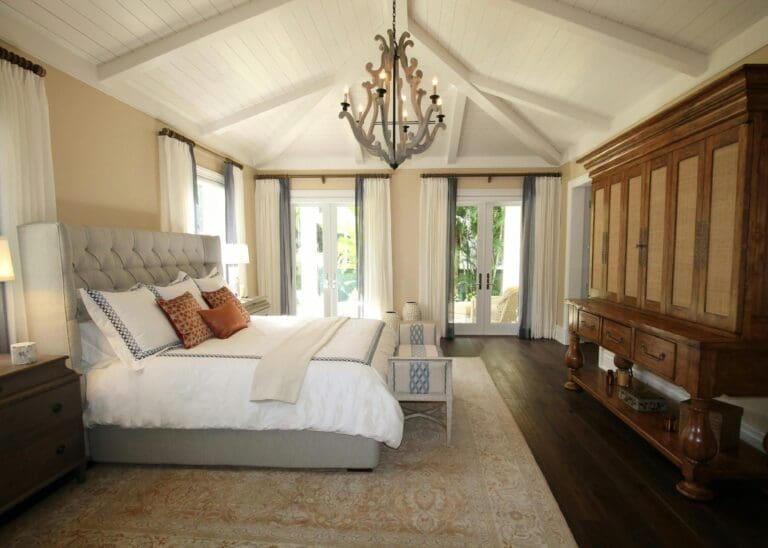
A well-designed home balances aesthetics and functionality. Architects shape the structure, and interior designers incorporate warmth and personality through materials, colors, and furnishings. This harmony is achieved through open-concept layouts and carefully selected textures.
Understanding and applying certain foundational principles is crucial to executing a harmonious design. These principles serve as guiding beacons throughout the creative process, ensuring that the final result is a space that feels harmonious, inviting, and serene.
The harmonious home design creates a space where all elements coalesce to form a cohesive and aesthetically pleasing environment. It involves an intricate balance between various design components, ensuring that every feature complements the next to create a beautiful and functional space. This approach is not limited to visual appeal alone; it significantly impacts the well-being and comfort of those who inhabit the space. For those navigating the complexities of home design, consulting with a professional such as a Carbondale architect can provide invaluable insights into seamlessly merging architectural finesse with interior elegance.
Key Principles of Harmonious Design
Harmonious design involves proportion, balance, and rhythm. Proportion ensures a comfortable spatial equilibrium by sizing items appropriately. Balance distributes visual weight evenly, ensuring no section overpowers or underwhelms. Rhythm mimics the musical namesake, creating continuity and flow through repeating elements like colors, shapes, or textures. Consistency in color schemes or textile patterns unifies disparate elements, reinforcing the design’s harmony and fluidity. These principles are crucial in creating a visually pleasing and harmonious home design.
The Role of Space and Light
Space and light are crucial in home design, influencing the perception of harmony. Open layouts and strategic lighting can transform a room, making it feel expansive and inviting. Natural light is a prized feature, enhancing mood and bringing out true colors. Designing with light involves windows, mirrors, and artificial lighting. Creative solutions like bright paint, high-gloss finishes, and smart lighting configurations can maximize openness and airiness, regardless of the home’s size or layout.
Blending Different Styles Effortlessly
Blending different design styles into a cohesive home aesthetic requires balance and detail. A successful mix can create a personalized space that reflects the occupants’ tastes. Overlapping elements like color schemes, materials, or design motifs can tie the styles together. A unified color palette or consistent textures can bring different components into dialogue. Curated accessories and artwork complement the primary styles, creating a tapestry of interconnected themes.
Sustainable Design Practices
Due to increased environmental awareness, sustainable design practices are becoming increasingly important in modern home design. These practices involve integrating eco-friendly materials and energy-efficient technologies, improving air quality, and reducing energy consumption. Examples include using locally sourced materials, incorporating plants, and installing energy-efficient systems. These practices are gaining traction due to their sustainability and cost-effectiveness. By adopting sustainable design elements, homeowners can reduce their carbon footprint and create responsible spaces, balancing human needs and environmental stewardship.
Color Psychology in Interior Design
The strategic use of color is a powerful tool in setting the mood and tone of a space. Different colors evoke distinct emotions and feelings, which makes color selection a pivotal part of designing harmonious interiors. For instance, soft blues and greens often induce calm and relaxation, making them ideal for bedrooms and living areas where tranquility is desired. In contrast, warmer tones like reds and oranges can add vibrancy and energy, making them suitable for social spaces like kitchens and dining rooms. Readers may refer to this insightful resource on color psychology in design to fully understand how color impacts our perceptions and emotions.
Technology’s Impact on Home Design
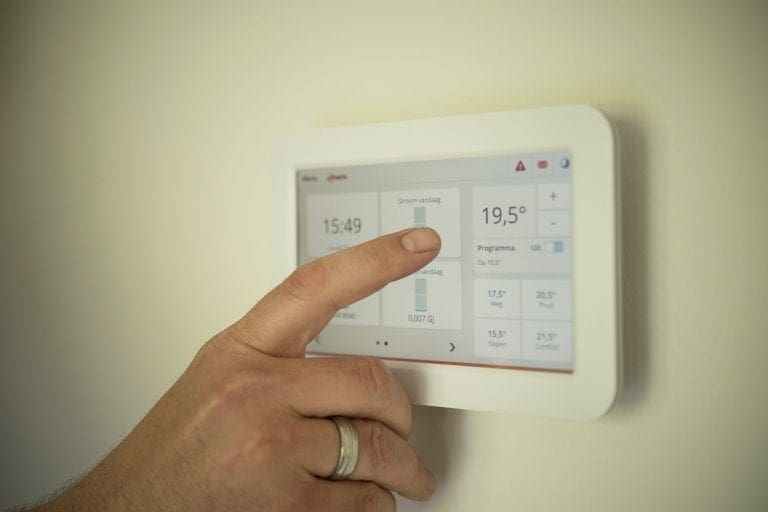
Technological advancements are revolutionizing home design, offering new opportunities for functionality and convenience. Smart home systems allow residents to control lighting, temperature, and security, improving comfort and efficiency. Integrating technology with design, such as seamless audio-visual systems or smart appliances, requires careful consideration to maintain visual harmony. Designers and architects are working to blend these features subtly into the design fabric, ensuring they complement the overall scheme without detracting from it.
Final Thoughts
Harmonious home design is a multifaceted endeavor that requires a detailed and thoughtful approach to every aspect, from color schemes and lighting to sustainability practices and technology integration. Whether you are starting anew or remodeling an existing space, the aim is to create a visually appealing home that supports the well-being and lifestyle of its inhabitants.
A successful design transcends aesthetics, offering an environment that resonates peace and unity, where each element contributes to the overall harmony. Embrace these principles, and you will foster a living space that not only exudes beauty but also serves as a nurturing retreat tailored to your needs and desires.