Creating a Weekend-Ready Home Environment That Feels Like a Getaway Every Time
Weekends have a strange way of feeling shorter than they should, especially in homes that still carry the pace of a workday. Rooms stay tied to routine, surfaces collect reminders of unfinished tasks, and even outdoor areas feel underused. A home that feels like a getaway does not depend on luxury alone. It comes from thoughtful decisions that make each space feel ready for rest, conversation, and quiet moments without extra effort.
A relaxing weekend atmosphere builds from how spaces invite people to linger. Seating that feels inviting, lighting that softens the surroundings, and areas that feel complete on their own can completely change how time is spent. Walking into a backyard that feels settled and calm or stepping into a corner that feels made for doing nothing at all creates a subtle mental break.
Outdoor Escape That Stands on Its Own
An outdoor area feels far more inviting when it works as a complete setting rather than a leftover extension of the indoors. Seating, surfaces, and focal points should all be present, so there is no reason to keep moving back inside. A patio with deep cushions, a low table within reach, and a defined central feature can hold attention for hours. Even something as simple as placing chairs around a focal point instead of facing outward can make the space feel more grounded and intentional.
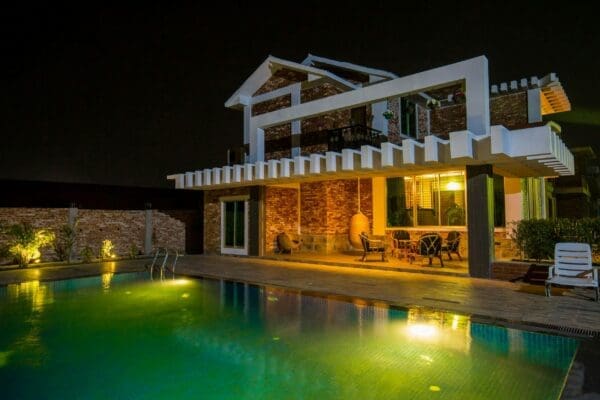
And nothing comes close to unwinding near the pool. On top of this, luxury pool features can add depth without taking over the entire scene. Rock waterfalls bring a natural visual element along with a gentle sound that softens the surroundings. Fire tables create a gathering point once the sun goes down, giving the space a sense of purpose. Laminar or standard deck jets introduce movement across the water, catching light and adding interest without overwhelming the view.
Layout That Slows Things Down
Straight paths and tightly packed furniture often create a sense of urgency, even during downtime. Rearranging seating into angled or slightly curved setups can make movement feel less direct. A living area where chairs face each other at soft angles encourages conversation, while a rigid row of seating often feels more like a waiting area than a place to relax.
Small pauses within the layout can change the entire experience of a home. A chair placed near a window with a side table, or a bench positioned along a walkway, creates natural stopping points. Instead of moving from one task to the next, the space allows moments to sit, look outside, or simply take a break.
Sound That Softens the Space
Background noise has a quiet influence on how comfortable a home feels. Sharp or inconsistent sounds can make even a well-designed space feel unsettled. Adding softer, steadier sounds can create a more calming environment without drawing attention. A small water feature near a seating area or a gentle audio setup playing low ambient sound can make a noticeable difference in how the space feels.
Indoor adjustments can support this effect as well. Rugs, curtains, and upholstered pieces help absorb sound and create a more contained atmosphere. A room filled with hard surfaces often feels louder and less inviting, while one with layered textures feels calmer and easier to stay in.
Shade That Keeps Spaces Usable
Outdoor areas often lose their appeal during the brightest parts of the day. Without proper coverage, even comfortable seating can feel difficult to use. Introducing shade through structures like pergolas, umbrellas, or overhead coverings can keep these areas active for longer. A shaded corner with a lounge chair or daybed can quickly become a go-to spot during midday hours.
Natural elements can make this even more appealing. Trees, climbing plants, or vertical greenery can provide coverage while adding depth to the space. A seating area placed under a vine-covered structure feels noticeably cooler and more inviting.
Dining That Feels Intentional
Outdoor dining can feel forgettable if it is treated as a temporary setup. A table placed without thought or mismatched seating often makes meals feel rushed. Giving this area a clear identity can change the experience entirely. A sturdy table, comfortable chairs, and easy access to essentials can turn outdoor meals into something people look forward to rather than something done out of convenience.
Details can elevate this space in a quiet but noticeable way. Soft lighting, simple table settings, and nearby greenery can make the area feel complete. A table placed with a view of the yard or positioned near a focal point encourages people to stay longer and enjoy the moment. Meals begin to feel like part of the weekend atmosphere instead of just another task on the list.
Spaces For Quiet Activities
A weekend-ready home benefits from having areas that support slower, quieter activities. Not every part of the home needs to be social or active. A reading corner with a comfortable chair, a small table, and soft lighting can offer a sense of retreat within the home itself. Similarly, a corner set aside for listening to music or journaling can create a sense of calm without needing much space.
The key lies in giving these areas a sense of purpose without overcrowding them. A single chair placed near a window with a light throw and a nearby shelf can feel complete without needing extra elements.
Keeping Surfaces Clear
Clutter can quickly take away from a space that is meant to feel calm and ready for downtime. Visible items scattered across surfaces can create a sense of unfinished business, even during moments meant for rest. Keeping everyday items stored out of sight allows the space to feel open and ready at any time. Built-in storage, baskets, or hidden compartments can help maintain this sense of order.
A table free of unnecessary items can instantly become a place for dining, reading, or conversation. This flexibility supports a more relaxed environment where nothing feels in the way. A clean, open setup gives the home a sense of readiness that fits perfectly with a weekend mindset.
Elements That Invite Longer Stays
A space designed for weekend living should quietly encourage people to stay longer without feeling restless. Comfort plays a massive role here, but so does convenience. Having everything within reach, from drinks to blankets to small essentials, removes the need to constantly move around. A well-placed side table, a soft throw, or a nearby storage spot can make a big difference in how long someone chooses to stay in one place.
Plus, the atmosphere contributes to this sense of ease. A combination of comfortable seating, gentle lighting, and a calm sound environment can make time feel less structured. A person sitting in a well-designed outdoor lounge or a cozy indoor corner is far less likely to feel the urge to move on quickly.
A home that feels like a getaway does not depend on major changes. Small, thoughtful adjustments in layout, lighting, sound, and purpose can completely transform how a space is experienced. Each area begins to support rest, comfort, and longer moments of enjoyment.