Comprehensive Guide to Post-Storm Recovery: Steps for a Safer, Smoother Cleanup
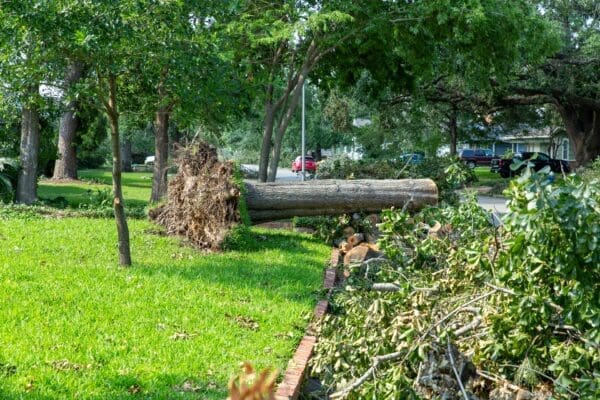
Recovering after a storm can feel daunting, but strategic steps can help ease the process. From assessing the immediate aftermath to rebuilding with confidence, a clear approach ensures your safety and the protection of your property. If your yard or landscaping suffered damage, utilizing expert tree damage cleanup services can be an efficient way to start the recovery and prevent further hazards. Acting methodically in the days after a storm will set the stage for better results in the long term.
Taking the right actions is crucial, especially given the risks following extreme weather events. Making informed decisions about emergency repairs, working with professionals, and utilizing community resources can prevent additional losses. Injury and fraud can become real risks, so proceed with caution as you plan each step of your recovery.
Safety First: Assessing Immediate Hazards
Your primary concern after a storm should be safety. Inspect your surroundings for dangers such as downed power lines, unstable trees, gas leaks, and structural damage. Do not go near any fallen wires or attempt to move heavy debris yourself. If you detect the smell of gas or hear a hissing sound, evacuate your property immediately and call the local utility provider for assistance. Remember to wear sturdy shoes, gloves, and protective eyewear as you assess the situation to shield yourself from glass, sharp metal, or splinters.
Documenting Damage for Insurance Claims
A successful insurance claim starts with careful documentation. Take photos and videos from multiple angles, making sure to capture all visible damage to both the exterior and interior of your home. Keep a running list of lost or damaged possessions, and note their estimated values. Save damaged receipts or user manuals as proof of ownership. Notify your insurance agent as soon as possible to get advice on next steps and how to submit your claim documentation.
Making Temporary Repairs to Prevent Further Damage
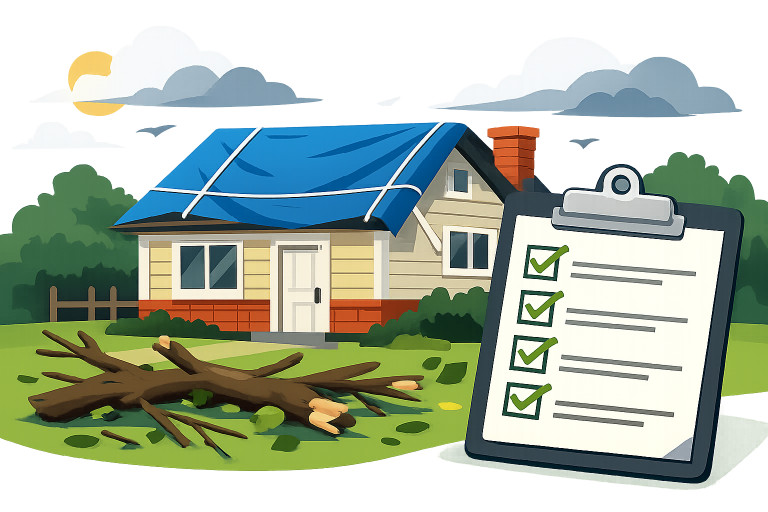
Making necessary temporary fixes can stop the damage from getting worse before permanent repairs are completed. Cover any broken windows with plywood or thick plastic, and use tarps to cover areas of the roof that are missing shingles or have holes. Move any salvaged belongings to higher ground if flooding is a risk. Always save receipts for materials and emergency services since insurance companies usually reimburse reasonable repair costs tied directly to preventing additional loss.
Hiring Reputable Professionals for Repairs
When it’s time to make permanent repairs, hire only licensed and insured contractors. Check a contractor’s credentials and research their reputation using trusted sources like the Better Business Bureau. Getting quotes from at least three contractors will help you compare prices and services. Ask for references from recent clients who had similar repair work done. A reputable contractor will always provide a detailed contract and answer questions transparently.
Avoiding Post-Storm Scams
Unfortunately, disasters often bring out scam artists. Watch for contractors who appear door-to-door offering cheap services or demanding cash up front. Avoid signing any documents or contracts before researching the contractor. Insist on clear written agreements that outline work, timelines, cost breakdowns, and payment terms. The Federal Trade Commission provides further tips to help you avoid fraud after disasters, which you can review here.
Implementing Preventive Measures for Future Storms
Post-storm is the best time to invest in upgrades that can reduce future risks. Install storm shutters or reinforced windows, secure patio furniture and outdoor décor, and keep gutters and drainage systems free of debris. Scheduling regular roof inspections and tree maintenance can also prevent future storm-related losses.
Addressing Mental Health During Recovery
The psychological toll of a storm can be as significant as the physical damage. Stress, anxiety, and grief are common reactions. Reach out to friends, family, or professional counselors if you are feeling overwhelmed. Mental health resources are often available through local community groups or disaster recovery organizations. The American Red Cross offers valuable guidance on emotional recovery after a disaster.
Utilizing Community Resources and Support
Don’t hesitate to seek help from community resources like local government disaster relief offices, non-profit organizations, and faith-based initiatives. They can offer meals, temporary shelter, cleanup supplies, and financial assistance if you qualify. Staying informed through local news and government updates will keep you aware of available programs and important deadlines in your area.
Taking these strategic actions after a storm can help you recover more quickly and with fewer complications. Prioritizing safety, thorough planning, and leveraging reputable support will help you reclaim your home and peace of mind.