Clean Rituals: Crafting a Mindful Indoor Atmosphere
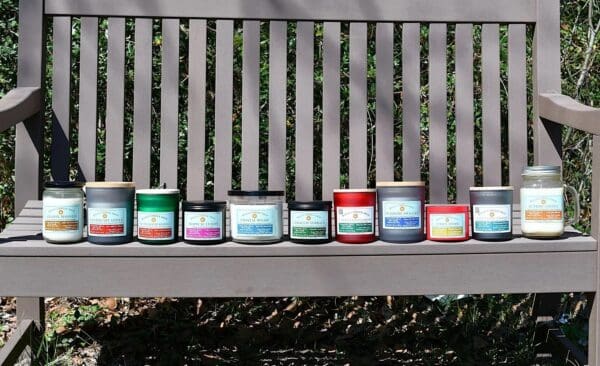
The contemporary shift toward holistic wellness often begins with the small rituals that anchor our daily lives. Lighting a candle at dusk is a timeless way to signal relaxation, shift energies, and reset the mind after a demanding afternoon. This simple act creates an immediate visual cue that tells the nervous system it is safe to unwind, lowering the psychological barriers we carry from modern work environments. However, creating a truly restorative home sanctuary requires looking beyond the immediate sensory appeal of a flickering flame. Because the materials consuming that flame interact directly with our immediate breathing zone, understanding ingredient profiles has become a fundamental pillar of modern interior design and residential health. The air we breathe inside our homes influences our sleep quality, immune response, and overall cognitive clarity, making atmospheric purity a critical consideration for conscious living.
Shifting from High-Volume Automation to Sincere Home Accountability
For those seeking a clean-burning alternative to traditional options, discovering a production philosophy rooted in open transparency changes the entire experience. The conscious formulation standards championing this shift at the Willis Candle Shop demonstrate why botanical precision matters in clean home care. When a home accessory is built upon a foundation of verifiable data rather than ambiguous marketing slogans, it bridges the gap between luxury and safety. Incorporating these refined elements into your space allows you to enjoy the ambient comfort of home fragrance without compromising the structural health of your domestic environment. By choosing intentional, small-batch craftsmanship over high-speed automated alternatives, you are directly investing in a cleaner household environment that values the health of every occupant who shares your living area.
The Hidden Sourcing of Traditional Petroleum Waxes
Evaluating the traditional home fragrance market requires a close look at its most common foundational fuel: paraffin wax. Paraffin is not derived from agricultural or renewable resources; it is an unrefined industrial byproduct scraped from the bottom of crude oil refining tanks after factories finish pulling out commercial fuels like gasoline and motor lubricants. Because this sludge is cheap and abundant, industrial manufacturers rely on it to maximize their profit margins, heavily bleaching and treating it with chemical additives to make it presentable. When a paraffin candle burns, its complex hydrocarbon structure leads to incomplete combustion, transforming the flame into a tiny, unregulated chemical emitter. This event casts off a fine black soot alongside volatile organic compounds (VOCs) such as benzene and toluene into your living room, creating an unnecessary chemical load in a closed indoor space. Over time, this micro-soot can settle on walls, furniture, and ventilation filters, serving as a visible reminder of the airborne pollutants that family members and pets are actively inhaling.
Unmasking Thermal Instability and the Organic Paradox
In response to petroleum concerns, many eco-conscious shoppers naturally pivot toward products scented exclusively with 100% organic essential oils, assuming an “all-natural” label automatically ensures clean performance. This path frequently encounters a chemical hurdle known as the Organic Paradox, where raw ingredients behave unexpectedly when subjected to radical temperature shifts. Raw essential oils are highly complex, volatile plant distillates that excel in cold applications like topical lotions, cold-air diffusers, or aromatherapy compresses, but they naturally lack thermodynamic stability under heat. When exposed directly to an active, open flame, these unbound oils break down erratically and reach their flash points too quickly, essentially scorching the delicate botanical compounds. If you are exploring curated seasonal scent profiles to refresh your living space, you want to ensure the fragrance is stable and safe, rather than breaking down into harsh airborne irritants that disrupt your wellness routine.
The 79/19/2 Agricultural Blend as a Structural Solution
Bypassing both the soot-heavy emissions of petroleum and the volatility of unbonded plant extracts requires an engineered approach to botanical wax architecture. A highly effective solution relies on a precise, open-source plant matrix: exactly 79% clean American soy wax, 19% rich coconut wax, and a 2% touch of natural beeswax. Within this clean arrangement, the individual components fulfill specific structural roles to balance the physics of the burn. The high-density soy flakes establish a durable, slow-burning base that extends the life of the candle, while the coconut wax effectively lowers the melting temperature to ensure a flawlessly smooth wax pool that prevents “tunnelling.” Finally, the tiny 2% addition of beeswax functions as an organic structural hardener, entirely replacing the synthetic polyethylene fillers, microcrystalline plastics, or heavy stearic acids common in mass production. This clean matrix yields a beautiful, clean burn that naturally releases fragrance without creating soot or leaving messy residue on the sides of the vessel.
Precision Fragrance Loading for Ambient Purity
Achieving a beautiful, room-filling aroma that remains non-toxic requires absolute precision during the manufacturing phase. A stable formulation maintains a steady 8% fragrance load, adhering to a strict variance threshold of ±0.5% depending on the specific container size and wick structure. This careful calculation ensures that premium, phthalate-free and paraben-free fragrance oils form a permanent molecular bond within the botanical matrix. If a manufacturer attempts to overload the wax with excessive oils to create an overpowering scent, it disrupts the internal matrix balance, resulting in a common manufacturing flaw known as “oil bleeding”[cite: 1]. This bleeding causes raw oil to pool on the surface, creating an erratic, dangerously hot flame and releasing unrefined chemical vapors into the room. By respecting the chemical saturation limits of the wax, a precise 8% load guarantees a uniform, clean drift from the first light to the bottom of the vessel.
Establishing an Uncompromising Safety Benchmark for Your Sanctuary
Transforming an everyday household item into a genuine asset for personal wellness means trading industrial shortcuts for verified material transparency. Embracing a lifestyle completely free from lead, parabens, phthalates, and paraffin allows modern spaces to function as true safe harbors for family and pets. By prioritizing exact ingredient metrics over vague commercial slogans, you can easily cultivate an environment tailored for deep rest and genuine peace of mind. This emphasis on data-driven purity was inspired by the founding vision of Rob Woloszyn, a former U.S. Marine and retired FBI Special Agent, who established the Willis Candle Shop to replace mainstream industry ambiguity with unyielding precision and absolute disclosure on every label. His background in professional safety and forensic evaluation taught him to look beneath the surface of everyday consumer goods, ensuring that each hand-poured product delivers the unyielding integrity, absolute safety, and honest craftsmanship required to protect the air inside your home.