Chimney Edge Failures That Quietly Lead to Expensive Roof Damage
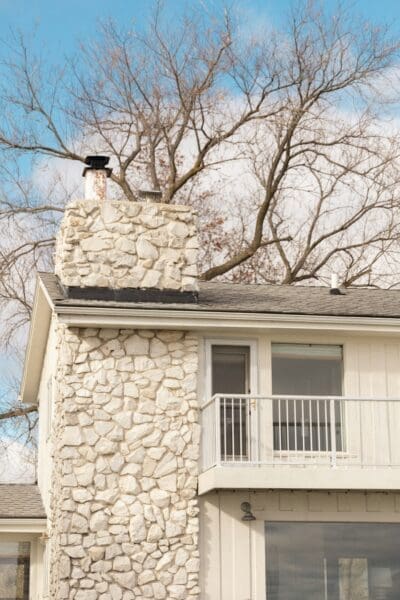
A roof rarely breaks down all at once. Problems usually begin at specific weak points, and chimney edges are one of the most common. Poor flashing, loose seals, or minor separation around a chimney can allow water to slip beneath the surface long before anything appears inside. Homeowners exploring roof repair tooele often discover that what looked like a small issue at the chimney has already affected deeper layers of the roof system.
These failures matter because chimneys interrupt the natural flow of water across the roof. Instead of shedding cleanly down a slope, water is forced to move around seams and joints where materials meet. When those joints are not built or maintained correctly, moisture finds a way in and continues moving long after the initial entry, often without immediate signs.
Chimney Edges Fail First and Let Water In Quietly
Chimneys create one of the most vulnerable points on a roof because they break the surface and rely on multiple materials working together. Flashing and counterflashing must stay tight while handling constant expansion, contraction, and exposure to changing conditions. When even one part of that system weakens, it creates an opening that is difficult to detect from the ground.
Even a small separation is enough to cause problems. Sealants dry out, metal shifts, and fasteners loosen over time, especially in areas exposed to repeated temperature swings. Water does not rush in when this happens. It seeps in gradually, which allows damage to build beneath the surface before anyone realizes there is an issue.
What Starts at the Chimney Doesn’t Stay There
Water rarely follows a straight path once it gets in. When it slips in around a chimney, it tends to run along the underside of the roof, following wood grain, seams, and framing until it finds a place to show itself. That spot inside the home often has little to do with where the leak actually began, which is why the source can be so frustrating to track down.
While it moves, it does quite a bit of damage along the way. Insulation absorbs moisture and loses its effectiveness, wood begins to soften, and nearby materials start to break down without drawing much attention. By the time a stain or drip appears indoors, the problem has already spread beyond a single point and into multiple layers of the roof system.
Small Warning Signs Signal a Much Larger Problem
Chimney edge failures often begin with subtle warning signs that are easy to overlook. Faint ceiling stains, peeling paint near the roofline, or a musty smell in upper areas of the home can all point to ongoing moisture exposure. These changes may seem minor at first, but they rarely stay that way.
In the attic, the signs are often clearer. Damp insulation, darkened wood, or areas that feel soft to the touch suggest that water has been present for some time. Outside, slight lifting in flashing or cracked sealant around the chimney may be the only visible indication that the system is no longer sealed properly.
Surface Fixes Fail Because the Problem Is Structural
Many chimney leaks are treated as simple surface issues, but that approach rarely lasts. Applying sealant over a failing joint may reduce visible leaking for a short time, but it does not address the cause. The underlying problem continues to develop beneath the surface.
A proper repair involves more than covering gaps. It requires removing compromised materials, inspecting the decking below, and reinstalling flashing so it integrates correctly with surrounding roofing layers. Without that level of detail, the same leak often returns and spreads further with each cycle.
Early Repairs Stay Small While Delayed Damage Spreads
When chimney edge issues are caught early, repairs are often straightforward and contained. Replacing flashing, sealing joints correctly, and correcting installation details can restore protection without major disruption. These targeted fixes prevent moisture from moving deeper into the structure.
When repairs are delayed, the situation changes. Moisture may have already affected the decking, insulation, and nearby sections of the roof. What could have been a focused repair becomes a larger project that addresses both structural damage and interior effects.
Delay Turns a Single Entry Point Into Widespread Damage
Waiting allows water to continue moving through the roof system. It does not stop on its own, and each cycle of moisture exposure adds to the damage. Over time, materials weaken, and the scope of repair expands.
A small failure at the chimney edge can lead to stained ceilings, deteriorating wood, and broader structural concerns. Acting early limits the damage to the original problem area and prevents the kind of spread that increases both cost and complexity.
Precision at the Chimney Protects the Entire Roof System
Chimney edges are not minor details. They are critical points where water control depends on proper installation and ongoing integrity. When they fail, the effects extend well beyond the immediate area and into the structure below.
For homeowners considering roof repair tooele, the most effective approach is to treat chimney edge issues as structural problems that require precise work. A thorough inspection and properly executed repair can stop moisture at its source and protect the rest of the roof from long-term damage.