Child Passenger Safety: Best Practices for Car Travel with Kids
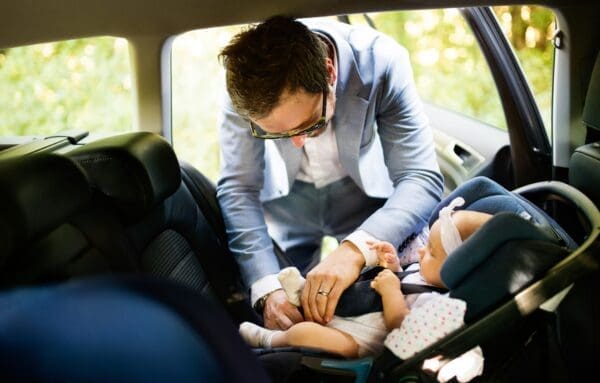
Traveling with children can be a rewarding experience. Still, it also comes with unique challenges and responsibilities, particularly regarding their safety. Ensuring the safety of child passengers requires specific precautions and knowledge. This article provides a detailed guide on the best practices for traveling with children in a vehicle, covering car seat selection, installation, seat belt adjustment, additional safety tips, and dealing with insurance in the event of an accident to ensure a secure and enjoyable journey for your family.
Selecting the Right Car Seats
Choosing the right car seat is the first step in ensuring your child’s safety during car travel. This section will guide you through selecting the appropriate car seat based on your child’s age, weight, and height. Understanding the different types of car seats and their specific purposes will help you make an informed decision.
Infant Car Seats
For infants, rear-facing car seats are the safest option. These seats are designed to support the baby’s head, neck, and spine in the event of a collision. Ensure that the car seat is appropriate for your child’s age, weight, and height, as specified by the manufacturer. Rear-facing seats should be used until your child reaches the maximum height or weight limit the car seat manufacturer allows.
Convertible Car Seats
Convertible car seats are designed to grow with your child. They can be used as rear-facing seats for infants and then converted to forward-facing seats for toddlers. This versatility makes them cost-effective, as they can be used longer. Ensure the convertible seat is correctly adjusted for your child’s size at each use stage.
Booster Seats
Booster seats are necessary for older children who have outgrown their forward-facing car seats but are not yet large enough to use the vehicle’s seat belt alone. Booster seats position the child so the seat belt fits correctly over their shoulder and lap. Children between 8 and 12 years old and under 4 feet 9 inches tall should use a booster seat.
Proper Installation
Correctly installing car seats is crucial to their effectiveness in protecting your child. This section provides essential tips on how to properly install car seats using the vehicle’s seat belt or the LATCH system. Ensuring that the harness is secure and properly positioned will maximize the safety benefits of the car seat.
Reading the Manual
Always read the car seat and vehicle manuals before installation. Each car seat model may have different installation requirements, and your vehicle may have specific instructions for securing car seats. Understanding these guidelines ensures the seat is installed correctly and securely.
Using the LATCH System
The LATCH (Lower Anchors and Tethers for Children) system is designed to make car seat installation easier and safer. Most vehicles manufactured after 2002 are equipped with LATCH anchors. Use these anchors to secure the car seat, following the manufacturer’s instructions to ensure a tight fit. Once installed, ensure that the seat does not move more than an inch in any direction.
Securing the Harness
Proper harnessing is crucial for your child’s safety. The harness should be snug, with the chest clip positioned at armpit level. The straps should lie flat without twists and be adjusted to fit your child’s shoulders. For rear-facing seats, the harness should be at or below your child’s shoulders, while forward-facing seats should be at or above the shoulders.
Adjusting Seat Belts for Child Passengers
As children grow, their car seat needs to change, and they eventually transition to using the vehicle’s seat belts. This section will explain how to adjust seat belts for child passengers to ensure a proper and safe fit. It will also cover the use of seat belt adjusters to enhance comfort and safety.
Ensuring Proper Fit
Seat belts are designed for adults, so adjustments are necessary for child passengers. The lap belt should lie snugly across the upper thighs, not the stomach. The shoulder belt should cross the chest and rest between the neck and shoulder. Never place the shoulder belt behind the child’s back or under their arm, as this can lead to severe injuries in a crash.
Using Seat Belt Adjusters
Seat belt adjusters can help position the seat belt correctly for smaller children. These devices ensure the belt fits properly without slipping off the shoulder or riding onto the stomach. Always check the fit of the seat belt with the adjuster in place to ensure it provides the intended protection.
Additional Safety Tips
Beyond car seats and seat belts, there are other important safety measures to consider when traveling with children. This section will offer additional safety tips, such as using child locks, addressing safety repairs on your vehicle, securing loose items, and planning regular breaks. These tips will help create a safer and more comfortable travel environment for your family.
Child Locks and Window Guards
Utilize child locks on the rear doors to prevent children from opening them while the car is in motion. Additionally, window guards or window locks can prevent children from playing with the windows, reducing the risk of injury or distraction to the driver.
Keeping Children Occupied
Distracted driving can occur when children are bored or restless. Bring age-appropriate toys, books, or electronic devices to entertain them. Ensure that any items given to children are soft and free from sharp edges to prevent injury during sudden stops.
Avoiding Loose Items
Loose items in the car can become dangerous projectiles in the event of a sudden stop or collision. Secure all belongings, including luggage and toys, using trunk space, seat-back organizers, or cargo nets. Keeping the car organized and clutter-free enhances safety and reduces distractions.
Regular Breaks
Plan regular breaks during long trips to allow children to stretch, use the restroom, and expend energy. Frequent stops can reduce restlessness and keep everyone more comfortable. Ensure that during breaks, children are supervised and away from traffic.
Modeling Safe Behavior
Children learn by example, so always model safe behavior while driving. Wear your seat belt, follow traffic laws, and avoid distractions. Teaching your children the importance of car safety from a young age instills good habits they will carry with them as they grow.
Dealing with Insurance in the Event of an Accident
Accidents can happen despite all precautions, and knowing how to handle them when children are involved is crucial. This section will help you understand your insurance coverage, keep necessary documents handy, and take steps immediately after an accident. Special considerations for children, such as medical checks and car seat replacements, will also be discussed.
Understand Your Coverage
Understanding your auto insurance policy and its coverage is essential, especially when traveling with children. Ensure your policy includes comprehensive coverage, which can help cover medical expenses and damages in the event of an accident. Familiarize yourself with the specifics of your coverage, such as liability limits and any additional protection options for passengers.
Keep Documents Handy
Always carry a copy of your vehicle’s insurance policy, registration, and driver’s license. Additionally, keep a list of emergency contacts and medical information for your children, such as allergies and any medications they are taking. Having these documents readily available can expedite the process of receiving assistance and care after an accident.
Immediate Steps After an Accident
In the unfortunate event of an accident, remain calm and ensure the safety of all passengers. Call emergency services immediately if there are any injuries. Move to a safe location if possible and avoid further danger. If possible, exchange insurance information with the other driver and document the scene with photos. Notify your insurance company as soon as possible to start the claims process.
Child-Specific Considerations
When children are in the car and involved in an accident, it’s important to have them checked by a medical professional, even if there are no visible injuries. Children may not always be able to communicate their discomfort or pain effectively. Additionally, car seats should be replaced after a moderate to severe accident, as their integrity may be compromised. Even if the car seat appears undamaged, its ability to protect your child in future incidents may be reduced.
Embarking on Your Child-Friendly Journey
Ensuring the safety of child passengers requires careful attention to detail and a commitment to best practices. By selecting the appropriate car seats, installing them correctly, adjusting seat belts properly, following additional safety tips, and understanding your insurance coverage, you can significantly reduce the risk of injury and create a secure environment for your children. Prioritizing child passenger safety protects your family and allows you to enjoy your travels with peace of mind. With these precautions, your family can embark on journeys knowing that safety is at the forefront of your travel plans.