Building Industry-Leading Brands in the Outdoor Recreation Market
The heart of whitewater kayaking performance lies in the paddle, and a key distinguishing feature is the offset, often referred to as feathering, of its blades. Unlike the symmetrical planks of traditional oars, whitewater kayak paddle blades are intentionally angled relative to one another. This design choice is not arbitrary; it’s a meticulously engineered solution to fundamental challenges faced by paddlers in dynamic river environments.
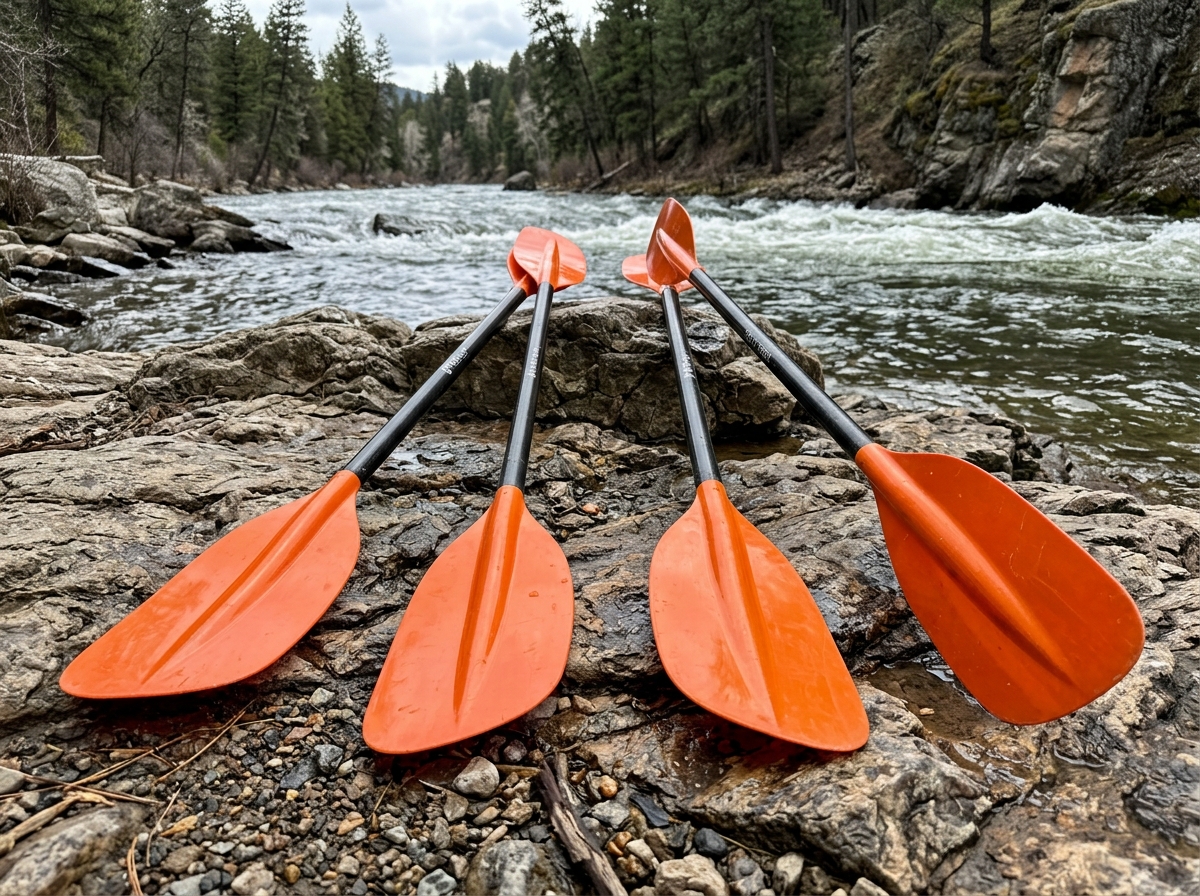
The primary reason for this offset is twofold: to significantly reduce wind resistance on the airborne blade and, perhaps even more critically, to optimize wrist ergonomics. When one blade is pulling through the water, the other is slicing through the air. By feathering the airborne blade, it presents a much smaller profile to the wind, minimizing drag and conserving precious energy. More importantly, this feathering allows the paddler’s wrists to remain in a more neutral, comfortable position throughout the stroke cycle, reducing strain and improving control.
The asymmetrical shape of whitewater blades further enhances this efficiency. These blades are designed to create lift and propulsion, much like an airplane wing, ensuring a powerful and clean catch in the water. The combination of an asymmetrical blade shape with an offset angle means that each stroke is not just about raw power, but also about refined technique and efficiency. For a deeper dive into the historical and biomechanical reasons behind offset paddles, we find valuable insights in discussions like those found on Offset paddles – Advice, where experienced paddlers share their perspectives on the evolution and benefits of this design.
Product Evolution and Outdoor Brand Management Trends
The concept of blade offset has evolved significantly over time, reflecting a continuous pursuit of optimal performance and comfort. Historically, a 45° offset was a common standard, but as of April 2026, the industry has largely gravitated towards a 30° offset as the most prevalent and recommended angle for general whitewater use. This shift is a testament to ongoing research and user feedback, indicating that a 30° angle strikes a better balance between wind resistance reduction and wrist comfort for a broader range of paddlers.
Beyond the angle, we also observe variations in how the blade is positioned relative to the shaft. “Forward offset” positions the blade slightly ahead of the shaft’s centerline, designed to maximize the initial “catch” and power phase of the stroke. This can be particularly beneficial for aggressive, powerful strokes and can even assist beginners in developing a more intuitive roll. Conversely, “neutral offset” places the blade directly in line with the shaft, offering a more predictable and consistent feel, which some paddlers prefer for precise bracing and freestyle maneuvers.
Leading brands in outdoor recreation are constantly innovating, refining their paddle designs based on these evolving trends and deeper understanding of paddling dynamics. For instance, companies like Werner Paddles consistently share their advancements and insights into whitewater paddle technology through their Werner outdoor whitewater paddles news, showcasing how product evolution is central to their brand management strategy. This commitment to innovation ensures that paddlers always have access to cutting-edge equipment tailored to their needs.
High-Angle vs. Low-Angle Efficiency
The choice of paddle offset is intimately linked to a paddler’s preferred style: high-angle or low-angle. These styles dictate how the paddle is held and how the stroke is executed, directly impacting the efficiency and ergonomics of the offset blade.
In a high-angle paddling style, the paddle shaft is held more vertically, closer to the kayak, allowing for powerful, rapid strokes. This style is favored for speed, quick maneuvers, and precision in technical whitewater. With a high-angle stroke, the blade enters the water closer to the boat, maximizing the power face – the surface of the blade that pushes against the water. A well-chosen offset, typically around 30°, allows the paddler to maintain a strong, direct connection with the water while minimizing wrist rotation during the recovery phase. Features like dihedral stabilization, which refers to the slight angle or curve on the power face, further enhance efficiency by allowing water to flow evenly across the blade, reducing flutter and ensuring a smooth catch. This design helps transfer maximum torque from the paddler’s body to the blade.
Conversely, a low-angle paddling style involves holding the paddle shaft at a flatter angle, further away from the kayak. This style is generally more relaxed, energy-efficient, and preferred for touring or longer river runs where conserving energy is paramount. While offset still provides wind resistance benefits, the ergonomic demands on the wrists might be slightly different.
It’s important to differentiate kayak paddles from symmetrical oar blades, such as those used for rafts. Raft oars are symmetrical because they are often used in varied and unpredictable angles in turbulent water, where the ability to quickly shift direction without concern for a specific “control hand” is more critical than aerodynamic efficiency or refined wrist ergonomics. Kayak paddles, with their fixed grip and control hand, leverage the asymmetry and offset for superior efficiency and power delivery in a more controlled, albeit dynamic, environment.
Strategic Outdoor Brand Management in Technical Markets
In the highly competitive outdoor recreation market, particularly within specialized niches like whitewater kayaking, strategic brand management hinges on more than just marketing; it’s built on a foundation of technical excellence, rigorous quality control, and a deep understanding of user needs. Brands that excel in this space don’t just sell products; they offer solutions that enhance performance, safety, and enjoyment.

The production of high-performance whitewater paddles exemplifies this approach. From the initial design phase to the final product, meticulous quality control is paramount. This ensures that every paddle meets stringent performance and durability standards, critical for equipment used in demanding whitewater conditions. Many leading brands adopt build-to-order models for specialized paddles, allowing for customization in length, offset, and shaft type, which directly caters to individual paddler preferences and needs. This level of customization fosters strong brand loyalty, as paddlers trust that their equipment is tailored for their specific use.
Technical specifications, such as blade dimensions, material composition, and precise offset angles, are not merely marketing bullet points. They are crucial data points that inform a paddler’s decision and reflect a brand’s commitment to engineering superiority. For example, the detailed specifications and customization options available for a product like the Cross Cut Whitewater Kayak Paddle demonstrate how brands communicate value through technical transparency and product flexibility. This commitment to detail and customization is a hallmark of effective outdoor brand management in technical markets.
Balancing Performance and Ergonomics in Outdoor Brand Management
A critical aspect of designing whitewater paddles, and indeed a core tenet of effective outdoor brand management, is the delicate balance between maximizing performance and ensuring optimal ergonomics. For whitewater paddlers, this often translates to the intricate relationship between blade offset and wrist health.
The offset of a paddle blade plays a significant role in wrist alignment throughout the stroke. By allowing the airborne blade to slice through the wind, it naturally encourages the control hand (typically the right hand for most paddlers) to maintain a more neutral wrist position. This reduces the need for excessive wrist rotation, which can lead to repetitive strain and tendon stress over extended periods on the water. Brands that prioritize this ergonomic consideration understand that a paddler’s comfort and long-term health are as important as the paddle’s power delivery.
Gathering and integrating user feedback is vital in this process. Paddlers’ experiences inform design refinements, leading to products that not only perform exceptionally but also minimize the risk of injury and fatigue. This focus on the user’s well-being creates product differentiation in a crowded market. Brands that invest in ergonomic design, such as those producing Werner outdoor whitewater paddles, recognize that a comfortable paddler is a more effective and loyal paddler. Their commitment to balancing cutting-edge performance with user-centric design principles sets them apart.
Material Integrity and Brand Reputation
The materials used in a whitewater paddle are fundamental to its performance, durability, and ultimately, a brand’s reputation. Whitewater environments are notoriously harsh, with constant impacts against rocks, abrasive riverbeds, and powerful currents. Therefore, the integrity of the paddle’s construction materials is non-negotiable.
Fiberglass reinforcement is a common and highly effective material choice, offering an excellent balance of durability, responsiveness, and cost-effectiveness. It provides good impact resistance and allows for a certain degree of flex, which can be forgiving on the paddler’s joints. For those seeking the pinnacle of lightweight performance and stiffness, carbon fiber layup is often employed. Carbon fiber paddles are incredibly strong and light, translating to less fatigue and more immediate power transfer. However, they can be more susceptible to impact damage if not properly protected.
To mitigate this, many high-performance paddles incorporate features like Dynel edging. Dynel is a tough, abrasion-resistant material applied to the perimeter of the blade, acting as a protective bumper against rocks and other hazards. This “Pro-Tip” protection significantly extends the life of the paddle, especially for creekers and river runners who frequently encounter shallow, rocky sections. The careful selection and combination of these materials directly contribute to the paddle’s overall impact resistance and a brand’s promise of quality and longevity.
Beyond the blade itself, the shaft of a whitewater paddle plays an equally crucial role in ergonomics and preventing fatigue. The interaction between the shaft design and blade offset is key to a comfortable and efficient paddling experience, especially during long days on the river or intense playboating sessions.
The choice between a straight shaft and a crank, or bent, shaft is primarily an ergonomic one. A straight shaft is the traditional and often more affordable option. It provides a consistent grip along its length, allowing for variable hand placement. However, it requires the paddler to actively maintain a neutral wrist position, which can be challenging over time, particularly with higher offset angles.
A crank shaft, on the other hand, is specifically designed to promote a neutral wrist position. The bends in the shaft naturally align the wrists, reducing strain on tendons and muscles. This ergonomic design significantly minimizes fatigue and helps prevent conditions like tendonitis. The precise indexing on a bent shaft also aids in consistent hand tracking, ensuring that the paddler always knows the blade’s orientation without needing to look. While the link to Adjustable Length Paddles primarily discusses length, the underlying principle of tailoring equipment to user comfort and performance remains consistent, whether it’s for length or shaft geometry.
Wrist Biomechanics in Outdoor Brand Management
Understanding wrist biomechanics is paramount for brands committed to producing top-tier outdoor equipment. In whitewater kayaking, the repetitive nature of the stroke cycle, combined with the forces exerted on the paddle, can put considerable stress on the wrists. This is where the synergy between paddle offset and shaft design becomes critical in preventing repetitive strain injuries.
The offset blade, by reducing the need for the control hand to twist excessively to align the blade, directly contributes to better wrist alignment. When combined with a bent shaft, which physically guides the wrists into a neutral position, the risk of tendonitis and other overuse injuries is significantly reduced. The “control hand” (typically the right hand for right-hand control paddles) maintains a fixed grip, while the other hand slides along the shaft, allowing the blades to feather correctly. This fixed grip, combined with the sliding grip, is fundamental to executing an efficient stroke with an offset paddle. Brands that integrate these biomechanical considerations into their designs are not just selling paddles; they are selling longevity in the sport for their customers.
Reducing Physical Limitations for Longevity
Effective paddle design, including the thoughtful implementation of blade offset and shaft ergonomics, plays a crucial role in reducing physical limitations and promoting long-term participation in whitewater kayaking. When a paddle is designed to minimize strain and maximize efficiency, paddlers can engage their core and utilize proper torso rotation more effectively, rather than relying solely on arm strength.
Proper core engagement and torso rotation are the cornerstones of powerful and sustainable paddling. They allow the paddler to harness the strength of their entire body, distributing the effort and conserving energy. An ergonomically designed paddle, with an appropriate offset, facilitates this by allowing the hands and wrists to remain relaxed and aligned, enabling the paddler to focus on technique rather than fighting their equipment. This leads to greater energy conservation, allowing for longer sessions on the water and more enjoyable experiences.
For disciplines requiring high-cadence paddling, such as slalom racing or aggressive river running, the benefits of optimized offset and shaft design are even more pronounced. Paddles like the Werner Strike Whitewater Kayak Race / Slalom Paddle are engineered with features like increased blade-to-shaft offset to maximize power on forward strokes, allowing for rapid, efficient transitions and sustained performance without undue fatigue. By reducing the physical toll, these design choices empower paddlers to push their limits and enjoy the sport for years to come.
Discipline-Specific Customization and Market Segmentation
The diverse world of whitewater kayaking demands a range of specialized equipment, and paddle offset is no exception. Different disciplines, from the acrobatic feats of playboating to the demanding descents of creeking, require distinct paddle characteristics to optimize performance. Brands that successfully segment their market and offer discipline-specific customization are those that build enduring relationships with their customers.
For playboaters, who spend their time performing tricks and maneuvers on standing waves and in holes, a 0° offset is often preferred. This “straight” feather allows for incredibly fluid and intuitive rolling from any position, which is critical for freestyle kayaking. It also provides predictable behavior during quick, dynamic paddle strokes required for spins and loops.
Creekers and river runners, who navigate technical rapids, drops, and often encounter rocks, typically favor an offset of around 30°. This angle provides an excellent balance of wind resistance reduction for long stretches, ergonomic comfort for powerful strokes, and sufficient predictability for bracing and boofing.
Slalom racers often opt for paddles with a slightly higher offset, sometimes up to 45°, combined with specialized blade shapes designed for maximum power and quick acceleration through gates. The constant innovation in these areas is often highlighted in industry publications and brand updates, such as the News sections of leading manufacturers, which showcase how product development aligns with the evolving needs of specific paddling communities.
Adapting to User Experience and Muscle Memory
The journey of a whitewater paddler often involves adapting to different equipment, and paddle offset is a prime example of where muscle memory plays a significant role. While beginners are often encouraged to start with simpler setups, experienced paddlers demonstrate a remarkable ability to adapt.
For beginners, a 0° offset is frequently recommended. This eliminates the need for wrist rotation, allowing new paddlers to focus on fundamental stroke mechanics and build confidence without the added complexity of feathering. It helps prevent early wrist strain and potential injury, fostering a more positive initial experience.
As paddlers progress, many transition to a 30° offset, which has become a professional standard for river running. This angle, often referred to as R30 for right-hand control at 30 degrees, is a balanced midpoint that offers the benefits of reduced wind resistance and improved ergonomics without being overly demanding on wrist rotation. Experts and seasoned paddlers often attest that muscle memory quickly adapts to any consistent offset angle. This means that while switching angles might feel awkward initially, the body rapidly learns the new motion, making the change less stressful than one might anticipate.
However, the choice of offset also impacts crucial skills like rolling predictability and bracing stability. A consistent offset ensures predictable blade behavior, which is vital for quick, instinctive reactions in dynamic whitewater. Customization options, available from many manufacturers, allow paddlers to fine-tune their offset to their exact preference, catering to individual biomechanics and paddling styles.
Sizing and Geometry for Diverse Demographics
Choosing the right paddle isn’t just about offset; it’s also about finding the correct size and geometry to match the paddler’s physique and paddling style. These factors, alongside offset, contribute to an optimized and comfortable experience on the water.
Paddler height is a primary determinant of paddle length. While general guidelines exist, whitewater paddle lengths typically range from around 185 cm for shorter paddlers or those preferring a very high-angle, rapid cadence style, up to 205 cm for taller individuals or those favoring a more powerful, sweeping stroke. The ideal length ensures that the paddler can comfortably reach the water with sufficient blade immersion without overextending or straining.
Blade surface area is another critical consideration. Larger blades provide more power and are favored by physically fit paddlers tackling big rivers and creeks, where maximum propulsion and control are needed. Smaller blades, conversely, are often preferred by those who favor a higher cadence, or by smaller paddlers who might find larger blades too fatiguing.
Furthermore, shaft diameter can be customized for diverse demographics. Skinny shaft options are available for paddlers with smaller hands, offering a more comfortable and secure grip, which reduces hand fatigue and improves control. This attention to detail in sizing and geometry, much like the subtle differences explored in discussions like Camano vs Tiger Shark (even if for touring paddles), underscores how brands cater to the nuanced needs of their customer base to ensure optimal fit and performance across all their product lines.
Frequently Asked Questions about Paddle Offset
Why do whitewater paddles use offset blades instead of symmetrical ones?
Offset blades, or feathered blades, are designed to reduce wind resistance on the air-borne blade and, more importantly, to allow for a more ergonomic wrist transition during high-angle power strokes. Unlike raft oars, which remain symmetrical to handle variable water angles, kayak paddles benefit from the efficiency of a specialized “control hand” (usually right-hand) to manage the blade’s entry angle. This design minimizes fatigue and maximizes stroke efficiency in dynamic whitewater environments.
What is the difference between forward offset and neutral offset?
Forward offset positions the blade slightly in front of the shaft’s centerline, which can provide a more powerful “catch” at the start of the stroke and assist beginners with rolling. This design emphasizes immediate power delivery. Neutral offset keeps the blade centered on the shaft, offering more predictable behavior during technical bracing and freestyle playboating maneuvers, where consistent feel and responsiveness are prioritized. The choice often comes down to individual paddling style and preference.
Is a 30-degree offset better than a 45-degree offset for beginners?
As of April 2026, the industry standard has largely shifted from 45° to 30°. A 30-degree offset is generally recommended for beginners as it requires less wrist rotation, reducing the risk of strain and making it easier to develop proper muscle memory for technical river running. The lower angle is more forgiving on the wrists and allows for a smoother learning curve, making it a more accessible starting point for new paddlers.
Conclusion
The offset whitewater paddle blade is far more than a simple design quirk; it’s a testament to the continuous innovation and ergonomic excellence that defines leading brands in the outdoor recreation market. From reducing wind resistance and preventing wrist strain to optimizing power transfer and adapting to diverse paddling styles, the thoughtful implementation of blade offset profoundly impacts a paddler’s experience.
By understanding the technical foundations, the evolution of design trends, and the discipline-specific applications, paddlers are empowered to make informed choices that enhance their performance, comfort, and longevity in the sport. The commitment of brands to quality materials, rigorous testing, and user-centric design ensures that every stroke on the river is as efficient and enjoyable as possible.
As we look towards the future, the pursuit of innovation, sustainability, and ergonomic perfection will continue to drive the development of whitewater paddles. These advancements not only push the boundaries of what’s possible on the water but also foster a deeper connection between paddlers and the exhilarating world of whitewater kayaking. We believe that this dedication to excellence is what truly builds industry-leading brands and inspires countless Team Paddler Adventures around the globe.