Benefits of Integrative Health Approaches for Chronic Conditions

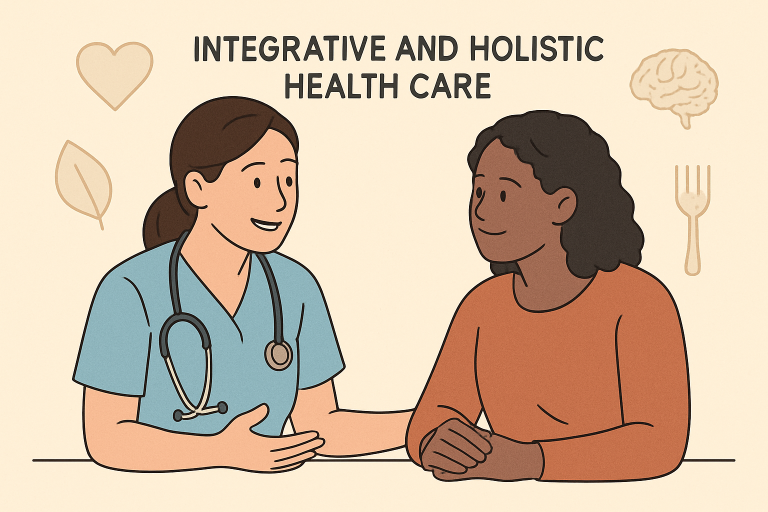
Managing chronic conditions often requires more than standard medical treatment. Many individuals discover improved health outcomes and a better quality of life by exploring integrative health approaches. By blending conventional medicine with practices like nutrition therapy, stress management, and mind-body interventions, patients experience care tailored to their whole person, not just the specific disease. Learn more about how the Center for Functional Medicine professionals help guide patients through comprehensive health journeys.
Chronic diseases frequently demand ongoing management and affect physical, emotional, and even social well-being. Integrative medicine addresses these complexities by uniting the best of traditional medical science with evidence-backed complementary therapies. Patients benefit from a personalized roadmap that targets prevention and healing, giving them increased control over their health and long-term outlook.
Unlike one-size-fits-all solutions, integrative health acknowledges the uniqueness of each person’s health journey. This approach involves detailed assessments of an individual’s symptoms, habits, and environment, ensuring the root causes of chronic illness are explored in depth. As public interest in holistic health grows, integrative care models become central to more hospitals and wellness centers, responding to the demand for safer, more comprehensive care strategies.
Early results from these models are promising. For example, research published by the National Center for Complementary and Integrative Health highlights the benefits of pairing conventional care with complementary modalities, including reduced pain levels and improvements in symptoms of anxiety and depression.
Personalized Care Plans
Integrative health revolves around individualized care. Practitioners work closely with patients to craft customized plans that account for a person’s medical history, lifestyle factors, and preferences. This collaborative process allows for adjustments in real time and fosters a sense of ownership over the healing journey. Personalized plans don’t just treat symptoms—they seek to resolve underlying causes, such as dietary triggers, chronic stress, or sleep imbalances.
Comprehensive Assessment
One of the hallmarks of integrative medicine is a deep and holistic assessment. Instead of focusing only on lab values or physical symptoms, providers take a broader view. They evaluate emotional well-being, environmental exposures, and even spiritual health. The resulting comprehensive understanding informs a multi-layered strategy, maximizing the chances for meaningful change and long-term health improvements.
Stress Reduction Techniques
Chronic stress diminishes quality of life and can worsen conditions such as diabetes, hypertension, and autoimmune disorders. Integrative care addresses this head-on by teaching patients proven techniques like mindfulness, meditation, and biofeedback. Research from the Mayo Clinic underscores the impact of stress reduction on overall health and chronic condition management, making these approaches essential for lasting relief.
Nutritional Interventions
Nutrition is fundamental in preventing and managing chronic diseases. Integrative practitioners often recommend evidence-based dietary plans, such as the Mediterranean or MIND diets, tailoring them to each patient’s condition and goals. These culinary strategies help reduce inflammation, support metabolic health, and bolster the immune system. Meal planning, supplementation, and education about food choices empower patients to make sustainable changes at home and in their day-to-day lives.
Mind-Body Practices
Mind-body methods—such as yoga, tai chi, and guided imagery—bridge the physical and mental aspects of healing. These gentle but powerful practices improve flexibility, strength, and inner calm, especially useful for those with chronic pain or joint issues. Clinical studies published by Harvard Health show measurable improvements in range of motion, mood, and resilience for chronic illness patients participating in regular mind-body sessions.
Evidence-Based Approaches
Effective integrative care depends on rigorous science. By weaving together conventional medical standards and validated complementary treatments—such as acupuncture, cognitive behavioral therapy, or guided relaxation—providers ensure that all aspects of care are grounded in high-quality evidence. This focus on research and results builds trust and provides safe and effective treatments.
Economic Benefits
When integrative health strategies include prevention, lifestyle changes, and early intervention, substantial healthcare savings follow. Patients who stick with comprehensive plans often report fewer hospital visits, reduced medication dependence, and lower out-of-pocket costs. Economic studies confirm that addressing root causes—not just treating symptoms—can help curb rising healthcare expenditures nationwide.
Patient Empowerment
True healing places the patient at the center of care. Integrative health encourages informed decision-making, ongoing education, and active involvement in managing chronic disease. A sense of empowerment boosts adherence to treatment plans and inspires lasting lifestyle changes that enhance both independence and health.
Integrative health approaches deliver a comprehensive, deeply personalized strategy for managing chronic conditions. By aligning traditional medicine with complementary therapies, centering the whole person, and maintaining a commitment to scientific validation, integrative care offers patients hope for a healthier future—physically, emotionally, and financially.