Advancements in Healthcare: From Healing Technologies to Medical Supplies
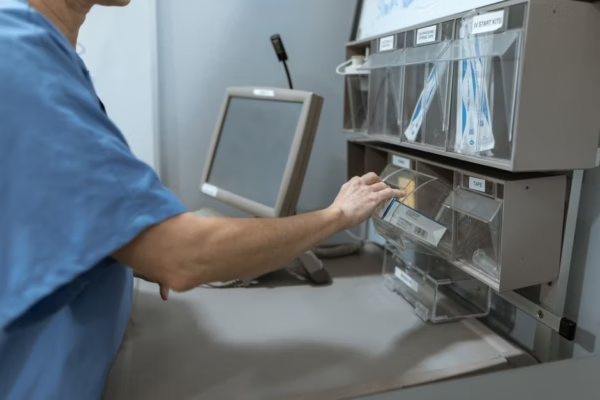
In June 2026, healthcare is changing at an astonishing pace. Groundbreaking medical innovations and supplies are continually reshaping how we approach patient care. These advancements promise better outcomes, improved safety, and greater efficiency across the entire healthcare system.
This article will explore some of the most significant recent breakthroughs. We will delve into everything from advanced clinical devices and novel therapies to innovative healing technologies, such as those that leverage far infrared for Gladiator FIR wound innovations.
We will also examine how cutting-edge technologies like Artificial Intelligence (AI), the Internet of Things (IoT), and blockchain are revolutionizing the medical supply chain. Join us as we uncover how these developments are addressing unmet clinical needs and setting new standards in medicine.

The current landscape of medical technology is characterized by a relentless pursuit of precision, personalization, and prevention. We are witnessing a paradigm shift from reactive treatment to proactive health management, driven by sophisticated devices and innovative supplies. These advancements are not merely incremental improvements; they represent fundamental changes that enhance patient comfort, streamline clinical workflows, and ultimately save lives.
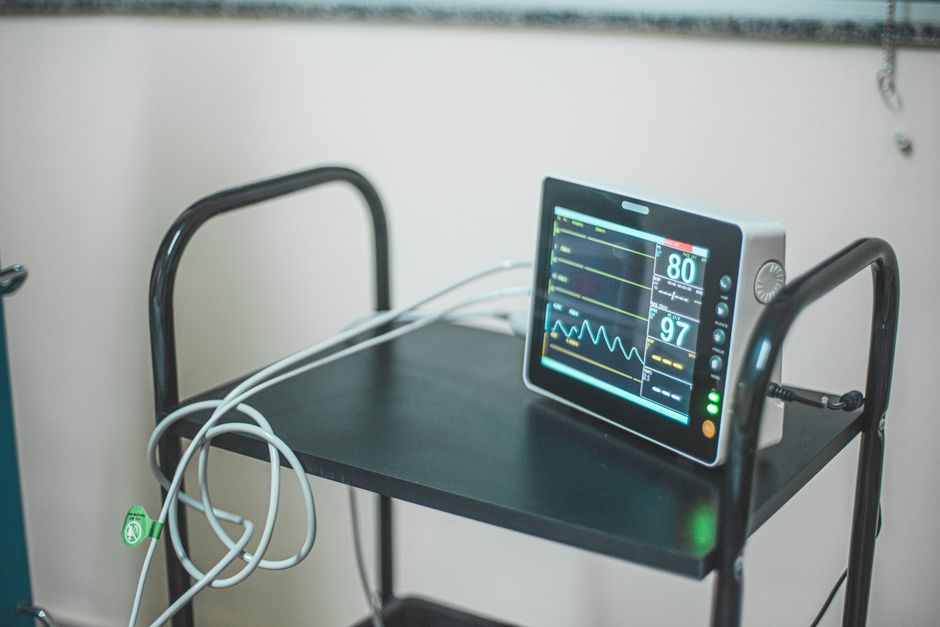
The integration of smart technologies into medical devices is a defining trend. Traditional medical devices, while foundational, often required manual intervention, provided intermittent data, and were limited in their ability to adapt to individual patient needs. Today, next-generation smart medical supplies offer continuous monitoring, data-driven insights, and often, non-invasive application, fundamentally altering the patient experience and clinical efficacy.
One of the most impactful innovations in diabetes management comes in the form of dual glucose-ketone sensing biowearables. Historically, individuals with diabetes, especially those at high risk for diabetic ketoacidosis (DKA), had to rely on separate, often inconvenient, blood or urine tests to monitor ketone levels. DKA is a severe complication where the body produces high levels of blood acids called ketones, which can escalate rapidly and become life-threatening. Statistics reveal the urgency: hospital admissions for DKA have increased approximately 55% over the past decade, accounting for about four times more hospitalizations than hypoglycemia. Furthermore, DKA incidence in adults with Type 1 diabetes more than tripled over 23 years, with a sixfold increase among those with Type 2 diabetes. Alarmingly, only 18% of people with Type 1 diabetes reported having a blood ketone meter at home, and nearly one-third had no ketone testing supplies at all.
This critical gap is now being addressed by technologies like Abbott’s new dual glucose-ketone sensing system. This groundbreaking biowearable, which recently secured CE Mark approval in May 2026, is the world’s first to combine continuous glucose and ketone monitoring in a single sensor. This innovation provides real-time visibility into both glucose levels and ketones, empowering patients and healthcare providers to detect rising ketone levels early, even when glucose levels appear to be within range. This proactive monitoring capability is crucial, as elevated ketones can progress to DKA within hours. The ability to continuously track these vital biomarkers offers a significant leap forward in preventing diabetic emergencies and improving overall metabolic health management. For more details on this pivotal development, see the CE Mark approval for dual-sensing technology.
Advanced Cardiovascular Devices and Surgical Tools
Cardiovascular medicine continues to be a hotbed of innovation, particularly in the realm of surgical devices. We have seen significant strides in bioprosthetic valves and endoscopic surgical tools, enhancing both patient outcomes and surgical precision.
A notable advancement is the Medtronic Mosaic Neo™ mitral bioprosthesis, which received FDA approval and saw rapid adoption across major U.S. hospitals by April 2026. This next-generation mitral valve is designed with surgeon-inspired enhancements, focusing on ease of use in both open-heart and minimally invasive cardiac surgery (MICS) approaches. Key design features, such as reduced left ventricular stent post protrusion and a wide anterior distance between stent posts, aim to improve left ventricular outflow tract (LVOT) clearance, addressing a common challenge in mitral valve replacement. The Mosaic platform has a strong track record, demonstrating industry-leading durability in long-term studies. This innovation is setting new benchmarks for patient lifetime management and surgical flexibility. Further information on its successful implementation can be found in the FDA approval of mitral bioprosthesis announcement.
Complementing these internal devices are advancements in surgical instrumentation, such as the Getinge Vasoview Hemopro 3. Launched in May 2026, this endoscopic vessel harvesting (EVH) system represents a significant step forward in coronary artery bypass grafting (CABG) procedures. EVH is a minimally invasive technique used to obtain saphenous veins or radial arteries for bypass grafts, known for reducing wound complications, postoperative pain, and recovery times compared to traditional open harvesting methods. The Hemopro 3 system incorporates clinician-designed enhancements focused on ergonomics, energy control, and visualization, aiming to improve workflow efficiency and preserve conduit quality. This user-centric design, informed by input from over 100 vessel harvesting specialists, underscores the industry’s commitment to continuous improvement in surgical tools. Details about this launch are available in the vessel harvesting system launch press release.
Navigating Regulatory Approvals for Medical Innovations and Supplies
The journey of a medical innovation from concept to clinical use is rigorously governed by regulatory bodies such as the U.S. Food and Drug Administration (FDA) and the European Union’s CE Mark. These approvals are not mere formalities; they are critical gatekeepers ensuring that new medical devices and supplies meet stringent safety and efficacy standards.
The process typically involves extensive preclinical testing, followed by multi-phase clinical trials to gather robust evidence on performance, safety, and patient outcomes. For instance, the dual glucose-ketone sensor received CE Mark approval, signifying its compliance with European health, safety, and environmental protection standards. Similarly, the Medtronic Mosaic Neo™ mitral bioprosthesis underwent thorough evaluation to secure FDA approval, demonstrating its effectiveness and safety for surgical mitral valve replacement in the U.S. These regulatory milestones are indispensable for building trust among healthcare providers and patients, and for facilitating the widespread adoption of transformative medical products. The depth of clinical evidence and adherence to safety standards are paramount, shaping how quickly and effectively these innovations can reach those who need them most.
Key Considerations for Hospital Procurement and Adoption
For hospitals and healthcare providers, the decision to adopt new medical devices and supply solutions involves a complex interplay of factors beyond just clinical efficacy. Procurement teams must weigh several key considerations to ensure that innovations not only improve patient care but also integrate seamlessly into existing healthcare ecosystems and deliver long-term value.
Cost-effectiveness is a primary driver. While new technologies often come with a higher upfront cost, their potential to reduce hospital stays, minimize complications, or improve diagnostic accuracy can lead to significant savings over time. A thorough cost-benefit analysis, considering both direct and indirect costs, is essential.
System integration is another critical aspect. New devices must be compatible with existing electronic health records (EHR) systems, imaging platforms, and other hospital infrastructure to avoid creating data silos or workflow bottlenecks. Seamless integration ensures that the benefits of the technology are fully realized and that clinicians have access to comprehensive patient information.
Staff training is crucial for successful implementation. Even the most advanced device is only as effective as the clinicians operating it. Hospitals must invest in comprehensive training programs to ensure that medical staff are proficient in using new equipment, understand its capabilities, and can troubleshoot effectively. This not only optimizes device performance but also enhances patient safety.
Patient safety remains the paramount consideration. Before adoption, hospitals must meticulously evaluate the safety profile of any new device or supply, considering potential risks, adverse events, and long-term implications. This includes reviewing clinical trial data, post-market surveillance, and manufacturer support. The goal is to select solutions that offer the best possible outcomes for patients while upholding the highest standards of care.
Addressing Unmet Clinical Needs with Targeted Therapies
The healthcare industry is constantly striving to fill critical gaps in treatment, particularly in areas where existing therapies are insufficient or where new threats emerge. Recent medical innovations are providing targeted solutions for some of the most pressing clinical needs, from combating antibiotic resistance to preventing infectious diseases and revolutionizing wound care.
Novel Pharmaceuticals and Antibiotic Medical Innovations and Supplies
Antimicrobial resistance (AMR) remains a global health crisis, with more than 2.8 million antimicrobial-resistant infections occurring annually in the U.S., resulting in over 35,000 deaths. This alarming trend necessitates the continuous development of novel antibiotics. A significant breakthrough in this area is the U.S. FDA approval of ZAYNICH™ (cefepime and zidebactam) in March 2026. This novel intravenous antibiotic, developed by Wockhardt, offers a new lifeline for adult patients battling complicated urinary tract infections (cUTI), including pyelonephritis, caused by resistant Gram-negative bacteria. cUTI is a substantial burden, responsible for over 600,000 hospitalizations in the U.S. annually. ZAYNICH’s unique mechanism, targeting multiple penicillin-binding proteins, allows it to combat multidrug-resistant pathogens, even those expressing difficult-to-treat resistance mechanisms. This approval represents a historic milestone, providing clinicians with a powerful new tool against aggressive, drug-resistant infections. Further details are available in the FDA approved novel intravenous antibiotic announcement.
In the realm of infectious disease prevention, the ongoing impact of COVID-19 continues to drive innovation. Between October 2025 and May 2026, the U.S. alone saw an estimated 3.8-12.4 million new cases, leading to substantial outpatient visits, hospitalizations, and deaths. Addressing the need for proactive measures, Shionogi announced the FDA approval of XOCOVA® (ensitrelvir) in June 2026. This marks a pivotal moment as XOCOVA becomes the first and only oral option specifically approved to help prevent COVID-19 following exposure. The Phase 3 SCORPIO-PEP study demonstrated a 67% reduction in the risk of symptomatic COVID-19, offering a crucial layer of protection for individuals, regardless of their vaccination status or prior infection history. This post-exposure prophylaxis (PEP) strategy could be invaluable in various settings, from households to long-term care facilities, significantly mitigating transmission. Read more about this preventive breakthrough in the oral post-exposure prophylaxis press release.
Non-Invasive Healing and Pain Management Technologies
Beyond pharmaceuticals and advanced surgical tools, we are also seeing exciting developments in non-invasive healing and pain management. Technologies that harness natural physiological processes are gaining prominence for their ability to promote recovery and alleviate discomfort without the need for drugs or invasive procedures.
One such area is the application of far infrared therapy. This innovative approach utilizes specific wavelengths of light to penetrate tissues, promoting cellular regeneration and improving circulation. Unlike traditional heating pads, far infrared therapy delivers gentle, penetrating warmth that can enhance the body’s natural healing mechanisms at a cellular level. For instance, in wound care, improved blood flow can accelerate the delivery of oxygen and nutrients to damaged tissues, facilitating faster and more effective repair. This non-invasive method is gaining recognition for its potential to improve wound healing and offer significant relief for chronic pain management, providing a promising alternative or complement to conventional treatments. The principles behind such innovative healing technologies are rapidly advancing, offering new avenues for patient care.
Enhancing Supply Chain Efficiency and Traceability
The medical supply chain is a complex, global network vital for delivering critical products to patients. Its efficiency and resilience are paramount, especially in light of recent global disruptions. Innovations in technology are now playing a transformative role in optimizing every stage, from manufacturing to delivery.
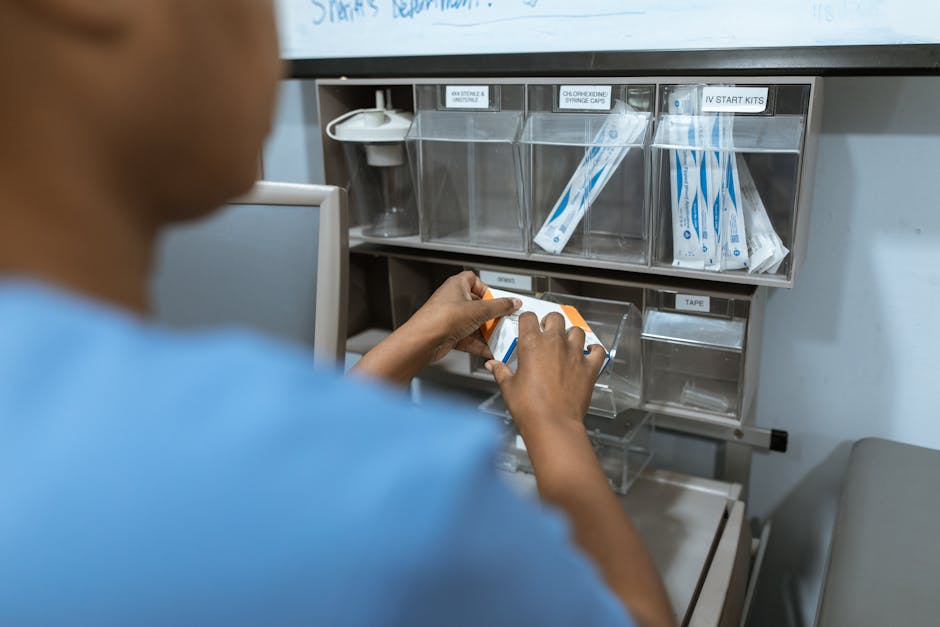
Hospitals and providers rely on a robust supply chain to ensure they have the necessary equipment and medicines at all times. Exploring comprehensive solutions for managing inventory and procurement, such as those offered by Strive’s latest medical supplies, can provide valuable insights into optimizing these crucial operations.
The Role of AI, IoT, and Blockchain in Logistics
Advanced technologies are revolutionizing medical supply chain management by addressing challenges related to visibility, demand forecasting, and product integrity.
Artificial Intelligence (AI) and Machine Learning (ML) are at the forefront of streamlining inventory management and demand forecasting. By analyzing vast datasets, AI algorithms can predict demand patterns with remarkable accuracy, accounting for factors like seasonal illnesses, public health crises, and regional variations. This allows healthcare providers to maintain optimal stock levels, reducing waste from overstocking and preventing shortages during peak demand. Predictive analytics help ensure that critical supplies are available precisely when and where they are needed, enhancing patient care continuity.
The Internet of Things (IoT) provides real-time tracking and monitoring capabilities that were previously unimaginable. IoT devices, such as smart sensors and RFID tags, can be embedded in medical supplies and equipment, providing continuous data on their location, temperature, and other environmental conditions. This is particularly crucial for sensitive pharmaceuticals and biologics that require strict storage conditions. Real-time monitoring allows for immediate alerts if conditions deviate, preventing spoilage and ensuring product efficacy. GPS tracking further enhances the timely delivery of time-sensitive medical supplies, even allowing for dynamic rerouting in case of unforeseen delays.
Blockchain technology is emerging as a powerful tool for enhancing transparency and security throughout the supply chain. By creating an immutable, distributed ledger, blockchain can record every transaction and movement of a medical product from its origin at the manufacturer to its final destination at the patient. This creates an unalterable audit trail that can verify product authenticity, prevent counterfeiting, and significantly improve traceability during recalls. Such a system fosters greater trust among all stakeholders and helps meet stringent regulatory requirements, like those outlined in the Drug Supply Chain Security Act (DSCSA).
These technologies collectively enable a more agile, responsive, and secure medical supply chain, capable of adapting to complex demands and mitigating risks.
Sustainable Sourcing and Ethical Supply Chains
Beyond efficiency and traceability, the medical supply chain is increasingly focused on sustainability and ethical practices. Healthcare organizations and their partners recognize their responsibility to minimize environmental impact and ensure fair labor practices throughout their operations.
Reducing the carbon footprint is a key objective. This involves initiatives such as optimizing transportation routes, utilizing energy-efficient logistics, and exploring renewable energy sources for manufacturing and distribution facilities. The adoption of biodegradable and recyclable packaging for medical supplies is also gaining traction, aiming to reduce plastic waste and landfill burden.
Ethical sourcing ensures that products are manufactured under fair labor conditions and that raw materials are obtained responsibly. This often involves conducting rigorous supplier audits to verify compliance with labor laws, human rights standards, and environmental regulations. Companies are increasingly holding their suppliers accountable, demanding transparency and adherence to ethical guidelines.
By integrating sustainability and ethical considerations into supply chain management, healthcare providers are not only contributing to a healthier planet but also enhancing their brand reputation and building stronger, more resilient supply networks. These practices reflect a broader commitment to corporate social responsibility within the medical industry.
Frequently Asked Questions
As medical innovations continue to advance, many questions arise regarding their practical applications and benefits. Here, we address some common inquiries about new healthcare technologies.
How do dual glucose-ketone sensors prevent diabetic emergencies?
Dual glucose-ketone sensors, such as the newly CE Mark approved biowearables, prevent diabetic emergencies by providing continuous, real-time monitoring of both glucose and ketone levels in the body. Diabetic ketoacidosis (DKA) can develop rapidly, often within hours, and can be life-threatening. Traditional methods of ketone testing (blood or urine strips) are often intermittent and reactive. By continuously tracking ketones alongside glucose, these sensors enable early detection of rising ketone levels, even if glucose levels appear normal. This allows individuals with diabetes and their healthcare providers to intervene quickly, for example, by adjusting insulin dosages or seeking medical attention, preventing the progression to DKA and significantly reducing the risk of hospitalization.
What role does blockchain play in the medical supply chain?
Blockchain technology plays a crucial role in enhancing the security, transparency, and traceability of the medical supply chain. It creates an immutable, decentralized ledger that records every transaction and movement of a product. This means that from the moment a medical device or pharmaceutical is manufactured to when it reaches the patient, every step is documented and verifiable. This capability is vital for:
- Counterfeit Prevention: By authenticating products at every stage, blockchain makes it extremely difficult for counterfeit goods to enter the supply chain.
- Improved Traceability: In the event of a product recall, blockchain allows for rapid and precise identification of affected batches and their distribution, minimizing risks to patients.
- Enhanced Trust: The transparency and security of blockchain foster greater trust among manufacturers, distributors, healthcare providers, and patients, ensuring product integrity and compliance with regulatory standards.
Why is far infrared therapy considered a breakthrough in wound care?
Far infrared therapy is considered a breakthrough in wound care due to its non-invasive nature and its ability to stimulate the body’s natural healing processes. Unlike conventional heating methods, far infrared light penetrates deeper into tissues, promoting increased blood circulation and cellular activity without overheating the skin. This enhanced circulation delivers more oxygen and essential nutrients to the wound site, which is critical for tissue repair and regeneration. Additionally, far infrared therapy can reduce inflammation and alleviate pain, contributing to a more comfortable healing experience. Its ability to support the body’s intrinsic healing mechanisms makes it a promising adjunctive therapy for chronic and acute wounds, offering a gentle yet effective approach to accelerate recovery and improve patient outcomes.
Conclusion
The current wave of medical innovations and supplies is undeniably transforming healthcare. From advanced biowearables that proactively manage chronic conditions like diabetes to novel pharmaceuticals combating resistant infections and cutting-edge surgical tools enhancing precision, the landscape of patient care is evolving at an unprecedented pace. These breakthroughs, coupled with the strategic integration of technologies like AI, IoT, and blockchain into the medical supply chain, are fostering a future where healthcare is more efficient, transparent, and resilient.
As we look ahead from June 2026, the commitment to addressing unmet clinical needs, improving patient outcomes, and ensuring the ethical and sustainable delivery of care remains paramount. The continuous pursuit of innovation by researchers, developers, and healthcare providers promises an even brighter future for global health, where advanced technologies and thoughtful solutions converge to empower both patients and practitioners.